
Key Highlights
- Incident:An airstrike in Kabul's drug rehabilitation center resulted in over 100 fatalities.
- Victims:Many of the deceased were patients in recovery, highlighting their vulnerability.
- Investigation:International organizations demand accountability and thorough investigation into the strike.
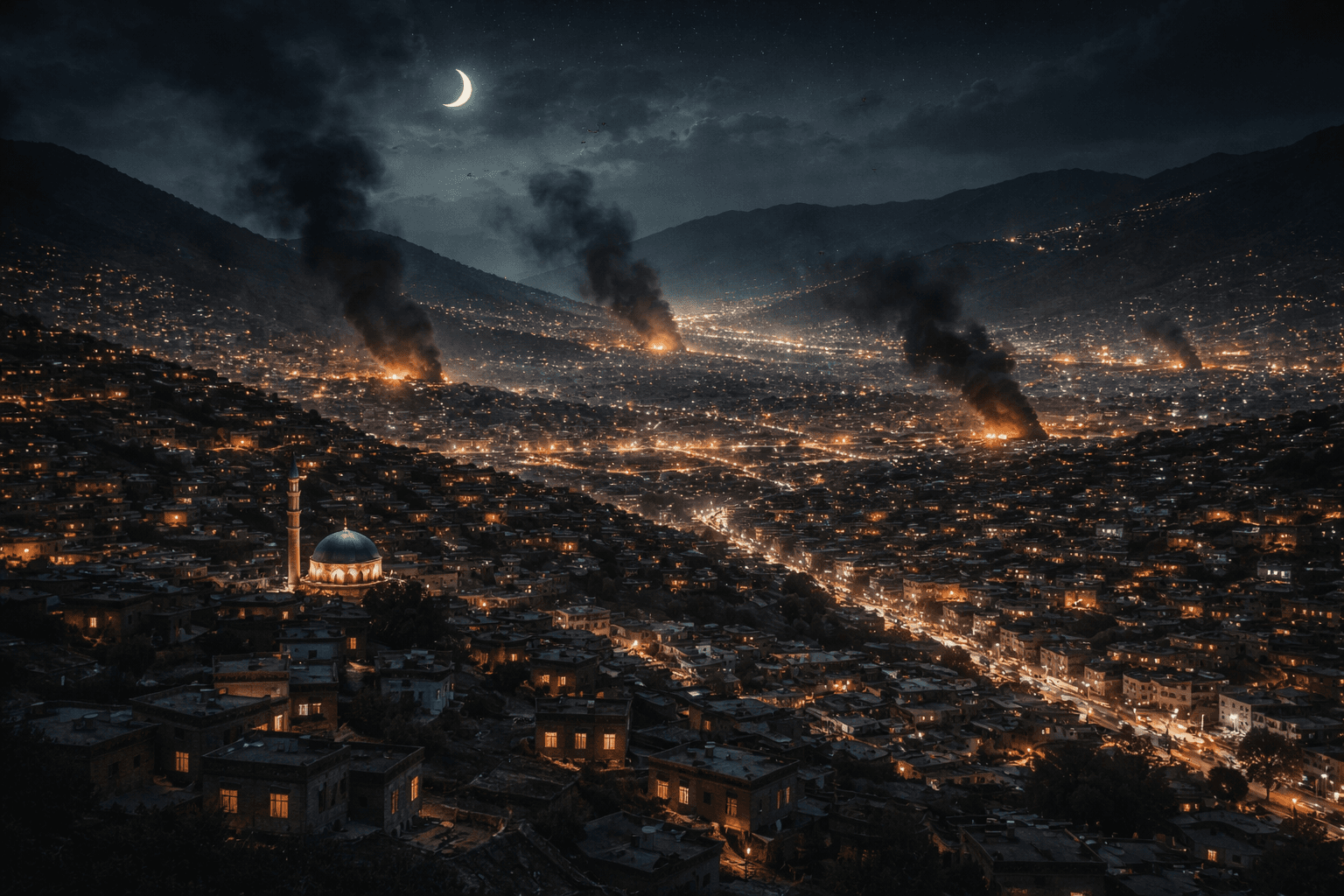
The recent airstrike in Kabul, attributed to Pakistan, has tragically claimed the lives of over 100 individuals at a drug rehabilitation center. This facility, which served as a sanctuary for those battling addiction, has now become the site of immense sorrow and loss. The attack has drawn international condemnation and raised critical questions about the safety of civilian spaces in conflict zones.
Reports indicate that the airstrike occurred in a densely populated area, where military objectives and civilian infrastructure often coexist. The nature of the site—a rehabilitation center—has intensified the outrage, as it underscores the vulnerability of those seeking recovery from addiction. Many victims were reportedly patients undergoing treatment, making the incident even more heartbreaking.
Details surrounding the airstrike remain murky, with officials investigating whether the center was misidentified or mistakenly targeted as part of a broader military operation. The complexities of urban warfare often blur the lines between combatants and non-combatants, leading to tragic outcomes such as this. As the situation unfolds, the need for clarity and accountability has become paramount.
International humanitarian organizations have called for a comprehensive investigation into the circumstances of the strike. They emphasize the importance of adhering to protocols that protect civilians during military operations. The incident has reignited discussions about the challenges of conducting military actions in populated areas, where the risk to innocent lives is significantly heightened.
For Kabul, a city that has faced decades of conflict and instability, this latest tragedy adds another layer to its already complex history. Each incident not only alters the physical landscape but also impacts the collective memory and psyche of its residents. The emotional toll on families and communities affected by such violence is profound and long-lasting.
As authorities continue to assess the situation, the international community is watching closely. Calls for accountability and a reassessment of military engagement strategies in civilian areas are expected to dominate discussions in the coming days. The implications of this tragic event will likely resonate far beyond Kabul, highlighting the urgent need for a renewed focus on civilian protection in conflict zones.
The airstrike serves as a stark reminder of the human cost of war, where the most vulnerable often bear the brunt of geopolitical conflicts. As the investigation progresses, the hope remains that lessons will be learned to prevent such tragedies in the future.
Published by Banx Network. This article is part of the Banx decentralized media programme, powered by the BXE token on the XRP Ledger.



