Key Highlights
- Recent market fluctuations reflect investor reactions to political signals.
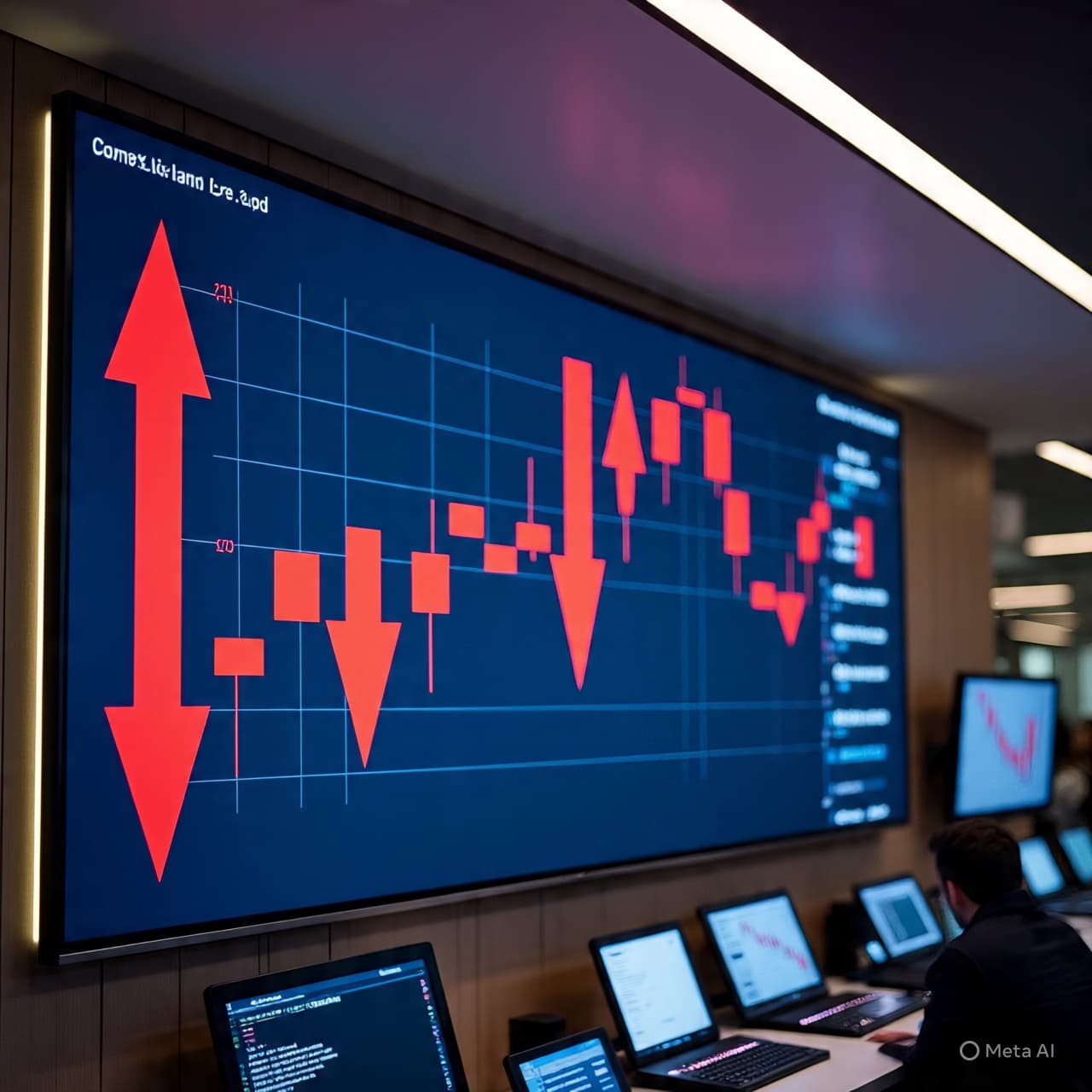
- Wall Street experienced notable declines amid tariff threats and geopolitical tensions.
- The Cboe Volatility Index rose, indicating increased market unease.
In the intricate world of finance, markets often reflect a subtle poetry — a complex interplay of expectation, confidence, and uncertainty. Recent events have underscored this dynamic, particularly as global investors reacted to renewed warnings from President Donald Trump. These reactions have prompted significant movements in stock prices, raising questions about how markets interpret the signals they receive.
In early 2026, Wall Street and other major markets faced a notable retreat as investors processed a series of tariff threats and geopolitical tensions linked to Trump's renewed policy objectives, including his controversial ambitions regarding Greenland. This backdrop of uncertainty saw key indexes such as the S&P 500 slide, the Nasdaq decline sharply, and the Dow Jones Industrial Average register meaningful losses, indicating a collective pause among traders and fund managers.
The relationship between policy and pricing unfolds daily in a kind of wordless conversation. When this dialogue shifts — particularly towards ambiguity — the market's response can resonate widely. In this instance, investors sought refuge in traditional “haven” assets, leading to their rise even as equities fell. The Cboe Volatility Index, a widely monitored gauge of trader unease, climbed, reflecting a growing perception of risk.
These market movements are not isolated incidents. European markets also felt the weight of uncertainty, with exchanges like Germany’s DAX and France’s CAC 40 experiencing downward pressure amid a broader global retreat. This suggests that caution has transcended domestic trading floors, becoming part of a larger narrative about economic relationships and international policy dynamics.
Wall Street's reaction illustrates the delicate balance of investor sentiment. In calmer moments, markets have shown resilience, but the prospect of heightened economic friction — whether through tariffs or geopolitical standoffs — serves as a reminder of how quickly the landscape can shift. Subtle shifts in bond yields, currency movements, and commodity prices all reflect this broader dance between confidence and caution.
For many economic observers, these market retreats are not seen as signs of impending collapse but rather as reminders that markets are living reflections of collective expectations. When traders face ambiguity in policy direction or geopolitical stability, their willingness to hold risk assets diminishes, and the ebb and flow of capital narrates its own story about perceived future conditions.
Financial analysts note that this recent episode highlights the sensitivity of markets to political signals, especially those involving trade policy and international relations. While unpredictability can spur volatility, it also fosters dialogue between policymakers and market participants about pathways to stability and growth. Investors and advisors continue to monitor developments closely as the year progresses, balancing long-term strategies with the rhythms of short-term sentiment.
Published by Banx Network. This article is part of the Banx decentralized media programme, powered by the BXE token on the XRP Ledger.