
Key Highlights
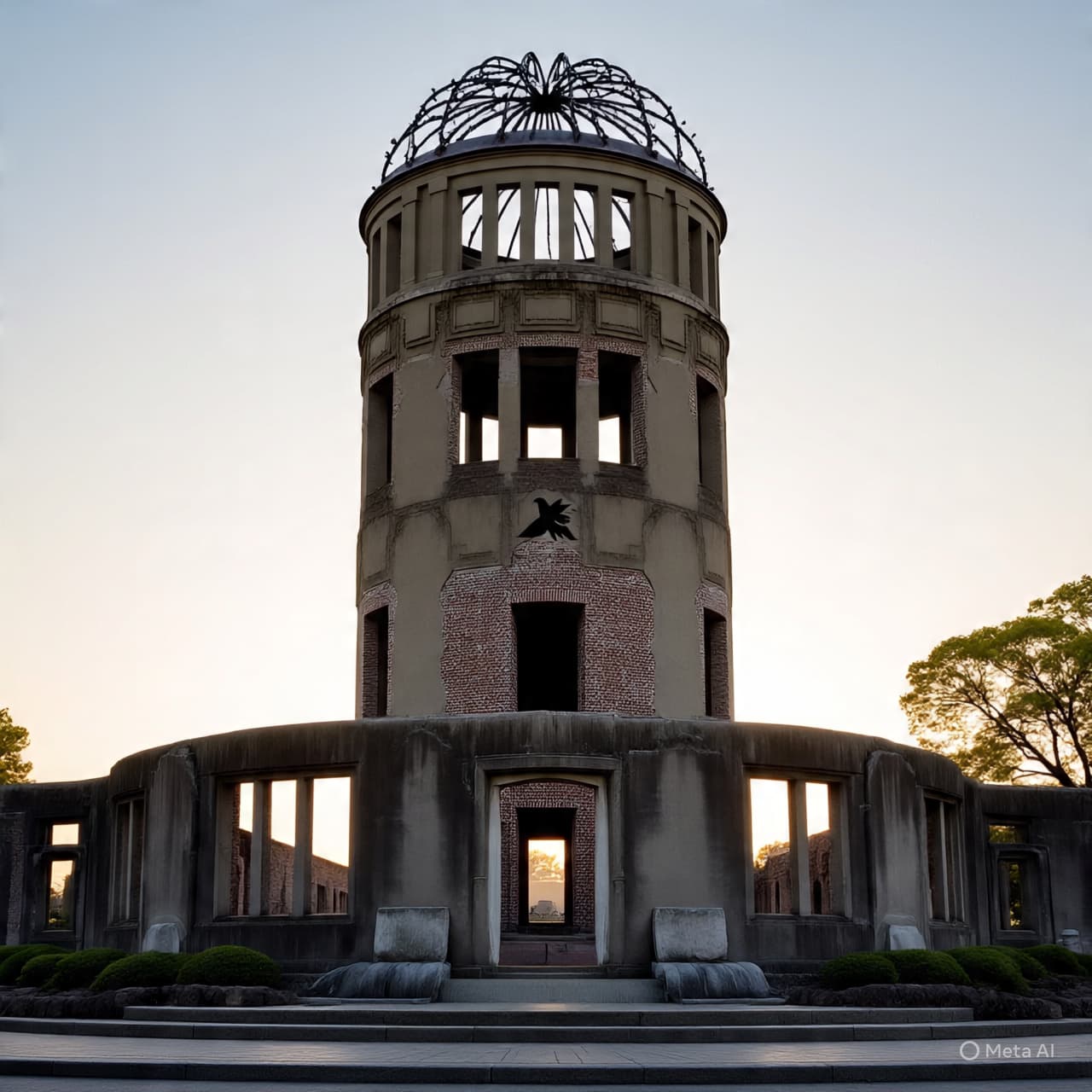
- Historical Context:The atomic bombing of Hiroshima remains a pivotal moment in Japan's collective memory.
- Recent Remarks:Donald Trump's comments on military action against Iran have reignited discussions about Japan's past.
- Public Sentiment:The Japanese public reacts cautiously to political rhetoric that touches on historical trauma.
Japan's historical narrative is deeply intertwined with its present-day geopolitical stance, particularly in light of the atomic bombing of Hiroshima 80 years ago. This event not only marked a significant turning point in world history but also left an indelible mark on Japan's national consciousness. The memories of loss and resilience continue to shape how Japan engages with global issues, especially those involving nuclear discourse.
Recently, former President Donald Trump made remarks invoking Japan in the context of potential military action against Iran. While intended as a light-hearted quip, these comments struck a nerve in a nation still grappling with the legacy of its wartime past. For many Japanese citizens, references to Pearl Harbor and nuclear devastation are not distant historical events but personal narratives that resonate deeply. This juxtaposition of historical memory with contemporary geopolitical discussions has sparked renewed debates about the responsibilities of leaders and the sensitivity required in political discourse.
Japanese leaders and scholars have responded to Trump's comments with a blend of caution and introspection. Official diplomatic channels have maintained a measured tone, yet the public discourse has been invigorated. The mention of Hiroshima serves as a reminder that the past is not merely a backdrop but a lens through which Japan views current global tensions. The nation’s historical experiences inform its responses to crises, particularly those involving nuclear threats.
The incident also underscores the complex relationship between political rhetoric and international perception. Words that may seem innocuous in one context can carry significant weight when they intersect with the memories of those who have experienced trauma. Japan's historical narrative acts as both a silent observer and a moral compass, prompting reflection on how nations communicate and reconcile with their pasts while navigating present conflicts.
As the world watches the unfolding tensions between the U.S. and Iran, Japan remains acutely aware of its unique position. The nation, shaped by the horrors of nuclear warfare, is committed to ensuring that the lessons of Hiroshima continue to guide its diplomatic efforts. This careful navigation reflects a delicate balance: honoring the memory of those lost, advocating for peace, and engaging in the intricate dance of global geopolitics.
In summary, the recent remarks by Trump highlight how historical memory can resurface in unexpected ways, influencing national responses and international perceptions. Japan continues to engage with the world thoughtfully, respecting its past while keeping a vigilant eye on current events, ensuring that the lessons of Hiroshima remain a guiding force in its approach to modern crises.
Published by Banx Network. This article is part of the Banx decentralized media programme, powered by the BXE token on the XRP Ledger.



