The Egyptian desert is a landscape defined by its aridity and stillness, a place where the sun beats down on endless dunes and rocky plateaus. It seems an unlikely repository for secrets of the ocean, yet beneath the sand lies evidence of a time when this region was submerged under ancient seas. Recent discoveries of fossilized shark teeth and skeletons have emerged from the dry earth, offering a tangible link to a prehistoric past. These remnants serve as a powerful reminder that the boundaries between land and sea are fluid, shifting over millions of years.
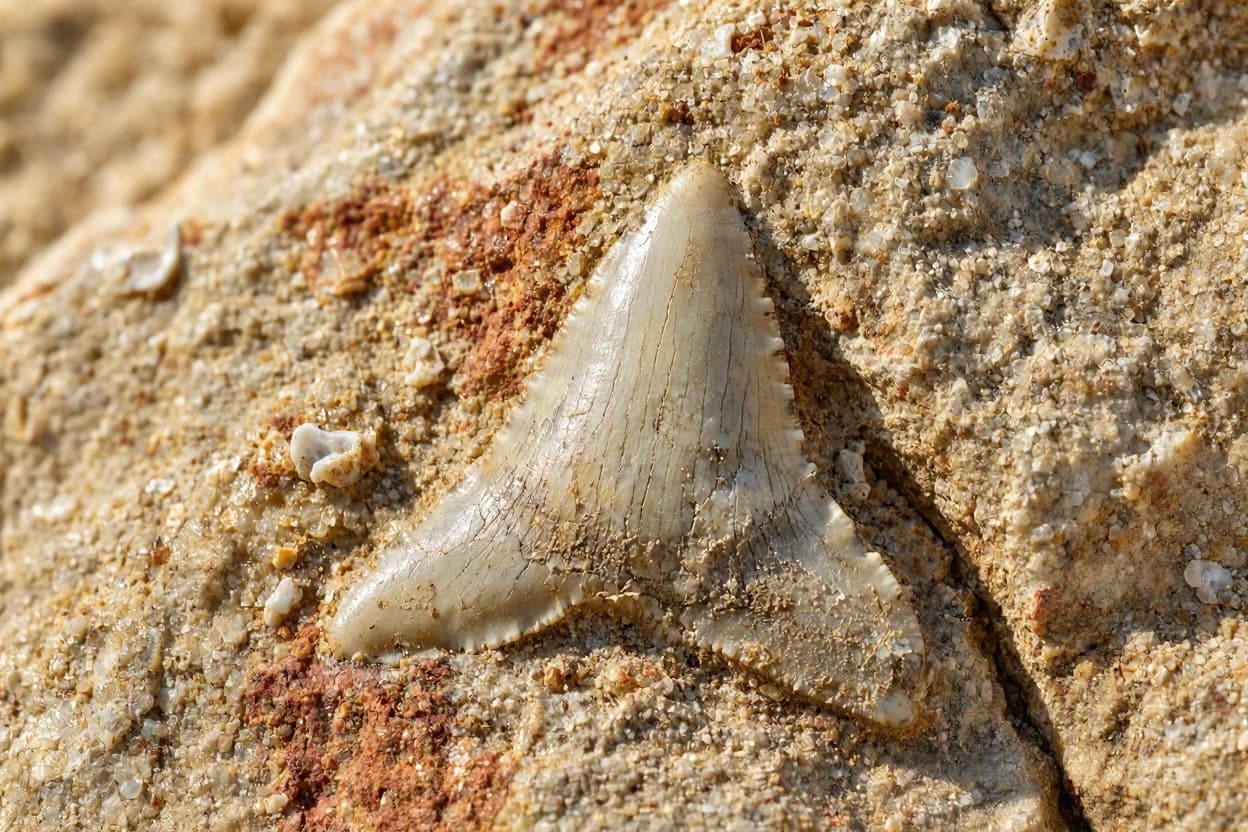
Paleontologists working in the Western Desert of Egypt have uncovered a rich deposit of fossils belonging to ancient sharks. Among the findings are teeth from species that roamed the waters roughly 40 million years ago, during the Eocene epoch. At that time, much of North Africa was covered by a shallow tropical sea, teeming with marine life. The preservation of these fossils is remarkable, allowing scientists to identify specific species and understand their role in the ancient ecosystem.
The discovery includes teeth from mackerel sharks and other predatory species, indicating a diverse and vibrant marine food web. These sharks were apex predators, playing a crucial role in maintaining the balance of their environment. Finding their remains in such a desolate location today underscores the dramatic geological changes that have shaped the planet. It is a testament to the power of tectonic movements and climate shifts.
For researchers, these fossils are more than just curiosities; they are data points in the story of Earth’s history. By studying the size and shape of the teeth, scientists can infer the diet and behavior of these ancient creatures. They can also track how shark populations evolved in response to changing ocean conditions, providing insights into how modern sharks might adapt to current environmental challenges.
The excavation process is delicate and labor-intensive. Each tooth must be carefully extracted from the surrounding rock to avoid damage. The team works under harsh conditions, battling heat and wind, driven by the thrill of discovery. Every find adds to the growing collection of knowledge about prehistoric marine life in the region.
This discovery also highlights the importance of preserving paleontological sites. The desert, while seemingly barren, is a treasure trove of scientific information. Protecting these areas from looting and environmental degradation ensures that future generations can continue to learn from the past. It requires cooperation between scientists, local communities, and government authorities.
The public reaction has been one of fascination. The idea of sharks swimming where camels now walk captures the imagination, bridging the gap between deep time and the present. It encourages a broader appreciation for geology and natural history, showing that the Earth is constantly changing.
As more fossils are analyzed, the picture of the Eocene sea becomes clearer. These ancient sharks were part of a complex world that no longer exists, yet their legacy remains buried in the sand, waiting to be found.
The ancient shark fossils found in the Egyptian desert are a poignant reminder of our planet’s dynamic history. They invite us to look beneath the surface of the present and imagine the worlds that came before, hidden in plain sight.
AI Image Disclaimer: The visual materials associated with this article are AI-generated and serve as illustrative aids rather than factual documentation.
Sources: National Geographic Science Daily Journal of Vertebrate Paleontology BBC News
Published by Banx Network. This article is part of the Banx decentralized media programme, powered by the BXE token on the XRP Ledger.