In the quiet corridors of grief, where silence often speaks louder than words, a family’s plea for justice echoes through the rugged landscapes of Sinaloa. The loss of a young engineer, whose life was cut short amidst the chaos of cartel violence, is not merely a statistic but a profound human tragedy that ripples through communities far beyond the borders of Mexico. It is a story of mistaken identity, of lives entangled in a web of geopolitical and criminal interests, and of the enduring hope for accountability in the face of overwhelming odds.
The engineer, a man of promise and dedication, found himself caught in the crossfire of a kidnapping operation targeting employees of a Canadian mining firm. His family, now grappling with the void left by his absence, seeks to link his death to the broader narrative of the abducted workers. This connection is not just about legal proceedings; it is about restoring dignity to a life lost and ensuring that the shadows of impunity do not swallow the truth whole. The pain is palpable, a heavy cloak worn by those who loved him, who now navigate the labyrinth of international investigations and local unrest.
As the search for the missing miners unfolded, the discovery of their bodies brought a grim closure to one chapter while opening another filled with questions. The engineer’s death, initially shrouded in confusion, has become a focal point for his relatives who believe his fate is intertwined with the larger conspiracy. They argue that the violence was not random but part of a calculated move by criminal organizations seeking leverage or retribution. This perspective adds a layer of complexity to an already volatile situation, highlighting the precarious nature of foreign investment in regions plagued by instability.
The Canadian mining company, Vizsla Silver Corp., has faced intense scrutiny as it navigates the aftermath of these abductions. The safety of its employees became a paramount concern, leading to heightened security measures and a reevaluation of operational risks. Yet, for the families involved, corporate statements offer little comfort. They seek tangible answers, a clear chain of events that explains why their loved ones were targeted and why the engineer, who may have been an unintended victim, paid the ultimate price. Their quest is for transparency in a system often obscured by fear and corruption.
Mexico’s response to the crisis has been multifaceted, involving military deployments and federal investigations. However, the effectiveness of these measures is frequently questioned by those on the ground who live under the constant threat of violence. The presence of troops may provide a temporary sense of security, but it does not address the root causes of the conflict. For the engineer’s family, the government’s actions must translate into real justice, not just performative gestures. They want assurances that such tragedies will not be repeated, that the rule of law will prevail over the rule of force.
The international dimension of this case cannot be overlooked. With Canadian citizens involved, diplomatic channels have been activated, adding pressure on Mexican authorities to resolve the matter swiftly. Yet, diplomacy often moves at a pace that feels agonizingly slow to those waiting for news. The family’s desire to link the engineer’s killing to the kidnapping case is a strategic move to keep the spotlight on the issue, to ensure that his death is not forgotten in the shuffle of broader geopolitical concerns. It is a plea for recognition, for his life to matter in the grand scheme of things.
As the investigation continues, the family remains steadfast in their pursuit of truth. They are not alone in their grief; they are supported by a community that understands the fragility of life in these turbulent times. Their story is a reminder of the human cost of resource extraction in unstable regions, of the lives that hang in the balance as corporations and governments navigate complex political landscapes. It is a call for empathy, for a deeper understanding of the consequences of our global interconnectedness.
In the end, the family’s request is simple yet profound: they want justice for their son, brother, and friend. They want his death to be acknowledged as part of the larger tragedy, not as an isolated incident. As the world watches, their resilience stands as a testament to the enduring power of love and the unyielding demand for accountability. In the face of such loss, their voice remains a beacon of hope, guiding the way toward a future where such injustices are no longer tolerated.
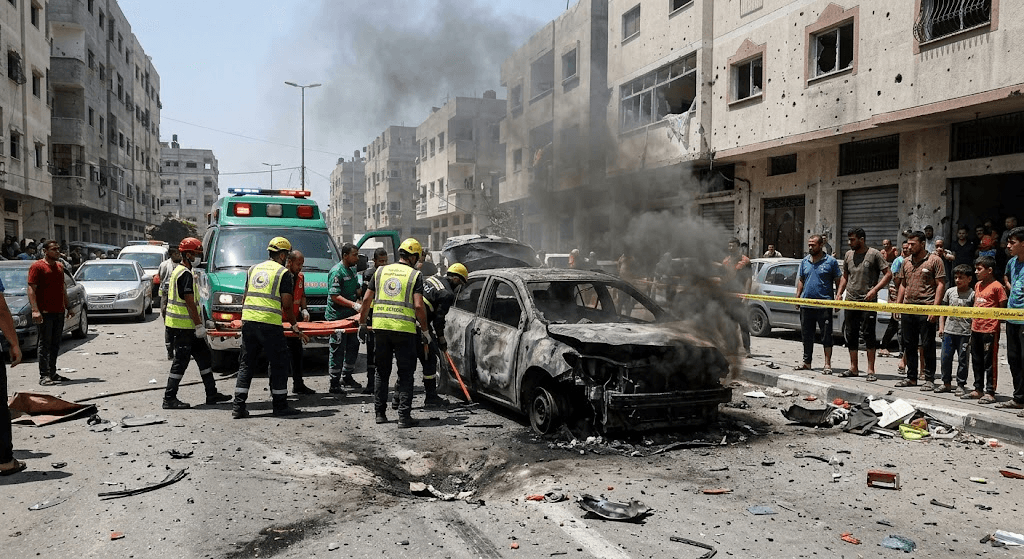
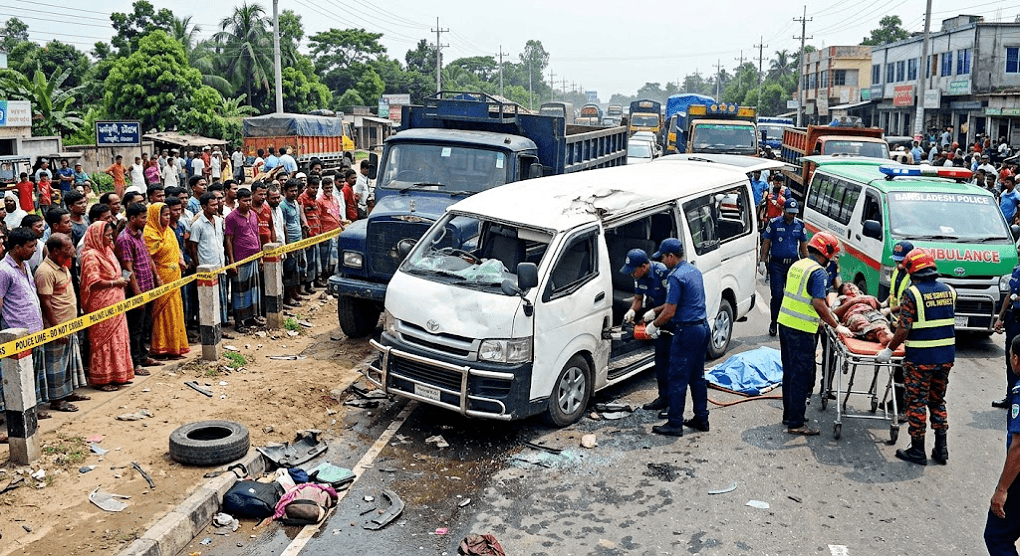
Note: The accompanying images for this article are AI-generated visualizations intended to evoke the emotional tone of the narrative.
Sources: CBC News, Global News, CBS News, Reuters, Border Report
Published by Banx Network. This article is part of the Banx decentralized media programme, powered by the BXE token on the XRP Ledger.