In the long corridor of East Asian history, few relationships have carried such layered weight as that between China and North Korea. Once bound by war and ideology, later tempered by distance and pragmatism, their partnership has now found fresh expression — a return to coordination, trust, and strategic calculation.
Messages exchanged between Beijing and Pyongyang spoke of deepened friendship and renewed understanding. Chinese President Xi Jinping and North Korean leader Kim Jong Un reaffirmed their nations’ intention to strengthen communication, cooperation, and alignment in global and regional matters. Their words, written in the familiar cadence of diplomacy, carried an undercurrent of purpose: to stand close, perhaps closer than before, amid an increasingly divided world.
Analysts view this as both symbolic and practical. For Beijing, a stable and cooperative North Korea ensures security along its borders and maintains influence in a volatile region. For Pyongyang, the embrace of China provides legitimacy and a buffer — politically, economically, and strategically — as isolation tightens from elsewhere.
Their renewed alliance, spoken softly but staged deliberately, reminds observers that history often loops in circles. Between parades and private cables, the two neighbors signal continuity — a partnership meant not for headlines but for endurance.
China and North Korea have pledged to deepen their strategic alliance through closer coordination, expanded diplomatic communication, and mutual support across defense, economic, and health sectors. Both sides reaffirmed their commitment to maintain stability and strengthen cooperation at all levels.
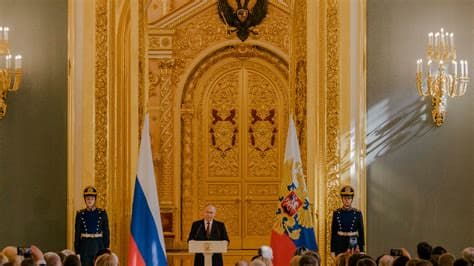
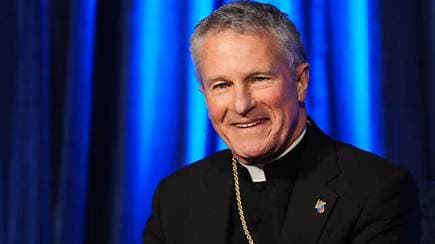
Visual Disclaimer: Images in this article are AI-generated illustrations, meant for concept only.
Sources: Reuters KCNA Yonhap
Published by Banx Network. This article is part of the Banx decentralized media programme, powered by the BXE token on the XRP Ledger.