
Key Highlights
- Death Toll:Recent floods in Afghanistan have claimed 22 lives and injured 32 others.
- Rescue Efforts:Over 100 individuals were airlifted to safety amid rising waters.
- Infrastructure Damage:Roads and homes have been severely affected, complicating recovery efforts.
In the early hours across Afghanistan’s rugged landscapes, the skies opened with a sudden, unrelenting force — as if nature itself exhaled with all its strength. In villages and towns where dust often settles more than rain, the torrents this week have brought not just water but heartbreak. Families awakened to the sound of crashing roofs; neighbors struggling through swollen waterways to reach one another. It is a scene both elemental and deeply human, where the power of the weather meets the resilience of people.
Afghan authorities reported that, over the past 24 hours, extreme weather has claimed the lives of 22 people, with 32 others injured amidst a swirl of rain, flooding, and collapsing structures. Many of those killed were in the eastern areas around Jalalabad, where torrential rainfall caused roofs to give way in the night. The Afghanistan National Disaster Authority has indicated that these figures could rise further, as weather patterns remain unstable and more rain is forecast.
Storms sweeping across the nation in recent weeks have triggered landslides, flash floods, and lightning strikes, leaving devastation in their wake. These events come on top of an already challenging season of heavy snowfall and flooding that has contributed to an increasingly precarious situation across Afghanistan’s provinces. The impact of these storms is felt not only in the immediate aftermath but also in the long-term recovery efforts that many communities are still grappling with.
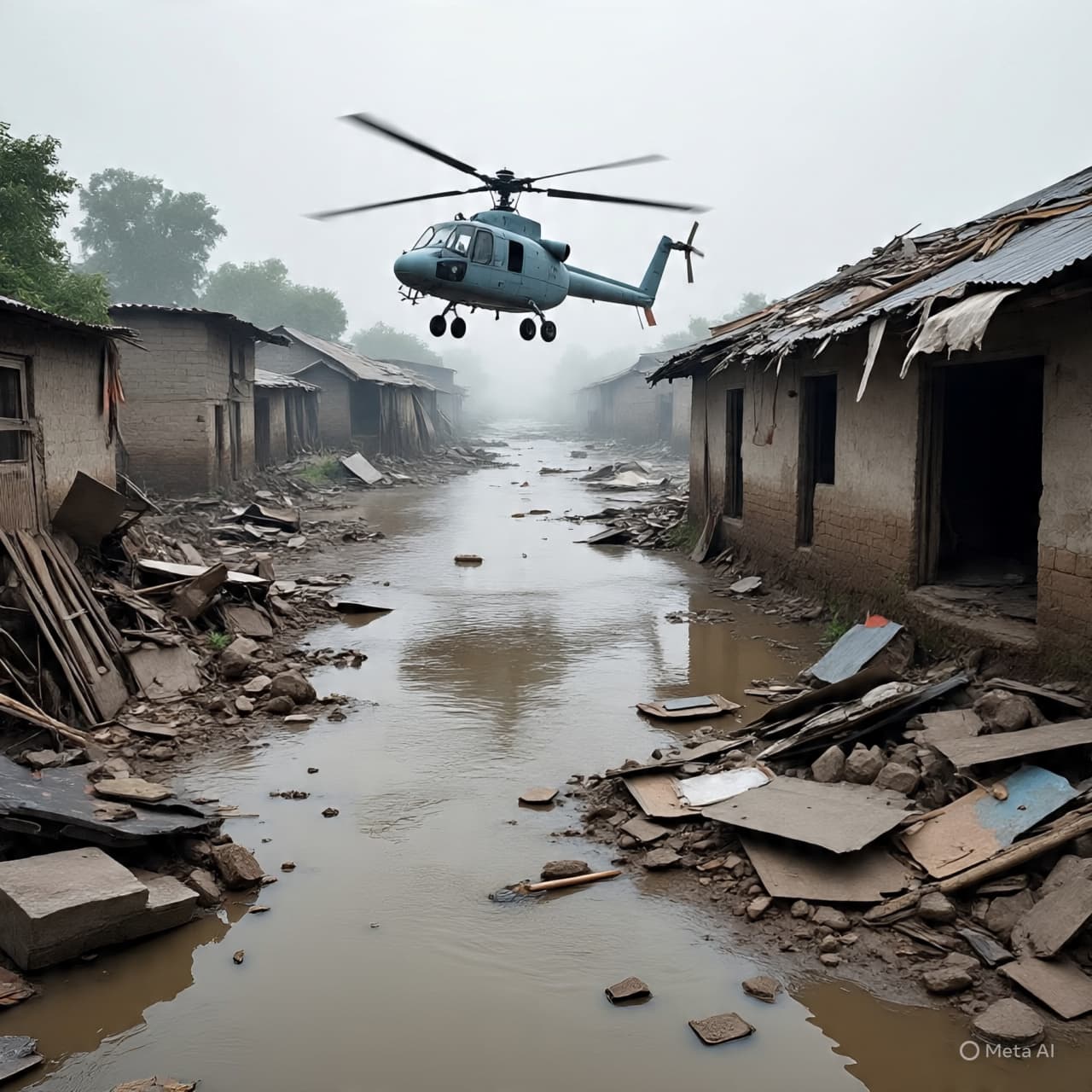
In parts of the east, air rescue teams worked through the deluge, airlifting over 100 people to safety after they became surrounded by rising waters. Roads that once connected communities now lie shattered or submerged, cutting off vital links between Kabul and regions to the north, east, and west. The destruction of infrastructure complicates not only rescue efforts but also the delivery of essential supplies to those in need.
Across rural and urban settings alike, the sound of rushing water and the sight of damaged homes speak to a deeper challenge: a lack of infrastructure that can withstand the fury of nature, and the stark reality that many communities are still rebuilding from past disasters. Families displaced by the floods now face an uncertain path to recovery — seeking shelter, clean water, and a restoration of normal life amid the trials of sudden loss. The resilience of these communities is tested as they navigate the aftermath of such devastating events.
As day turns to dusk over the mountains and plains of Afghanistan, the weather’s imprint lingers not just in damaged roads and sodden fields, but in the collective memory of those affected. In a land shaped by nature’s extremes, every storm tells a story — and behind the statistics are lives touched by the fragile balance between survival and sorrow. The ongoing challenges faced by these communities highlight the urgent need for improved disaster preparedness and infrastructure development to mitigate the impacts of future weather events.
Published by Banx Network. This article is part of the Banx decentralized media programme, powered by the BXE token on the XRP Ledger.



