Key Highlights
- Asian markets recently experienced a pullback after reaching record highs.
- The KOSPI index in South Korea declined by approximately 4% amid profit-taking.
- Investors are reassessing the implications of AI disruption on traditional revenue models.
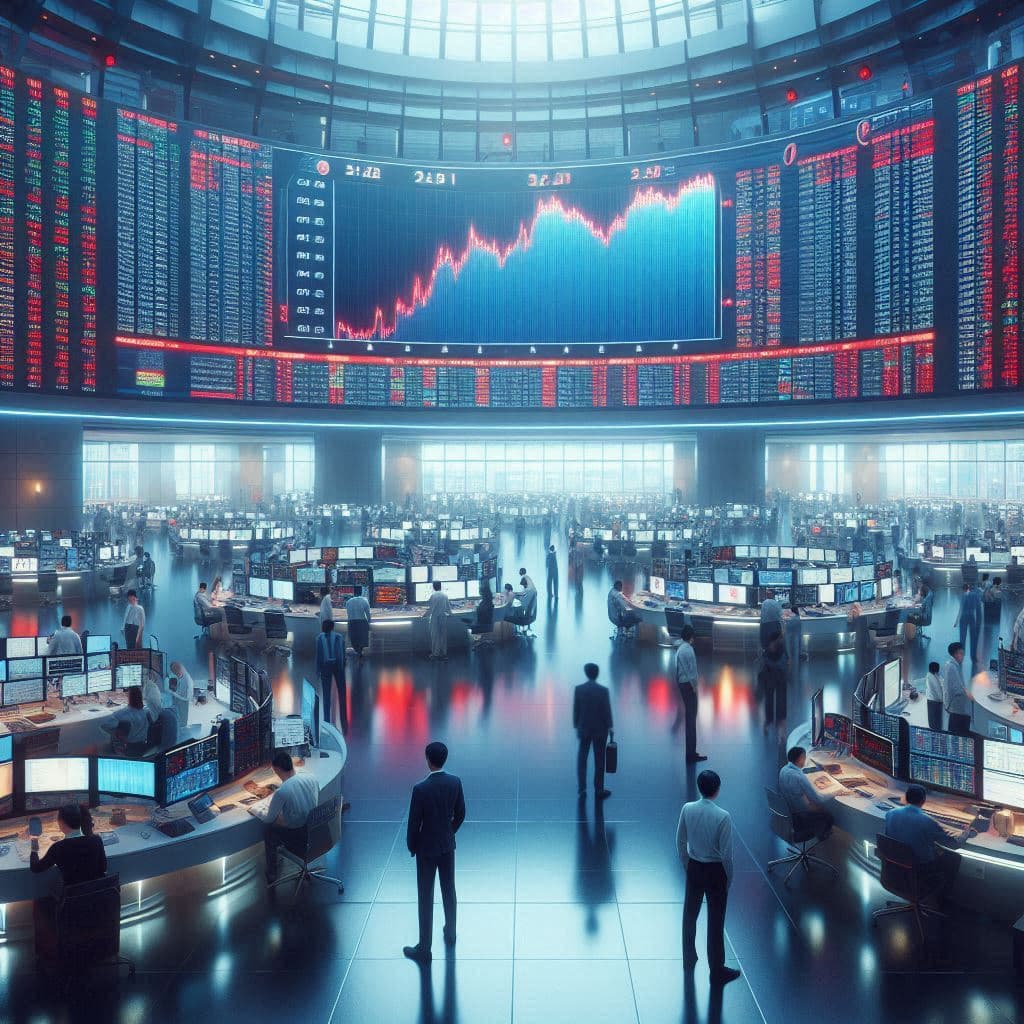
Asian financial markets are currently navigating a complex landscape shaped by the rapid advancements in artificial intelligence. Not long ago, these markets were buoyed by record highs, but recent sessions have seen a notable shift. The KOSPI index in South Korea, a key indicator of the region's economic health, has retreated by about 4%, signaling a moment of reflection among investors. This decline follows weeks of enthusiastic gains, highlighting the volatility that often accompanies technological transformation.
The decline in South Korea's chip sector, which plays a crucial role in the global tech supply chain, reflects a broader sentiment across Asia. Major indices in Tokyo, Hong Kong, and Mainland China have also experienced similar downturns, as investors take profits and reconsider the valuations that had previously driven these markets upward. This collective pause is not rooted in panic but rather in a thoughtful reassessment of the implications of AI on business practices and profit margins.
Concerns regarding the rising costs of investment in AI technologies and the potential for disruption to traditional revenue models have contributed to this cautious market behavior. The recent volatility in global technology shares has further exacerbated these concerns, prompting a risk-off approach among investors in the Asia-Pacific region. The interconnectedness of global financial markets means that movements in the U.S. tech sector have a direct impact on Asian markets, leading to a ripple effect that influences commodities and precious metals as well.
Despite the recent pullback, there is a sense of composure among market participants. Financial markets are inherently cyclical, responding to shifts in investor psychology and economic data. The current market adjustment can be viewed as a necessary recalibration, allowing investors to balance the excitement of technological advancements with the realities of current economic conditions. This moment of reflection is not indicative of failure but rather a strategic pause as the financial landscape evolves.
In summary, Asian stocks concluded the latest trading session lower, with major indices retreating from their recent highs. Investors are weighing the implications of changing sentiment regarding technology shares, particularly in light of concerns over AI disruptions and elevated investment costs. This modest retreat reflects a broader market adjustment rather than a sudden decline, suggesting that investors are taking a measured approach to the evolving technological landscape.
Published by Banx Network. This article is part of the Banx decentralized media programme, powered by the BXE token on the XRP Ledger.