
Key Highlights
- Tragic Incident:Federica Torzullo was killed by her husband, Claudio Carlomagno, in January.
- Autopsy Findings:Parents of Carlomagno found dead, confirmed asphyxia due to hanging.
- Ongoing Investigation:Authorities continue to probe the femicidio and its aftermath.
In the quiet aftermath of a tragedy that shook Anguillara Sabazia, the unfolding story continues to deepen the heartbreak surrounding a crime already marked by its severity. In early January, Federica Torzullo, 41, was found dead after being brutally killed by her husband, Claudio Carlomagno, who later confessed to the femicidio and was arrested. This case has reverberated not only for the brutal loss of a woman but also for the profound impact on a family that has now suffered further tragedy.
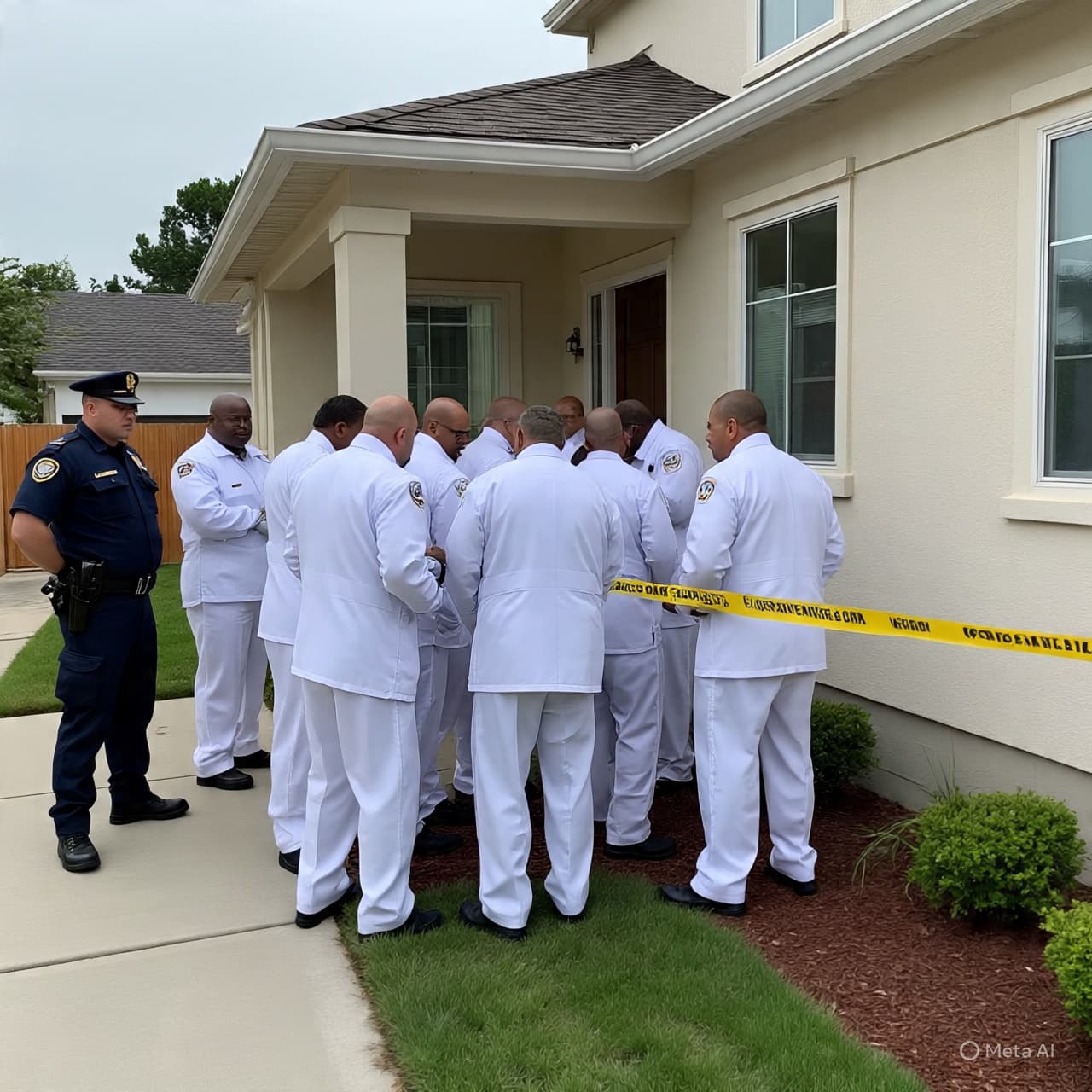
Recent news has emerged from forensic examinations that adds another, anguishing chapter to the story: the parents of Carlomagno, Pasquale and Maria, were found dead in their villa in Anguillara. Autopsy results have now confirmed that both died from asphyxia due to hanging, suggesting suicide. The forensic examinations were conducted at the Institute of Legal Medicine at La Sapienza University in Rome under the supervision of the Civitavecchia prosecutor’s office, which has opened a file on incitement to suicide.
The couple was discovered in their home late last weekend, weeks after their son was taken into custody. Initial investigations indicated both had taken their own lives, and the formal results of the post-mortem exams have now confirmed asphyxia as the cause of death. Prosecutors have also ordered toxicological sampling as part of the broader examination to understand the circumstances surrounding their deaths.
In addition to these autopsy findings, investigators continue to work in multiple directions related to the original femminicide. Carabinieri from the Investigative Unit of Ostia and specialists from the RIS are conducting further inspections of the villa where Federica was killed. These same teams are also expected to extend inquiries to the “black box” device in Carlomagno’s car—a GPS-equipped recorder that may help map the vehicle’s movements in the hours surrounding the crime. Authorities are likewise searching for the weapon used in the femicidio, which Carlomagno has claimed to have discarded in a nearby watercourse.
Another emotional dimension of the case is emerging: the couple’s 10-year-old son, left bereft of both parents and of his mother, is at the center of decisions before the Juvenile Court in Rome. An upcoming hearing will determine whether the child will be entrusted to relatives on his maternal side or placed temporarily in a protected facility. This situation adds another layer of tragedy to an already heartbreaking narrative.
The series of events—beginning with the brutal killing of Federica, followed by the deaths of her in-laws and the unresolved questions around their motivations—underscores not only the tragic toll of gender-based violence but also the wide-ranging emotional, legal, and social ramifications that ripple outward from a single, devastating act. The community of Anguillara Sabazia is left grappling with the aftermath of these events, as they reflect on the profound impact of violence on families and society as a whole.
Published by Banx Network. This article is part of the Banx decentralized media programme, powered by the BXE token on the XRP Ledger.



