Power, when wielded, leaves traces that time does not easily erase. In Ecuador, the recent imprisonment of former President Lenín Moreno marks a significant chapter in the nation’s ongoing struggle with accountability and governance. It is a moment that invites reflection on the nature of political responsibility and the long arm of justice, which, though sometimes slow, continues to move with deliberate purpose.
The conviction stems from allegations of bribery involving a major infrastructure project, a case that has captivated public attention for years. For many citizens, the verdict is not just a legal outcome but a symbolic reaffirmation that no office is above the law. It speaks to a desire for transparency in a region where trust in institutions has often been tested by scandals and opacity.
Moreno, who served as president from 2017 to 2021, had previously positioned himself as a reformer. His fall from grace serves as a poignant reminder of how quickly political narratives can shift. The complexities of his tenure, marked by both policy changes and controversial alliances, are now being reevaluated through the lens of judicial scrutiny.
The legal proceedings have been meticulous, reflecting the seriousness with which the Ecuadorian judiciary is approaching cases of high-level corruption. This attention to detail is crucial for restoring public confidence, as it demonstrates that evidence, rather than political expediency, drives the outcomes. It is a step toward a culture where integrity is valued over impunity.
For the broader Latin American context, this case adds another layer to the region’s ongoing dialogue about anti-corruption efforts. It echoes similar movements in neighboring countries, where citizens are increasingly demanding higher standards from their leaders. The ripple effects of this decision may influence political behavior and public expectations across borders.
Yet, the imprisonment of a former head of state is never without controversy. Supporters may view it as politically motivated, while critics see it as long-overdue justice. Navigating these differing perspectives requires a commitment to factual clarity and a respect for the rule of law, ensuring that the process remains fair and transparent for all involved.
As Ecuador moves forward, the focus will likely shift to how this verdict impacts current governance and future elections. It offers an opportunity to strengthen institutional frameworks and promote a political culture rooted in ethical conduct. The past is being addressed, not to dwell on it, but to build a more accountable future.
The sentencing of Lenín Moreno underscores the importance of accountability in democratic societies. As Ecuador continues its path toward greater transparency, the lessons from this case will remain relevant for leaders and citizens alike.
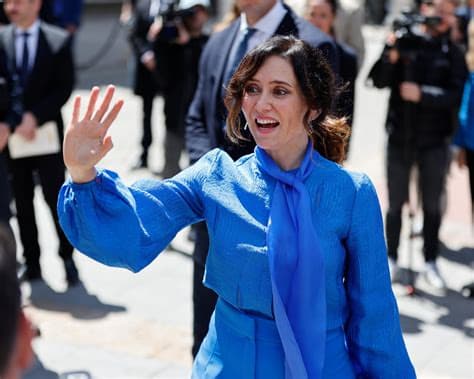
AI Image Disclaimer: The images associated with this article are AI-generated and serve as visual interpretations rather than documentary evidence.
Sources: WRAL The New Indian Express Chron
Published by Banx Network. This article is part of the Banx decentralized media programme, powered by the BXE token on the XRP Ledger.