
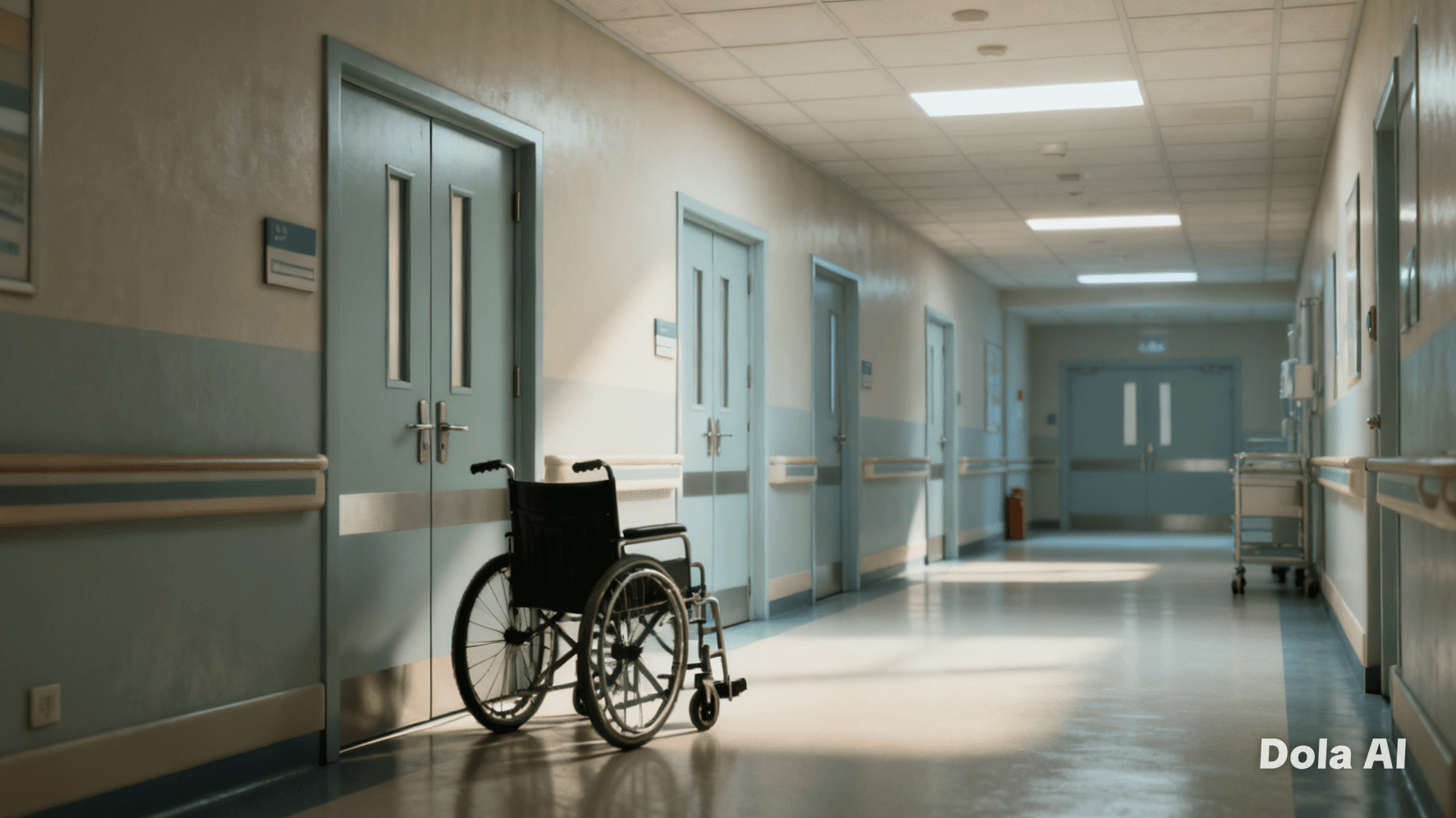
There are places where hope and healing are meant to walk hand in hand, where families gather their strength in sterile corridors and quiet conversations take place beneath the hum of machines calibrated for life. In Glasgow, the cavernous spaces of the Queen Elizabeth University Hospital once promised just that — care, recovery, and the quiet steady rhythm of medicine at its best. But for some, that rhythm faltered, and the hospital’s halls have become part of a painful chapter that many never expected to read.
In the latest turn of an ongoing investigation, prosecutors have confirmed that the deaths of two more patients are now being examined as part of a wider inquiry into fatalities linked to infections contracted at the hospital. These cases — which include a 23-year-old woman and a former government civil servant — add to a group of patients whose deaths have already drawn scrutiny because of alleged connections to contaminated systems and infection risks on the medical campus.
The Crown Office and Procurator Fiscal Service (COPFS), which has responsibility for sudden and unexplained deaths in Scotland, said it has expanded its inquiries and will keep the families informed of progress, underscoring the sensitive and solemn nature of the work. Among those whose cases are now joined with others under review, the young woman’s tenacity in advocating for improved care — even as she battled her own illness — has been remembered by friends and supporters, adding layers of both admiration and grief to the unfolding story.
This development arrives against the backdrop of a six-year public inquiry into the design, construction, and operation of the hospital campus, which has heard evidence suggesting that structural and environmental factors may have contributed to serious infections among vulnerable patients — especially those receiving cancer treatment. Reports presented to the inquiry revealed that contaminated water and ventilation systems are likely to have played a role in infections affecting scores of children, including at least two whose deaths had previously been linked to these issues.
Families of those affected have described their experiences in heartfelt terms, speaking of frustration, sorrow, and a longing for transparency as the inquiry continues. Calls from political leaders and campaigners for full disclosure of patient safety reviews and thorough examination of past decisions reflect a broader desire for accountability and change in the wake of systemic concerns.
For many, the hospital remains a place of both care and complicated memory — where the very institutions meant to cure became part of a narrative that doctors, nurses, administrators, and families alike must now reckon with. As the COPFS and other officials proceed with their investigations, there is a shared wish among communities touched by these events: that understanding and learning might rise from the pain, and that future patients might benefit from the lessons drawn from these difficult chapters.
AI Image Disclaimer Visuals accompanying this article are AI-generated illustrations, meant for conceptual representation rather than actual photography.
Sources : The Guardian Yahoo News UK The Standard Scottish Sunday Express News Minimalist
Published by Banx Network. This article is part of the Banx decentralized media programme, powered by the BXE token on the XRP Ledger.


