

Key Highlights
- Investigation:Indonesian authorities are probing a corruption scheme in palm oil exports.
- Allegations:Exporters allegedly manipulated commodity classifications to evade controls.
- Impact:The investigation raises concerns for local economies reliant on palm oil.
In the quiet rainforests of Riau and the bustling harbors of Medan, long ribbons of crude palm oil once followed familiar paths — winding through mills, into ships bound for distant markets, and into the mosaic of Indonesia’s export economy. However, in early March, those well-worn routes became the stages for a different kind of movement: the measured steps of investigators navigating between offices and orchards, carrying search warrants with the weight of the nation’s hopes for integrity.
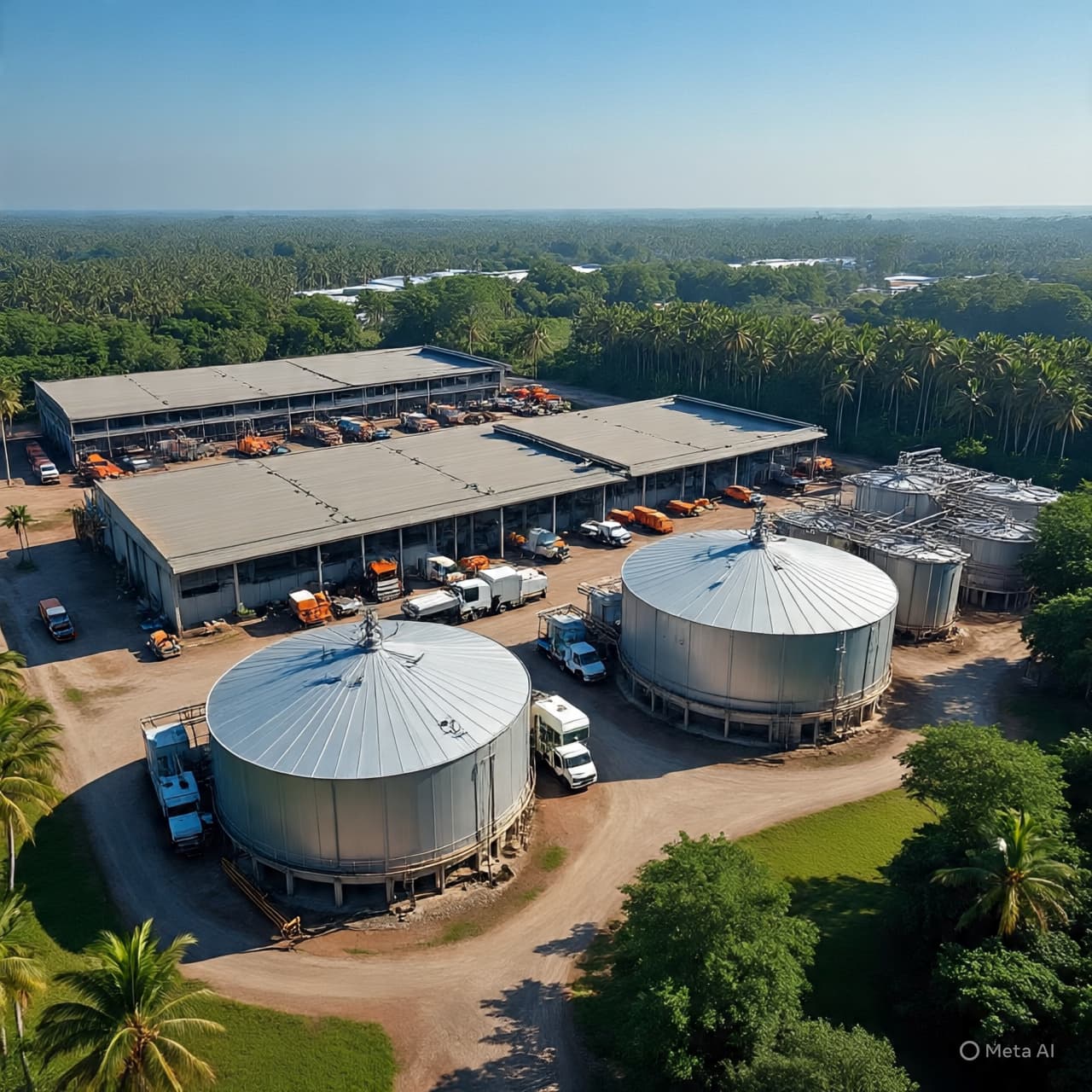
The Attorney General’s Office has undertaken a sweeping set of searches at dozens of locations linked to an ongoing corruption investigation into the export of crude palm oil (CPO) and its derivative products, officials said. The operations — unfolding across residences, corporate offices, and processing facilities — reflect an intensification of scrutiny into allegations that exporters manipulated commodity classifications to evade export controls imposed by the state.
Investigators assert that in some cases, high-acid CPO — a form of palm oil that traditionally faces stricter export requirements — was labeled and shipped under codes reserved for palm oil mill effluent (POME), a byproduct or waste material. This allegedly allowed the shipments to sidestep regulatory controls designed to protect domestic cooking oil supplies and stabilize prices. The implications of these actions are significant, as they threaten both the integrity of the export system and the livelihoods of those dependent on palm oil production.
Syarief Sulaeman Nahdi, director of investigations in the Attorney General’s special crimes unit, noted that authorities are now pursuing the seizure of assets linked to private-sector suspects. Land, heavy equipment, vehicles, and other holdings are among the property being assessed for confiscation as part of ongoing efforts to untangle financial flows and recover state losses. This proactive approach aims to address the financial ramifications of the alleged corruption and restore public confidence in the regulatory framework governing palm oil exports.
Earlier announcements from the Attorney General’s Office revealed that a group of 11 individuals has already been named in connection with this alleged export manipulation scheme, and internal inquiries have exposed suspected “kickbacks” involving officials and executives alike. The investigation is not only a legal endeavor but also a reflection of the broader societal implications of corruption in a sector that plays a crucial role in Indonesia’s economy.
For communities in regions where palm oil production sustains local economies, the raids have brought both curiosity and concern. Palm oil has long been more than a commodity in Indonesia — it is woven into the fabric of smallholder livelihoods and national economic narratives. Thus, the unfolding probe does not simply chart a legal journey, but refracts through the daily life and work of farmers, mill workers, and traders whose futures are tethered to the harvest and the finance beyond it.
Yet for prosecutors, the current chapter in this investigation is a painstaking effort to re-anchor trust in systems of trade and regulation. Each sealed document and boardroom search is a reminder that the lines drawn on export codes and tax ledgers can ripple into broader questions about governance, fairness, and the public trust. As authorities continue to trace evidence and pursue potential asset seizures, the story remains unfinished — a quiet search for accountability unfolding amid the rhythms of industry and nature.
Authorities emphasize that the investigation remains active, with no final judgments rendered and legal processes continuing. Additional asset seizures and potential future charges are expected as evidence develops and prosecutors work to clarify the financial and regulatory dimensions of the alleged export anomalies.
Published by Banx Network. This article is part of the Banx decentralized media programme, powered by the BXE token on the XRP Ledger.




