

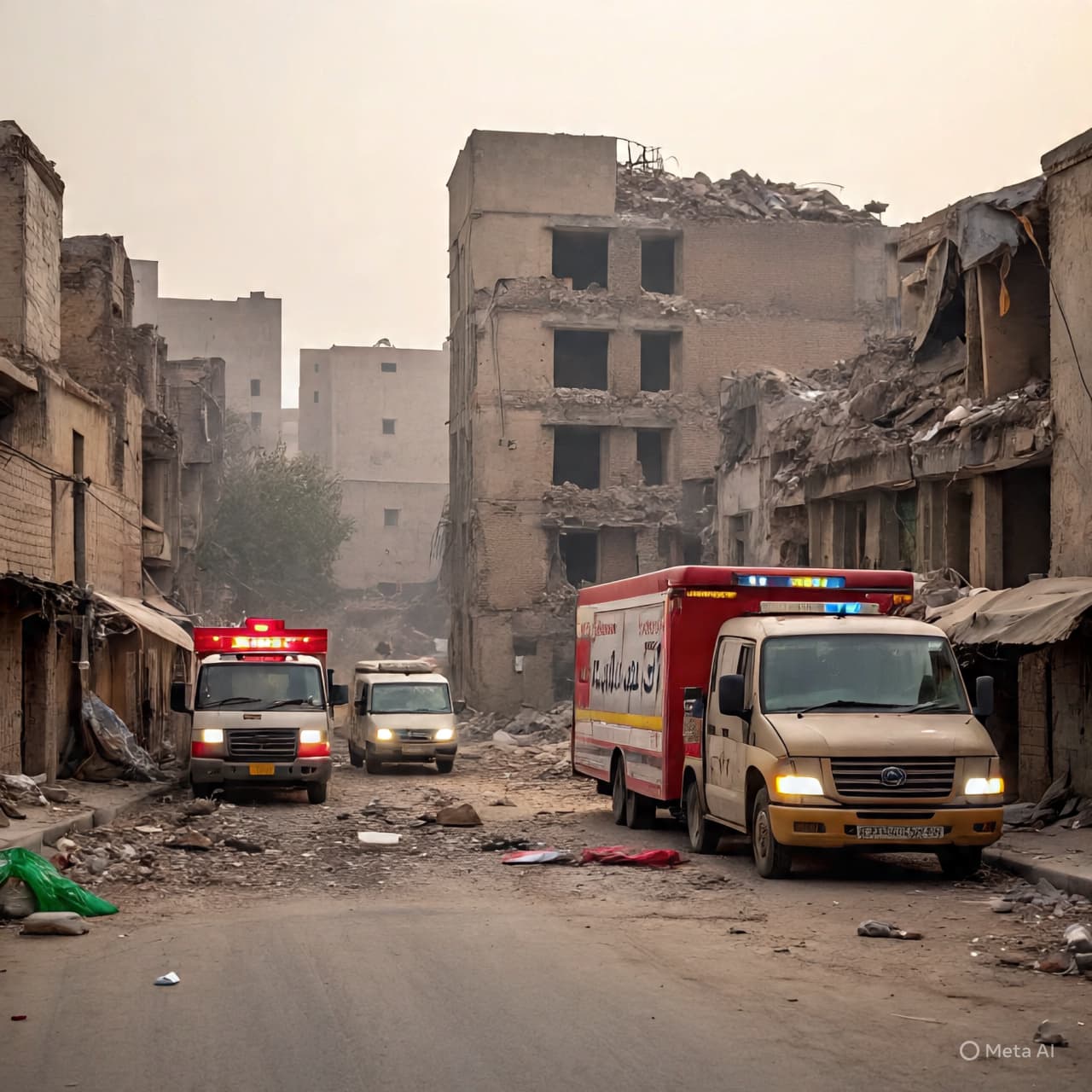
Key Highlights
- Recent violence in Balochistan has resulted in over 250 deaths.
- Pakistan's security forces have killed nearly 200 separatist fighters.
- The United Nations Security Council condemned the attacks and expressed condolences.
In early February, southwestern Pakistan's Balochistan province experienced a significant escalation of violence, marking a critical moment in its long-standing conflict. The weekend saw coordinated attacks by separatist groups, which paralyzed daily life in several cities, including Quetta, the provincial capital. Residents reported a pervasive sense of disbelief as explosions and gunfire disrupted the usual rhythm of their neighborhoods.
The attacks targeted key state facilities, including banks, police stations, and military installations, resulting in widespread fear and mourning among local communities. According to government figures, the violence has claimed the lives of at least 36 civilians and over 20 security personnel, in addition to the nearly 200 separatist fighters killed during subsequent military operations.
In response to the violence, Pakistan's security forces launched a comprehensive counter-terrorism operation aimed at dismantling the networks of the Baloch Liberation Army (BLA), which has claimed responsibility for the assaults. Officials, speaking on condition of anonymity, indicated that the operations are ongoing, with sporadic clashes reported in various districts. The overall death toll from this latest wave of violence has surpassed 250, highlighting the severe human cost of the conflict.
Balochistan's geography, characterized by rugged mountains and strategic routes, has made it a focal point for both governmental control and separatist aspirations. The province has long been plagued by grievances related to economic marginalization and political underrepresentation, fueling a separatist insurgency that seeks greater autonomy or independence from Pakistan's central government. This backdrop of discontent has been a catalyst for the recent violence, as groups like the BLA leverage local frustrations to justify their actions.
The international community has taken notice of the escalating situation. The United Nations Security Council issued a statement condemning the militant attacks and extending condolences to the victims' families. This response underscores the broader implications of local conflicts, which often resonate beyond their immediate geographic boundaries, influencing perceptions of stability and security on a global scale.
As military operations continue and media coverage unfolds, the daily lives of residents in Balochistan will gradually return to a semblance of normalcy, albeit marked by loss and resilience. The question remains whether this latest surge in violence will catalyze renewed efforts toward peace or further entrench the divisions that have long plagued the region. The echoes of this weekend's events will likely linger in the memories of those affected, shaping the future of Balochistan and its people.
Published by Banx Network. This article is part of the Banx decentralized media programme, powered by the BXE token on the XRP Ledger.




