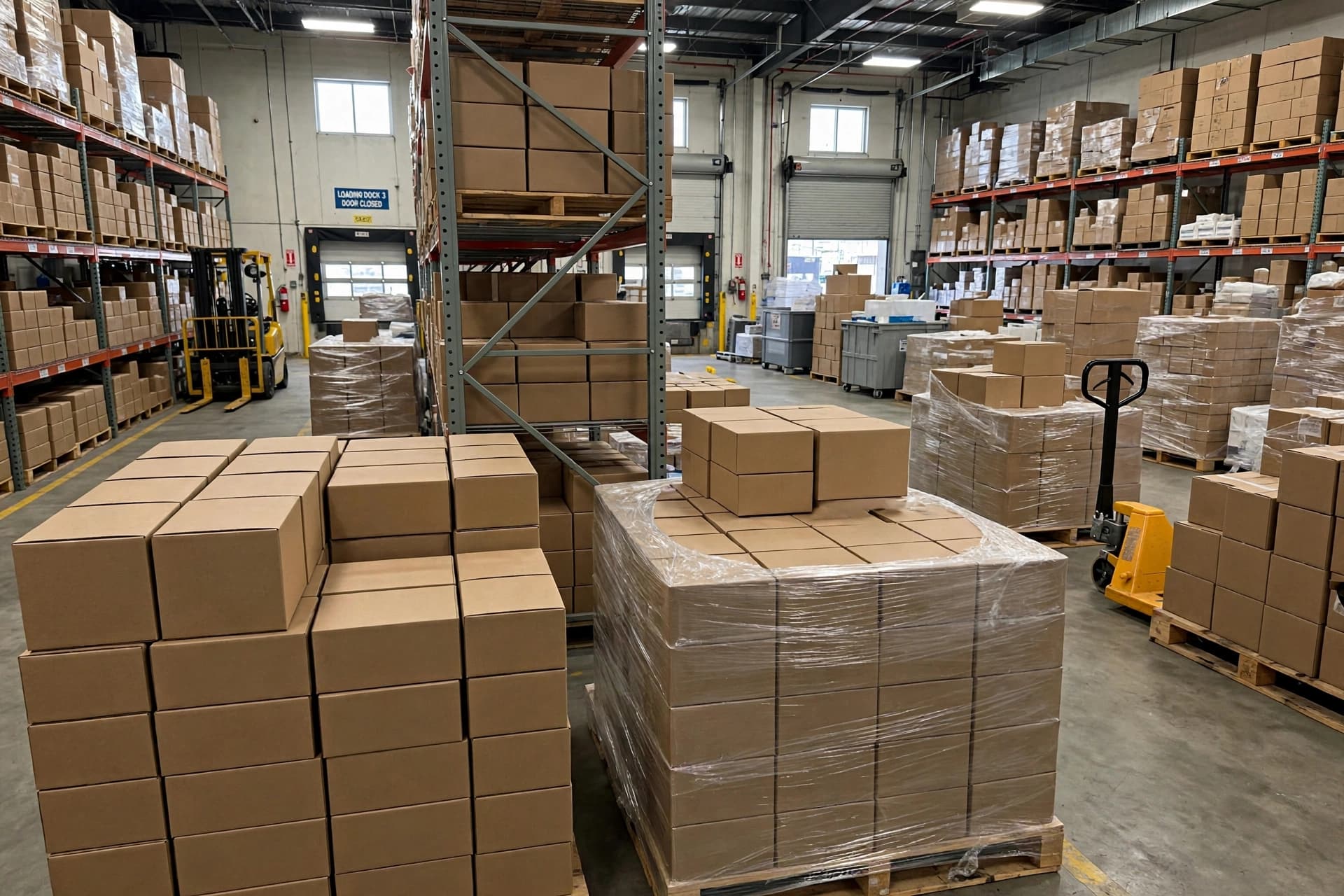
There are moments at the crossroads of commerce and conversation that feel like turning from familiar paths into a clearing at dusk — the landscape still familiar yet subtly transformed by the shifting light. For United Parcel Service, that dusk arrived not with thunderous disruption but with measured acknowledgement: that the rhythms of its vast network are changing. In early 2026, executives and shareholders alike found themselves pausing to consider what it means when one of the world’s largest delivery carriers reshapes its workforce and strategies against a backdrop of shifting customer demands and deep industry ties.
In the softly spoken halls of earnings calls and regulatory filings, UPS announced plans to eliminate up to 30,000 jobs across its operations this year. The company also shared intentions to shutter dozens of facilities as part of a broader restructuring effort, underscoring a pivot away from lower-margin volume — particularly from long-time partner Amazon. CEOs and financial officers rarely frame workforce changes in poetic terms, but even in their clinical phrasing there is an undercurrent of adjustment — of letting go some parts of the past to make room for a reimagined future.
This decision builds on previous workforce changes throughout 2025, during which tens of thousands of roles were already reduced, many through attrition or voluntary separation programs. While these changes reflect a company striving for efficiency and long-term profitability, they also echo the broader realities of an evolving logistics landscape — one where technology, customer strategy and global trade winds all play their part. Investors initially greeted the news with a mild lift in UPS share prices, a reminder that in the world of finance, adaptation is often welcomed when it hints at stability ahead.
Yet for the countless individuals whose daily work is woven into the fabric of UPS’s network, these numbers carry weight beyond quarterly statements. The symbolism of departure is often felt most keenly in communities and households, where certainty gives way to questions about what comes next. Still, the company stresses that many of the reductions will occur through voluntary buyouts and natural attrition, a gentler approach than abrupt furloughs — though one no less significant for those affected.
In the end, this chapter in UPS’s long story will be remembered not simply for the scale of the workforce adjustments, but for the way a venerable institution confronted transition with both strategy and sensitivity. As the industry evolves, so too do the paths of those who drive it, reminding observers that even amidst change, there is room for reflection as well as resolve.
AI Image Disclaimer “Visuals are created with AI tools and are not real photographs.”
Sources Reuters Reuters (CFO Statement) AP News Washington Post Economic Times
Published by Banx Network. This article is part of the Banx decentralized media programme, powered by the BXE token on the XRP Ledger.