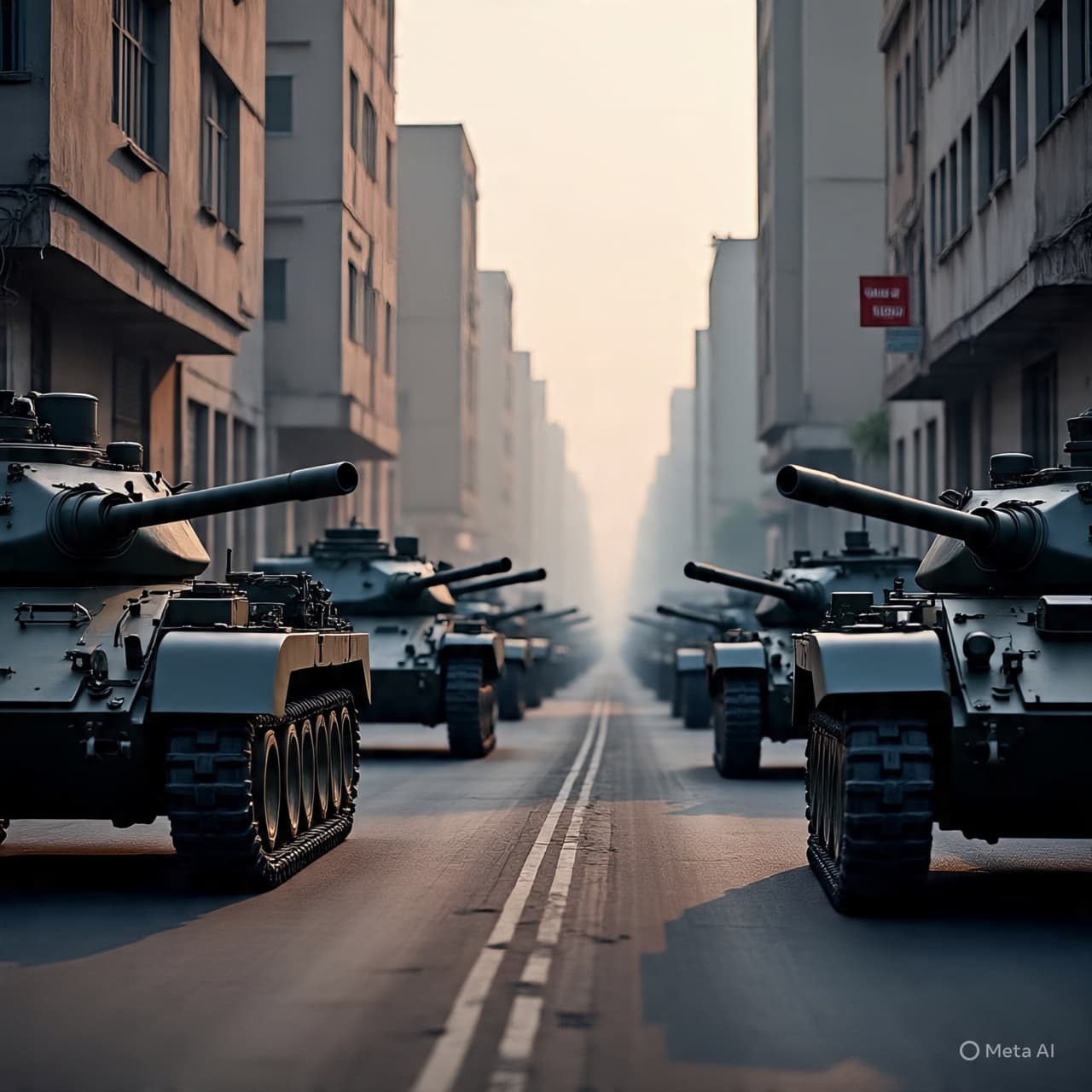
The streets of Tehran awaken under a low winter sun, the air carrying a hush punctuated by distant murmurs of routine life. Windows reflect the pale light, and the city moves with a rhythm that belies the turbulence beyond its borders. Amid this quiet, the Iranian government released statements dismissing an international cease-fire offer in the ongoing conflict, while at the same time hinting at a willingness to engage in dialogue. The paradox of rejection intertwined with openness paints a portrait of a nation navigating both pride and pragmatism.
Within the intricate corridors of diplomacy, Iran’s response carries layers of meaning. Analysts suggest that while Tehran publicly declines the cease-fire proposal, its subtle gestures toward conversation may indicate a strategic posture rather than an outright refusal to consider engagement. The Iran war continues to unfold with complex implications for regional stability, global trade, and the delicate balance of power in the Middle East. Each announcement, each nuance in language, reverberates far beyond the capital, shaping perceptions in capitals across Europe, Asia, and North America.
On the ground, military maneuvers and civilian life intertwine in a quiet tension. Iranian forces remain on alert, and neighboring nations watch closely, attuned to every signal of escalation or restraint. International actors are also weighing their next steps, navigating sanctions, negotiations, and the moral and practical dimensions of involvement. In this climate, the line between dialogue and confrontation often blurs, reminding observers that diplomacy and defiance are sometimes woven into the same cloth.
As the day stretches onward, the duality of Iran’s stance—declining formal offers while remaining open to talks—reflects the broader challenge of conflict resolution in a world where messages are as significant as movements. The narrative emerging from Tehran is neither absolute nor simple; it is a study in restraint, signaling, and the intricate choreography of international relations. Beyond the headlines, the city breathes, negotiates, and watches, embodying a nation poised between caution and communication.
AI Image Disclaimer Visuals are AI-generated and serve as conceptual representations.
Sources Reuters Associated Press Al Jazeera BBC News The New York Times
Published by Banx Network. This article is part of the Banx decentralized media programme, powered by the BXE token on the XRP Ledger.