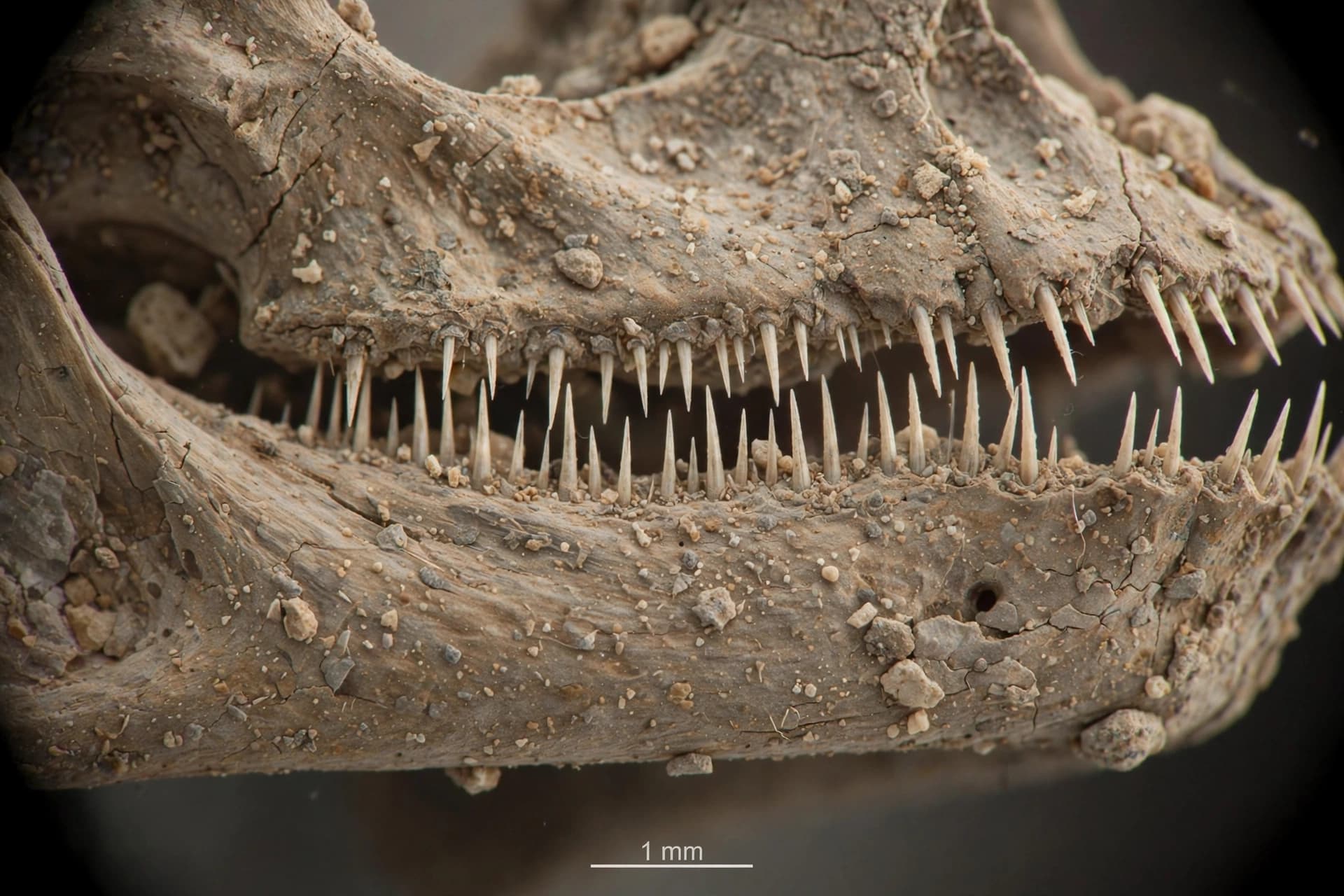
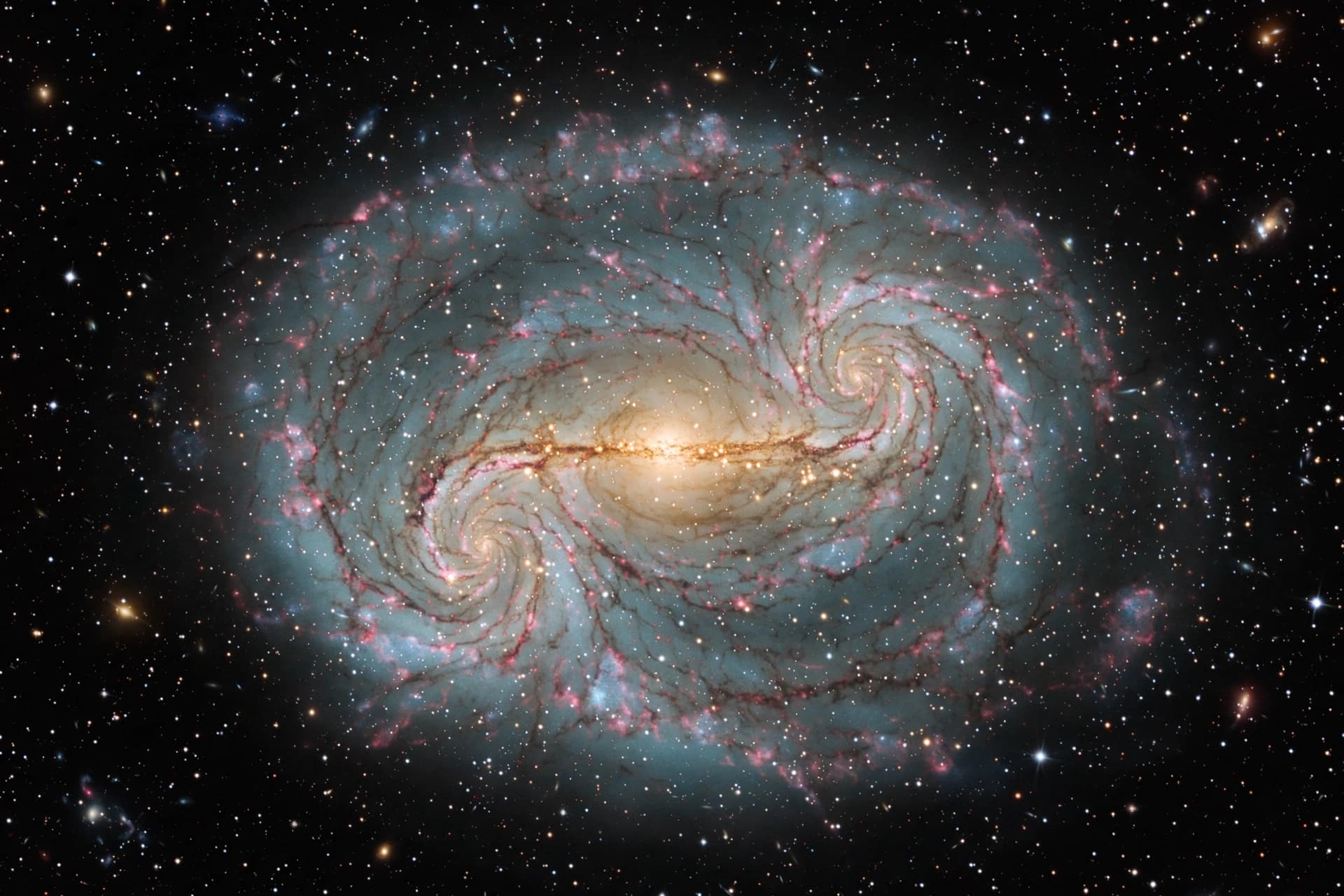
In the hush of a lab where light seems gentler and silence feels dense, scientists embark on a journey that is both backward and forward — an exploration of life’s earliest whispers. Imagine traveling not across vast distances but into deep time, where the echoes of 3.2 billion years of biological history still resonate in the molecular shapes of long-forgotten enzymes. In this quiet undoing of time, researchers have coaxed ancient proteins back to life, not to relive the past for nostalgia’s sake, but to illuminate possibilities far beyond our own world. This delicate work bridges Earth’s earliest biochemistry with the grand enigma that has enthralled humankind for decades: are we alone in the cosmos?
Scientists supported by NASA’s Astrobiology program have focused on a remarkable molecule called nitrogenase, an enzyme that enables certain microbes to convert atmospheric nitrogen into forms usable for life. This process of nitrogen fixation was crucial in shaping Earth’s early biosphere and laid the groundwork for more complex life. Using techniques from synthetic biology, the research team has essentially peeled away the evolutionary layers of nitrogenase, reconstructing versions of the enzyme as it might have existed in Earth’s distant past.
In the reconstructed ancient states, these enzymes appear quite different in sequence and structure from their modern counterparts. Yet when the team inserted them into living microbes, something remarkable happened: these primordial enzymes carried out the same chemistry as modern nitrogenases. Even more strikingly, the chemical fingerprints — specifically the nitrogen isotope signatures — that are preserved in ancient rocks remained consistent across billions of years. This validation confirms that scientists can reliably interpret these signatures as a biosignature of life when analyzing the geological record.
It is one thing to discover vestiges of life in old rocks; it is another to resurrect the very molecules that once powered early metabolisms. These experiments do not merely confirm theories about Earth’s early biosphere; they offer tools that could help future missions search for signs of life beyond Earth. By understanding how ancient metabolisms imprinted chemical trails in terrestrial rocks, scientists can better recognize similar patterns should they be found on Mars, Venus, icy moons, or ancient ocean worlds.
The work also highlights how resilient certain biochemical processes are — that the fundamental chemistry of nitrogen fixation has echoed through vast stretches of evolutionary time, even as life’s complexity blossomed and the planet itself transformed. These ancient enzymes offer a bridge to understanding environments radically different from today’s Earth, climates unfamiliar and alien terrains.
Because the search for life beyond Earth hinges on identifying reliable biosignatures, tools like ancient nitrogenase inform both the design of future instruments and the interpretation of data from missions still to come. In this way, the past becomes a guide, a subtle compass pointing toward where traces of life — ancient or extant — might be found in the vastness of space.
In the wider narrative of exploration, these resurrected enzymes remind us that life's story did not begin with complexity, and it need not remain there. Life’s earliest chapters, once hidden in molecular shadows, now emerge as reference points in our search for kinship with life elsewhere — a gentle but profound reminder that the quest to know life is as much about understanding where it has been as where it may yet be found.
AI Image Disclaimer *“Graphics are AI-generated and intended for representation, not reality.”*
Source Check NASA Science – official NASA article on resurrecting ancient enzymes. Phys.org – science news on the ancient enzyme research. Sci.News – details on primordial nitrogenase and implications. USU Today – university reporting on the NASA-funded ancient enzyme study. SpaceDaily – astrobiology research reporting on early Earth and life detection.
Published by Banx Network. This article is part of the Banx decentralized media programme, powered by the BXE token on the XRP Ledger.