There are moments in public life when history’s shadows stretch long into the present, turning familiar achievements into fragile memories. Once, not so long ago, measles in the United States was like an old photograph on a shelf a chapter closed through years of vaccination and collective effort. Now, as this year draws to a close, the numbers have begun to stir that memory again, reminding us that the threads of public health are woven not once, but continually, through every generation.
This year, the United States has recorded more than 2,000 confirmed measles cases, a figure that stands as the highest annual total in more than thirty years. Across dozens of states, from South Carolina to Arizona, communities have watched outbreaks unfold, as clusters of the highly contagious virus find footholds where immunization levels have dipped. In the quiet of hospitals and the hallways of public health departments, caregivers and officials navigate case reports, quarantine notices, and the complex, human stories behind each statistic.
This resurgence comes against the backdrop of the United States’ long-held elimination of measles a status the country maintained for decades since the disease’s disappearance as an endemic threat in 2000. What was once safeguarded by community immunity now teeters, as vaccination coverage in many areas has fallen below the levels needed to keep the virus at bay. For parents, health workers, and educators alike, the return of a disease largely unseen in childhood memories brings both concern and motivation to engage anew with preventive care.
In places like South Carolina, a growing number of cases has placed added strain on local public health resources. Meanwhile, in other regions, scattered outbreaks trace lines of exposure that reflect the interwoven patterns of travel, community interaction, and human connection that define this season. Through each report, we are reminded that viruses do not heed boundaries, and that our collective wellbeing depends on shared responsibility and ongoing vigilance.
As the year folds into the next, these rising numbers will prompt reflection not only among scientific communities, but among families, educators, and policymakers. It is in these gentle pauses at the close of a calendar and the turning of another that society often reconsiders the lessons of the year just lived and the values it chooses to carry forward.
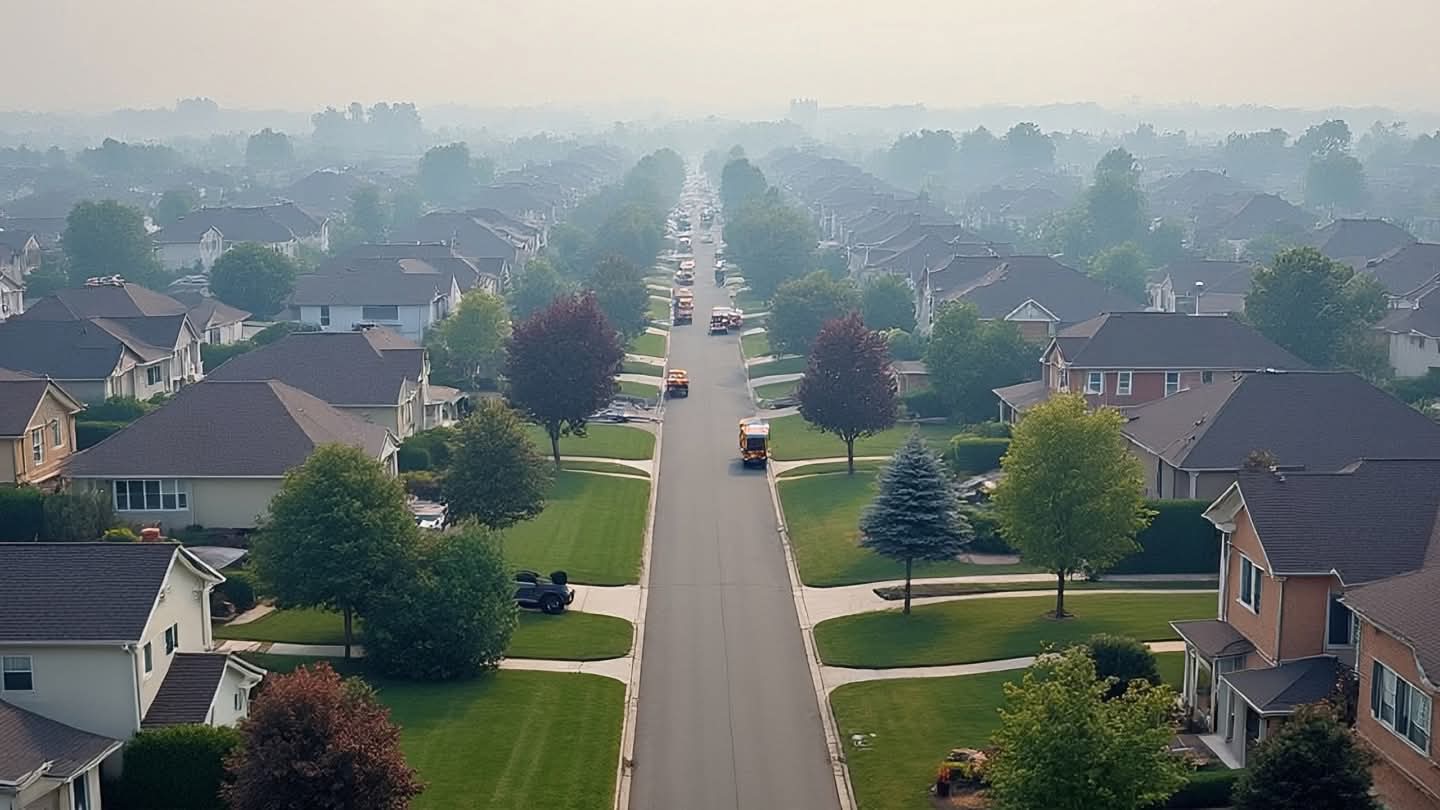
AI Image Disclaimer “Visuals are created with AI tools and are not real photographs.”
Sources :
CIDRAP (Center for Infectious Disease Research and Policy) Axios ABC News NBC News Forbes
Published by Banx Network. This article is part of the Banx decentralized media programme, powered by the BXE token on the XRP Ledger.