There are moments when science feels like an old book being gently closed at the end of a long chapter — pages worn from devoted study but ready to rest. In the quiet vastness above our atmosphere, one such chapter is drawing to a close as a once‑diligent sentinel, deployed years ago to illuminate mysteries invisible to the naked eye, prepares for its own homecoming. Not with a planned descent or marching cadence, but with an unpredictable, windswept path driven by gravity and time itself.
For nearly 14 years, the Van Allen Probe A circled Earth, skimming the invisible edges of the radiation belts — those invisible rings of charged particles that cradle our planet in an unseen embrace. The probe’s mission, born in 2012, sought to understand how these restless particles shifted and danced, sometimes stirred by the sun’s temper and at other times drifting in cosmic quiet. Designed for a two‑year voyage, it defied expectations and remained aloft nearly seven, sharing data that helped scientists better understand “space weather” and the invisible cosmic currents that can ripple through modern life.
Yet nothing that orbits forever stays aloft indefinitely. Over time, the thin whisper of Earth’s upper atmosphere — pulled outward by recent heightened solar activity — coaxed the probe closer and closer to home, hastening a return once predicted to occur years hence. Now that return is imminent, unled by human command and subject to the invisible quiet tug of atmospheric drag and cosmic geometry. The U.S. Space Force and NASA estimate the re‑entry into Earth’s atmosphere will occur around 7:45 p.m. EDT on March 10, though that timing could shift by a day in either direction.
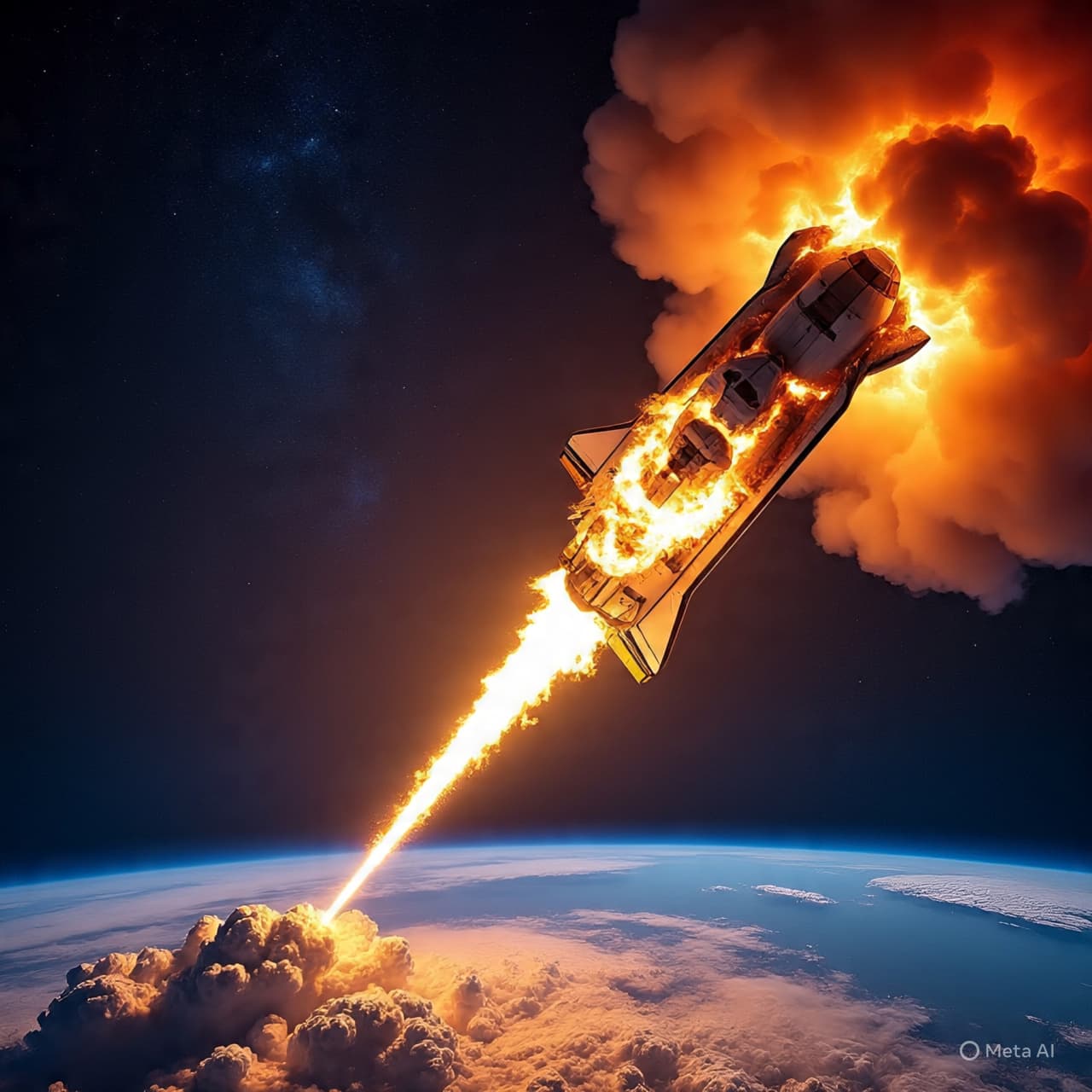
In this uncontrolled descent, most of the craft’s 1,323 pounds (about 600 kg) is expected to disintegrate as it encounters the heat and friction of re‑entry, much like a leaf turning to ash in a slow‑burning fire. A few hardy fragments, constructed of materials that tolerate the furnace of the sky, might survive the journey and reach the ground. Nevertheless, according to NASA’s careful assessments, the risk of any piece causing harm to a person is exceedingly small — approximately 1 in 4,200, a fraction that underscores both the unpredictability of such events and the vastness of Earth’s waters and uninhabited lands below.
Indeed, falling space debris is not unprecedented. Every day, the skies accept dozens of tiny pieces of human‑made hardware back into their fold, invisible to us but tracked by scientists who watch the skies with an eagle’s eye. Most burn up completely, devoted to their mission until a final blaze of glory marks their end. In this instance, the probe’s fiery return serves as a quiet reminder of the growing chorus of human‑built objects that circle the planet — and the care that must be taken in stewarding both our orbital environment and the skies we call home.
As Van Allen Probe A makes its twilight passage through the atmosphere, its legacy will endure not in fragments on the ground, but in the data it shared and the understanding it gifted to the scientists who will continue exploring the frontier it once circled so faithfully.
AI Image Disclaimer (Rotated Wording) Visuals are created with AI tools and are not real photographs.
Sources (media names only):
CNN (via localnews8) Space.com CNN Newsource / NBCPalmSprings.com LiveScience NASA official statement on Van Allen Probe A re‑entry
Published by Banx Network. This article is part of the Banx decentralized media programme, powered by the BXE token on the XRP Ledger.