In the vast ebb and flow of global energy markets, sometimes the most consequential shifts begin not with a dramatic spike in prices or a sudden supply cut, but with the quiet recalibration of power between producers big and small. Today, that recalibration is taking shape amid an ambitious American push to wrest influence over one of the world’s most prized resources — Venezuelan oil — and with it, expose new strains in an aging system long dominated by the Organization of the Petroleum Exporting Countries.
At the heart of this unfolding story is a plan championed by President Donald Trump that, if fully realized, would place much of Venezuela’s once-vast oil output under American influence. Officials familiar with the initiative say the goal is to rehabilitate the country’s dilapidated oil infrastructure and market its crude on the global stage under U.S. direction — a plan that could reshape the energy map and undercut the traditional leverage wielded by the OPEC cartel.
Venezuela, a founding OPEC member, sits atop some of the largest known oil reserves in the world. Yet decades of underinvestment, political turmoil, and crumbling infrastructure have left its production far below potential levels. U.S. strategists see this not just as a humanitarian or economic opportunity, but as a geopolitical lever: bringing Venezuela back into high production under Western management could add millions of barrels per day to global supply over time.
That looming increase — even if modest in the short term — presents a thorny dilemma for OPEC. The cartel has long struggled to balance supply and demand, especially as U.S. shale production has surged and alternative sources of crude have come online. The prospect of a U.S.-influenced Venezuela pumping tens of millions of additional barrels magnifies these difficulties, intensifying competition for market share and weakening OPEC’s traditional role as the arbiter of global supply.
Some analysts suggest that even the anticipation of greater future supply undercuts OPEC’s ability to exert price control today. The cartel’s members are already wrestling with low global prices and the question of whether to cut production to support them — a difficult choice when doing so risks eroding revenue and provoking internal discord.
Within the Gulf and beyond, voices differ on how to respond. Some officials see a potential silver lining if shifting Venezuelan supply routes nudge major consumers like China back toward Gulf producers. Others worry that the expansion of American oil influence will siphon off demand and destabilize the cartel’s long-held role in regulating markets.
Yet the challenge goes deeper than politics or profit. The global energy landscape is in flux — shaped by sanctions, shifting demand patterns, and the rise of renewables — even as traditional producers cling to a system built decades ago. In this context, Trump’s bold oil gambit underscores not just a geopolitical contest, but a broader reckoning: one where legacy institutions like OPEC must confront new competitors, new priorities, and new realities in a world hungry for both energy and stability.
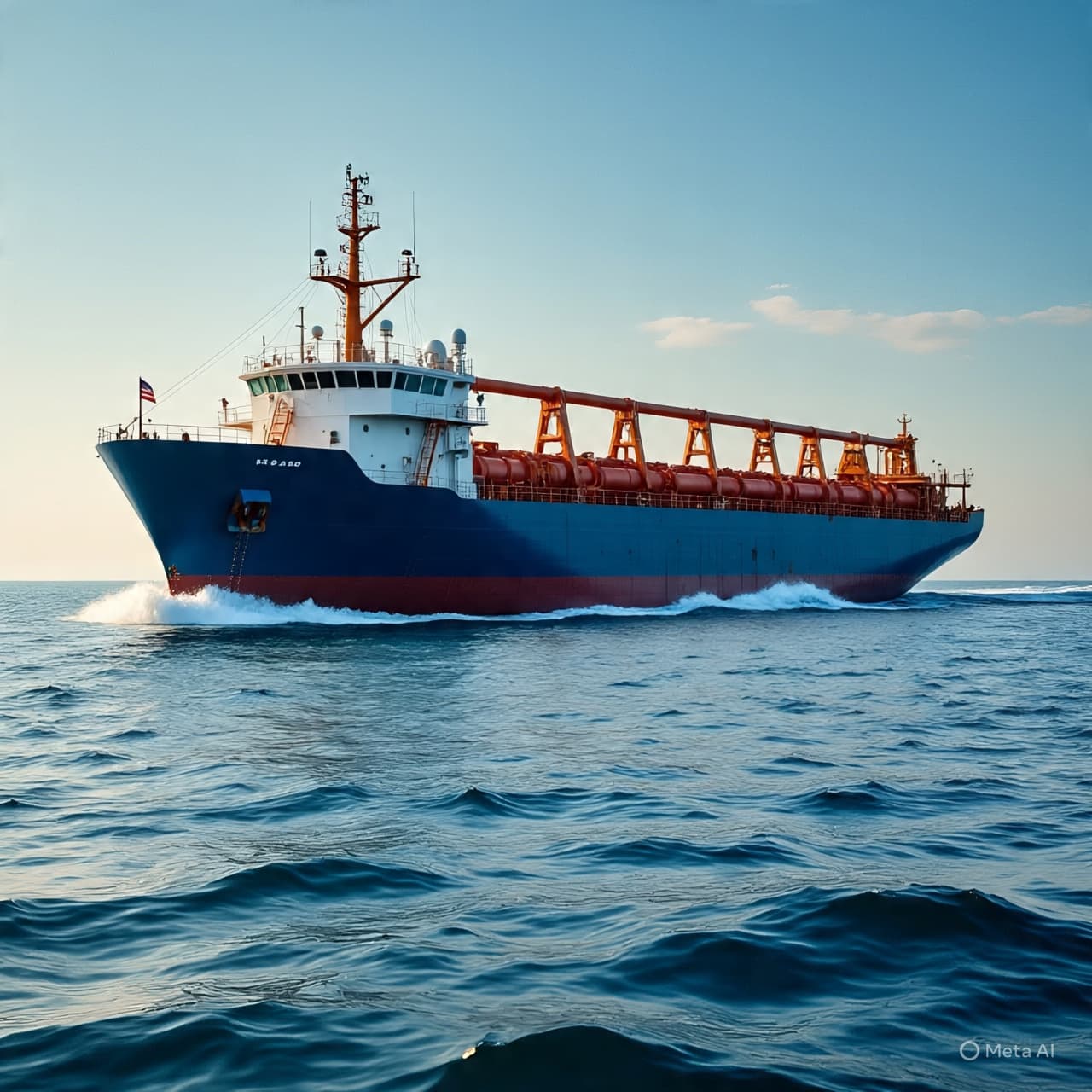
AI Image Disclaimer Visuals are created with AI tools and are not real photographs.
Sources Wall Street Journal Associated Press LiveMint
Published by Banx Network. This article is part of the Banx decentralized media programme, powered by the BXE token on the XRP Ledger.