In the quiet undergrowth of an island forest, where dew settles like silver dust on leaves and tiny creatures go about their secret rhythms, a story is unfolding that speaks to the fragility of life itself. The land snail, unhurried and almost invisible to casual observers, carries its home on its back and moves in patient spirals through leaf litter and moss. Yet, across many islands around the world, these slow-moving beings are vanishing at a pace that is anything but slow — a whisper of loss that echoes through ecosystems once rich with evolutionary wonder.
Islands, often imagined as emerald jewels strewn like scattered beads across the sea, have long been places of unique biological possibility. The isolation of land surrounded by water nurtures life forms found nowhere else, spawning intricate webs of interdependence and astonishing diversity. Among these, land snails have flourished with such individuality that a single volcanic island might harbor dozens, even hundreds, of distinct species. Yet this very isolation, the womb of their diversity, also makes them vulnerable to change.
A new global review led by researchers at the University of Hawai‘i at Mānoa paints a sobering picture of how deeply these small mollusks are affected. In volcanic island chains, where evolution has spun its wonders over millennia, extinction rates for land snails range from roughly 30 percent to upwards of 80 percent. Such numbers, described by scientists as devastating, suggest that these gentle dwellers of leaf litter are among the animal groups most heavily impacted on the planet today.
For many of these snails, the first signs of trouble came with the arrival of people. Trees were cleared, streams diverted, and the moist, shaded microhabitats that snails rely upon began to shrink. Small though they are, snails require stable conditions — the quiet coolness of forest floors and the shelter of undisturbed soil — and when these are lost, so too are the lives that depend on them.
But the greatest blows often come from unexpected corners. Invasive predators, introduced intentionally or by accident, have proved especially destructive. Black rats, brought by ships to distant shores, eagerly feed on snail flesh and eggs. The rosy wolf snail and the New Guinea flatworm — themselves predators brought in as misguided biological controls — have relentlessly hunted native snails across many Pacific islands. In these encounters, the slow pace of a snail is no match for the stealth of a new predator.
Because land snails leave behind shells when they die, these remnants often become time capsules — a shell bank that tells a story of past abundance. In some places, these ghostly accumulations reveal rich histories of species long lost, their spiral homes preserved while no living snail remains.
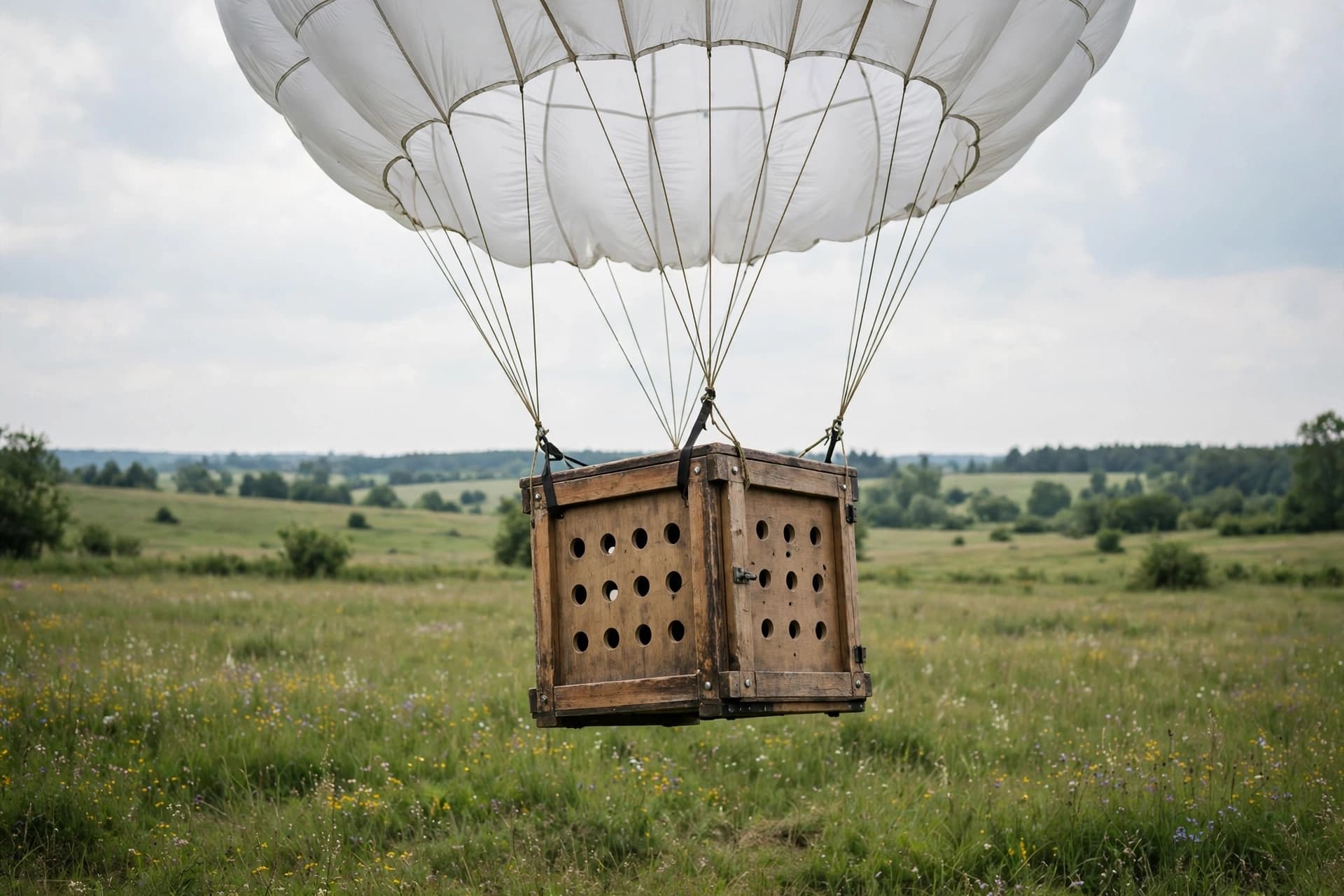
Still, amid the narrative of loss, there are gentle reminders that lost ground need not be forever forsaken. In the Atlantic’s Madeira archipelago, for example, captive breeding programs saved tiny land snails once thought gone from the wild. More than 1,300 specimens reared in zoos were returned to an island refuge where predators had been removed and habitat restored — a testament to what careful, sustained effort can achieve.
In the broader view, these shifts in snail populations reflect deeper currents of change within island ecosystems. Each disappearance is an echo of habitat alteration and species introductions, of climate shifts and human influence in every corner of the world. The land snail’s plight, humble as it may seem, serves as a reminder that biodiversity’s tapestry is woven from countless small threads — and when these threads unravel, the pattern of life itself becomes less whole.
Today’s scientific assessments underscore the urgency of monitoring and conserving these overlooked creatures. For researchers, conservationists, and island communities alike, the hope is that lessons learned from both losses and recoveries of land snails will guide approaches that protect entire ecosystems, ensuring that the delicate spirals of these mollusks continue to grace their native homes.
AI Image Disclaimer (Rotated Wording) “Illustrations were produced with AI and serve as conceptual depictions.”
Sources (media names only):
Earth.com (environment/animals reporting) EurekAlert! (AAAS) (science press release) Smithsonian Magazine (natural history coverage) Kompas (Indonesian science news) — context on island snails discovery (not about decline but relevant snail biodiversity reporting) Euronews / AP? (related snail conservation data via other sources; not decline article but relevant context)
Published by Banx Network. This article is part of the Banx decentralized media programme, powered by the BXE token on the XRP Ledger.