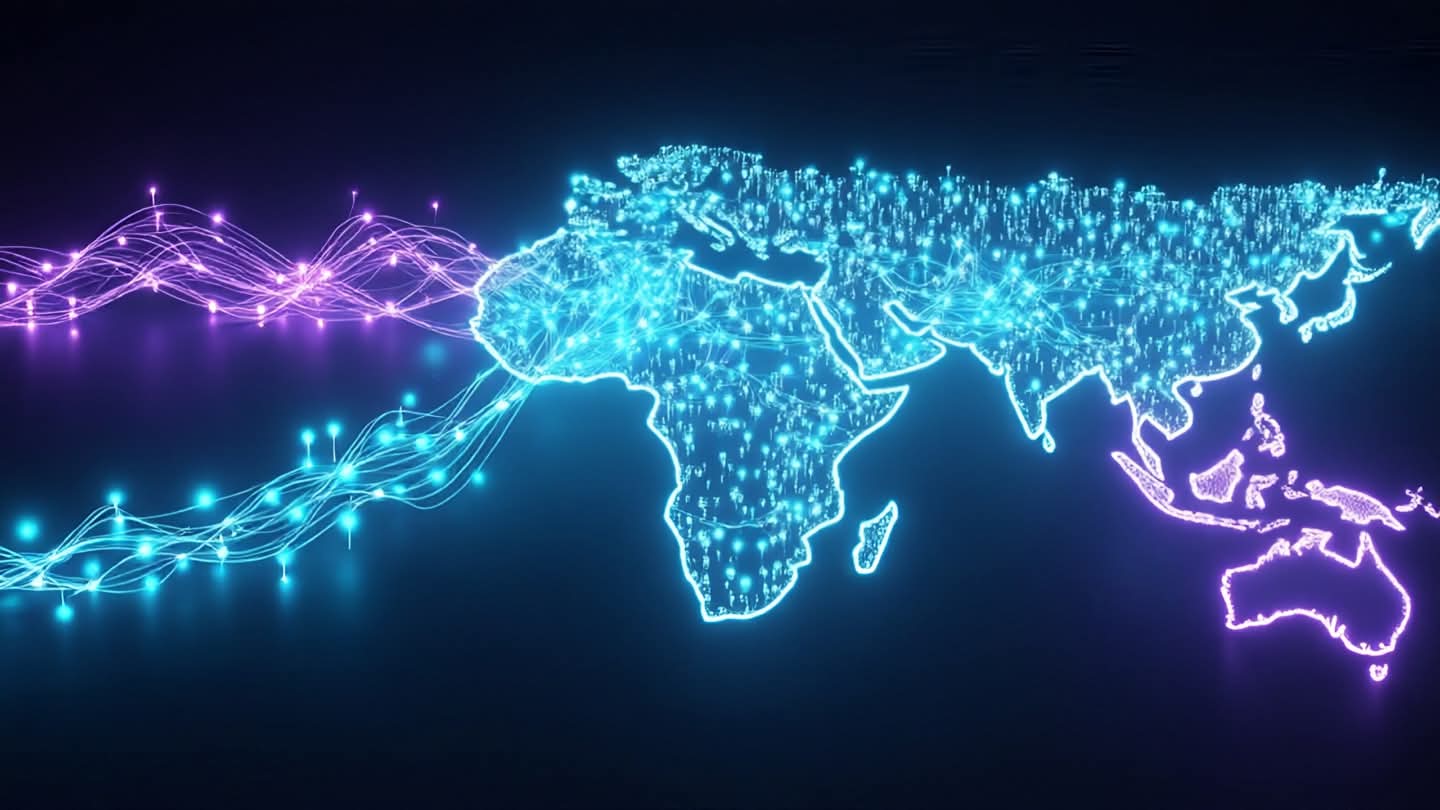
The desert does not rush, even when men do. At dusk, the wind carries the scent of dust and diesel across borderlands where maps are drawn in ink but lived in memory. In the span of seventy-two hours, the Middle East—so often described in headlines as a theater—felt instead like a series of adjoining rooms, where one slammed door sends tremors through the walls of the next.
The latest escalation tied to Iran unfolded not in isolation but in echoes. In southern Lebanon, the frontier watched by the uneasy gaze of the United Nations Interim Force in Lebanon flickered with exchanges between Hezbollah and Israeli forces. The hills above the Blue Line, quiet in winter light, again carried the sound of artillery—measured, deliberate, yet unmistakably real. Across the border, northern Israeli towns moved between sirens and silence, the rhythm of daily life punctuated by warning tones.
Farther south, the Red Sea became a corridor of tension. The Houthis in Yemen signaled solidarity with Tehran’s posture, threatening maritime routes that thread past the Bab el-Mandeb. Commercial vessels adjusted course; insurance rates ticked upward; naval patrols from the United States Navy and regional partners intensified their watch. The sea, usually a patient highway of container ships and tankers, felt narrower, its blue surface carrying invisible lines of risk.
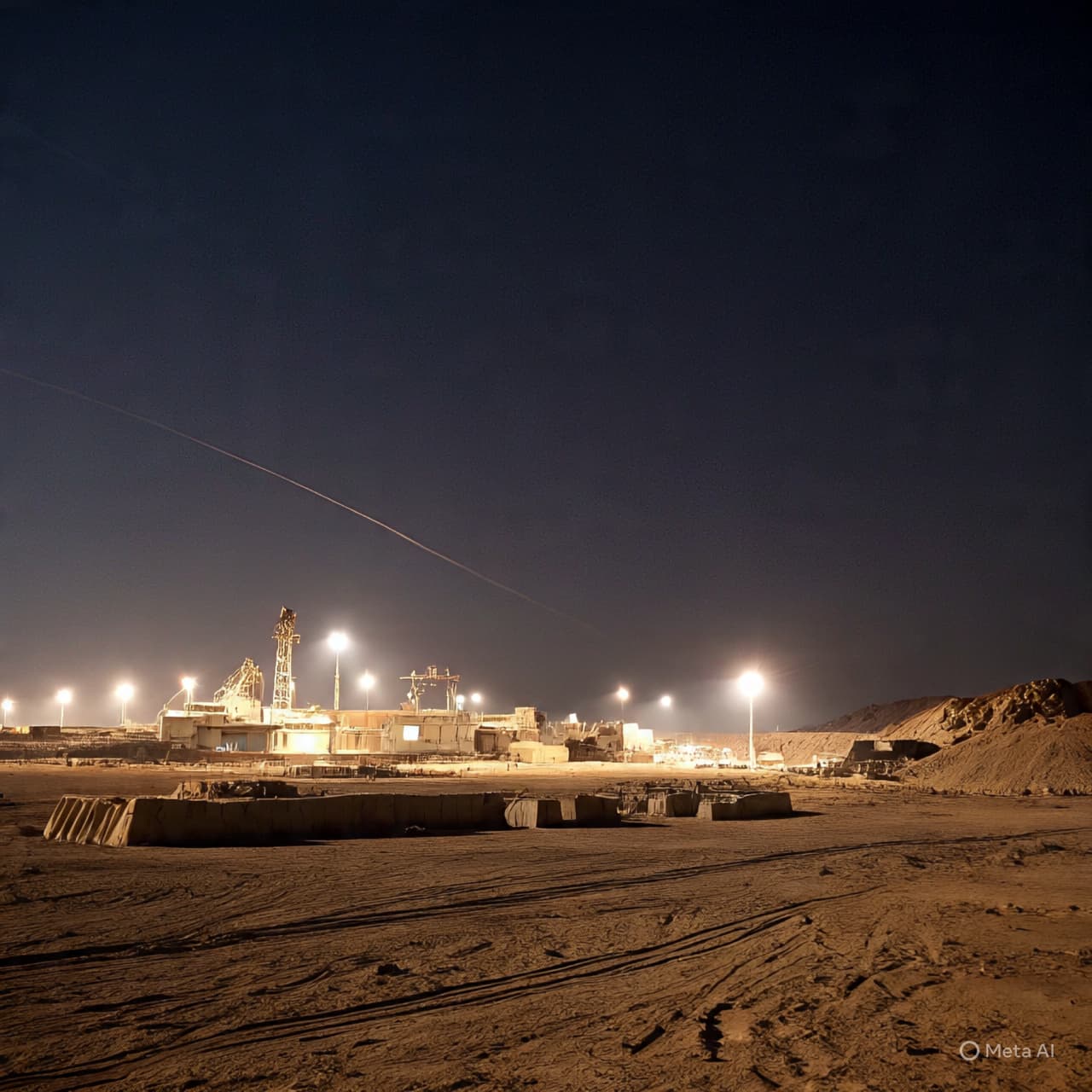
In Iraq and Syria, bases associated with U.S. and coalition forces reported rocket and drone activity attributed to Iran-aligned militias. The desert sky, vast and indifferent, briefly filled with the geometry of interception—trails of light tracing arcs before fading back into night. Statements emerged from Baghdad and Washington in careful language, each word weighed, each pause meaningful. In these capitals, diplomacy worked in parallel with defense, as officials sought to contain what had already begun to spill.
Tehran, for its part, framed its posture as deterrence, a calibrated response within a longer confrontation that stretches back decades. Its leadership spoke of sovereignty and resistance, invoking history as both shield and compass. Yet beyond speeches, the practical effect was regional: neighboring states from the Gulf to the Levant recalculated security, quietly reviewing contingency plans, reinforcing air defenses, and consulting allies.
The Gulf monarchies watched with the composure of experience. Energy markets reacted in hours rather than days; crude prices edged upward on speculation alone. Tankers idled offshore, waiting for clarity that did not immediately arrive. In cities like Dubai and Doha, glass towers reflected sunsets unchanged in color but altered in mood. Traders followed the news as if tracking a storm at sea—distant, but capable of reshaping coastlines.
Diplomats from Europe and Asia urged restraint, their communiqués threaded with familiar phrases about de-escalation and dialogue. The United Nations Security Council convened behind closed doors, its chamber a place where urgency often meets the slow choreography of consensus. Even as resolutions were debated, the region’s civilians continued their small, steadfast rituals: opening shops, driving children to school, buying bread before evening prayers.
Seventy-two hours is a brief measure in history, but long enough for uncertainty to travel. The conflict’s expansion did not resemble a single explosion; it felt more like a widening ripple, touching Lebanon’s hills, Yemen’s coastline, Iraq’s deserts, and the shipping lanes that bind continents. Each front carried its own logic, yet all were tied by the same thread—a confrontation between Iran and its adversaries that resists simple boundaries.
As night settles again over the region, the immediate facts are clear: cross-border fire has intensified along Israel’s northern frontier; maritime security in the Red Sea is under strain; militia activity in Iraq and Syria has drawn defensive responses; oil markets remain sensitive to further disruption. What remains uncertain is whether these rooms, now vibrating with tension, will absorb the shock—or whether another door will close, sending a new tremor across the map.
In the Middle East, history often moves like sand—shifting, resettling, never entirely still. The past seventy-two hours have not rewritten the landscape, but they have reminded the region how quickly the wind can rise.
AI Image Disclaimer Illustrations were created using AI tools and are not real photographs.
Sources Reuters Associated Press Al Jazeera BBC News The New York Times
Published by Banx Network. This article is part of the Banx decentralized media programme, powered by the BXE token on the XRP Ledger.