It has been ten years since gunfire and chaos pierced the Bataclan theatre in Paris, leaving hundreds wounded and scores dead. For France, the tragedy was not only an immediate shock but also the beginning of a long, difficult conversation about memory, justice, and collective resilience. The question of how to remember — what to commemorate, what to teach, and what to feel — remains as poignant today as it was in the aftermath.
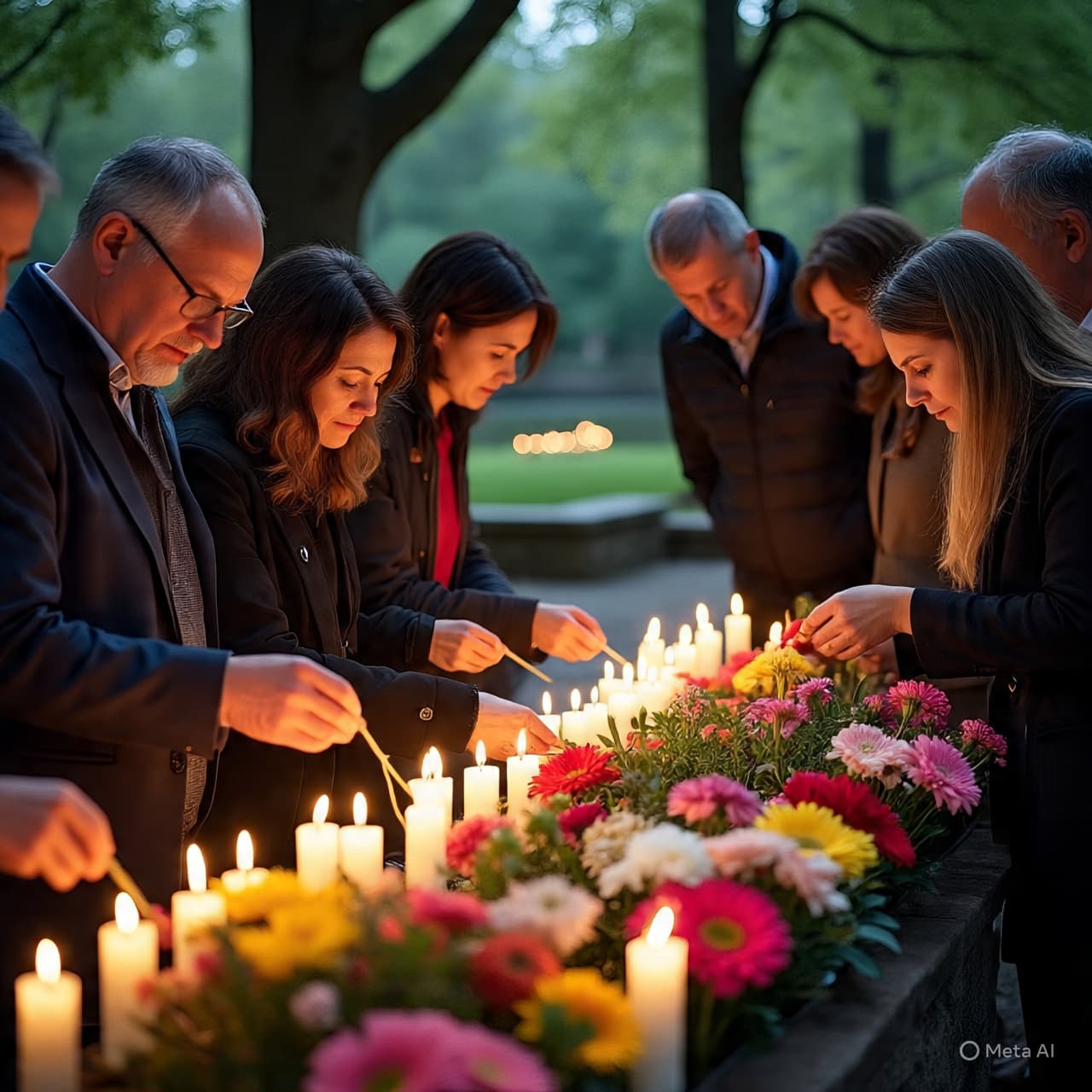
Families and survivors continue to navigate grief in public and private spheres. Memorials and anniversaries have become spaces for both mourning and reflection, yet they also provoke debate over how to honor victims without allowing fear to dominate daily life. Scholars and civic leaders note that commemoration is not only about looking back; it is about shaping a culture of resilience and vigilance, a careful balance between remembrance and moving forward.
Public ceremonies, exhibitions, and educational programs attempt to preserve memory while emphasizing unity. Yet France grapples with tensions between national mourning and political discourse. The legacy of trauma intersects with questions of security, immigration, and social cohesion, each layer influencing how citizens experience remembrance. For younger generations, born after 2015, the Bataclan attacks exist mostly as historical knowledge — a narrative reconstructed from testimony, media, and civic ritual rather than lived experience.
The city of Paris itself bears the imprint of that night. The Bataclan theatre reopened, resuming concerts and performances, standing as both a site of resilience and a solemn reminder. Each chord struck inside the hall reverberates with echoes of history, blending artistry with collective memory. For the nation, the passage of a decade has not dulled the ache; it has transformed it into a reflective lens through which France continues to understand itself, its values, and the fragility of peace.
While legal proceedings, public debates, and personal recollections unfold, the fundamental challenge remains: how to remember without being consumed, how to honor without perpetuating fear. The Bataclan legacy is now inseparable from the broader story of France’s confrontation with modern terrorism and the enduring human need to keep memory alive.
Published by Banx Network. This article is part of the Banx decentralized media programme, powered by the BXE token on the XRP Ledger.