There are moments in politics that feel like a stone dropped into a still pond — the ripples reach further than the splash itself, touching distant shores in ways unseen at first glance. So, in late January, as word spread that Andy Burnham’s bid to return to Westminster had been halted by his own party’s National Executive Committee, there was that quiet moment of reflection: what does this tell us about the path Labour now walks?
Andy Burnham, the well-known mayor of Greater Manchester and once-hopeful leadership candidate, had set his sights on a parliamentary by-election seat. To many observers, his planned return to the House of Commons was not simply a local contest but a symbol of deeper currents within the British Labour Party — currents of ambition, disagreement, and differing visions for the future.
When the NEC voted overwhelmingly against allowing him to stand, citing concerns about the cost and disruption of a mayoral by-election and Labour’s broader electoral battles, the reaction was not silence but a murmur that swelled into a noticeable chorus. Critics, from MPs to union leaders, voiced unease about the decision. For them, it raised questions about internal democracy, the handling of dissent, and the balance between caution and opportunity.
Supporters of the party leadership, on the other hand, chose a softer language of unity and stability — a reminder that they saw risk and distraction where others saw possibility. In their telling, avoiding unnecessary upheaval ahead of key local elections was a pragmatic choice, intended to keep the party cohesive.
And yet, even as Burnham accepted the outcome with public disappointment, urging Labour to remain strong together, the scene felt less like a settled conclusion and more like a pause in an ongoing dialogue. Across social media and political commentary, the moment was reflected upon — not as an end, but as another chapter in the story of a government navigating internal stresses amid external pressures.
For Sir Keir Starmer, Prime Minister and Labour leader, this episode was perhaps a reminder that leadership is not measured solely by electoral success but also by the capacity to hold a broad and diverse party together. Whether this decision will tighten the bonds of unity or widen the fault lines remains part of the unfolding narrative.
In the fabric of political life, threads of ambition and unity will always weave through each other. This decision over Burnham’s candidacy, in that gentle yet consequential way, may tell us as much about the future challenges ahead as the immediate moment itself.
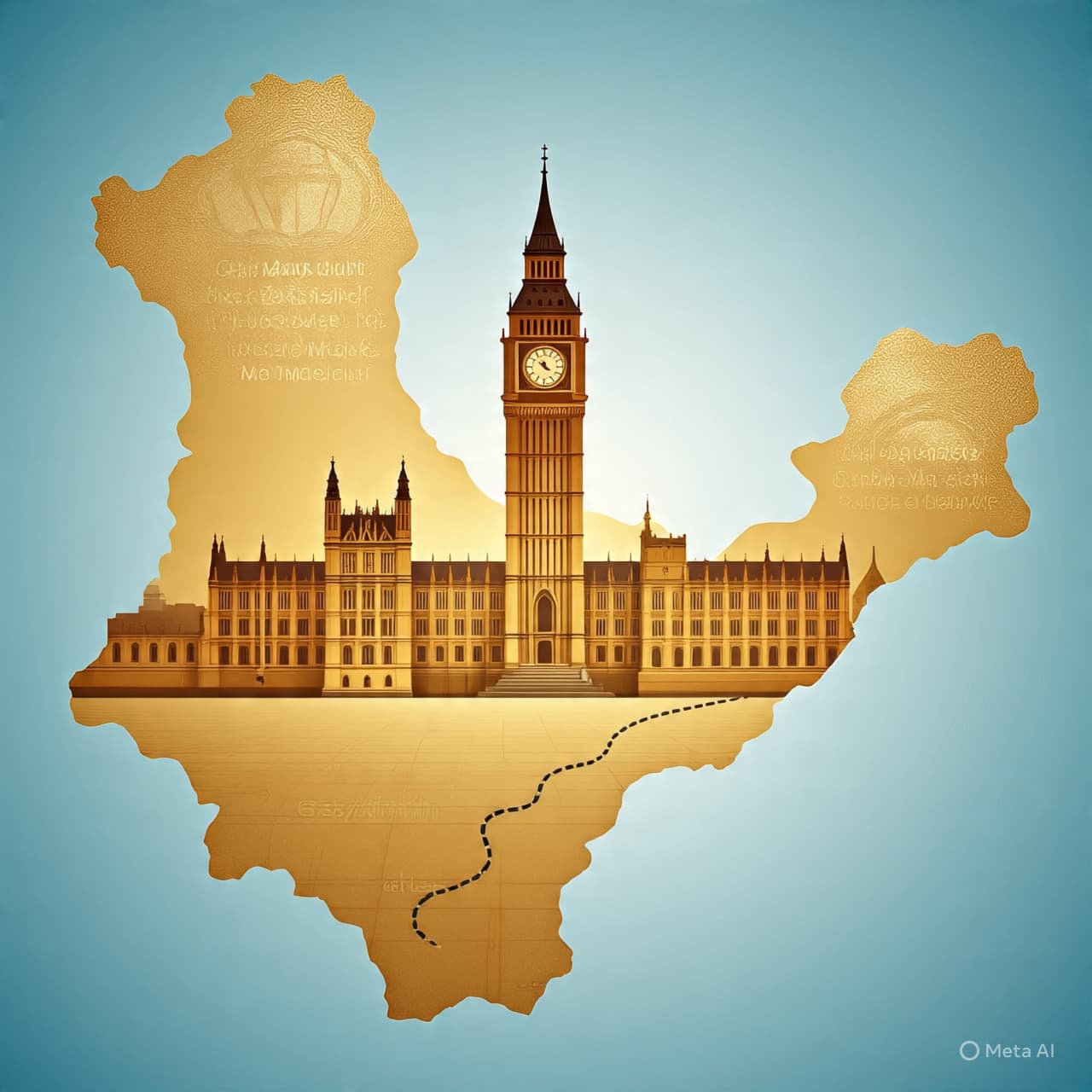
AI Image Disclaimer (rotated wording) “Visuals are created with AI tools and are not real photographs.”
Credible sources found Reuters – main report on Burnham being blocked by Labour’s NEC. The Guardian – detailed analysis of internal Labour reaction. Financial Times – broader political context. AP News – overview of aftermath and tensions. BBC / commentary by Chris Mason – framing the saga as part of broader leadership drama.
Published by Banx Network. This article is part of the Banx decentralized media programme, powered by the BXE token on the XRP Ledger.