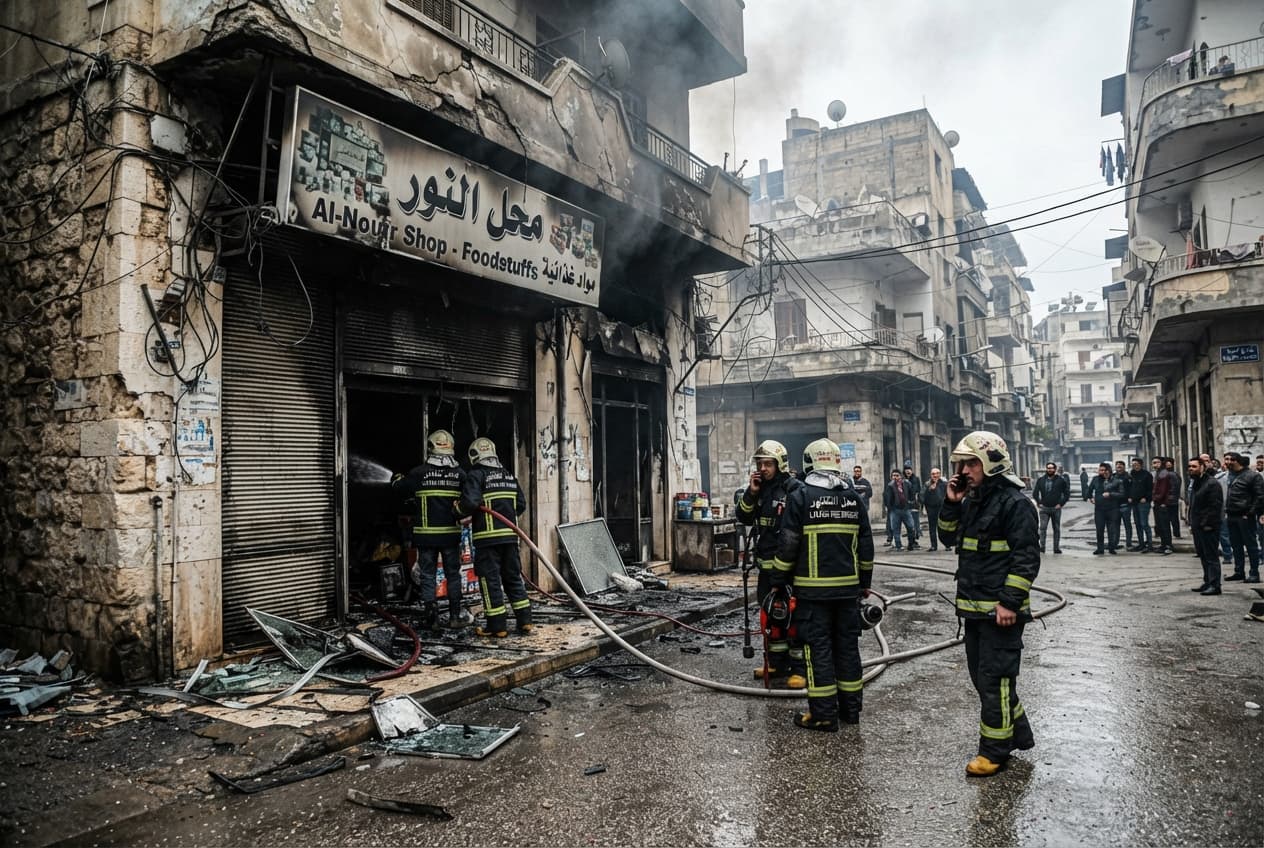
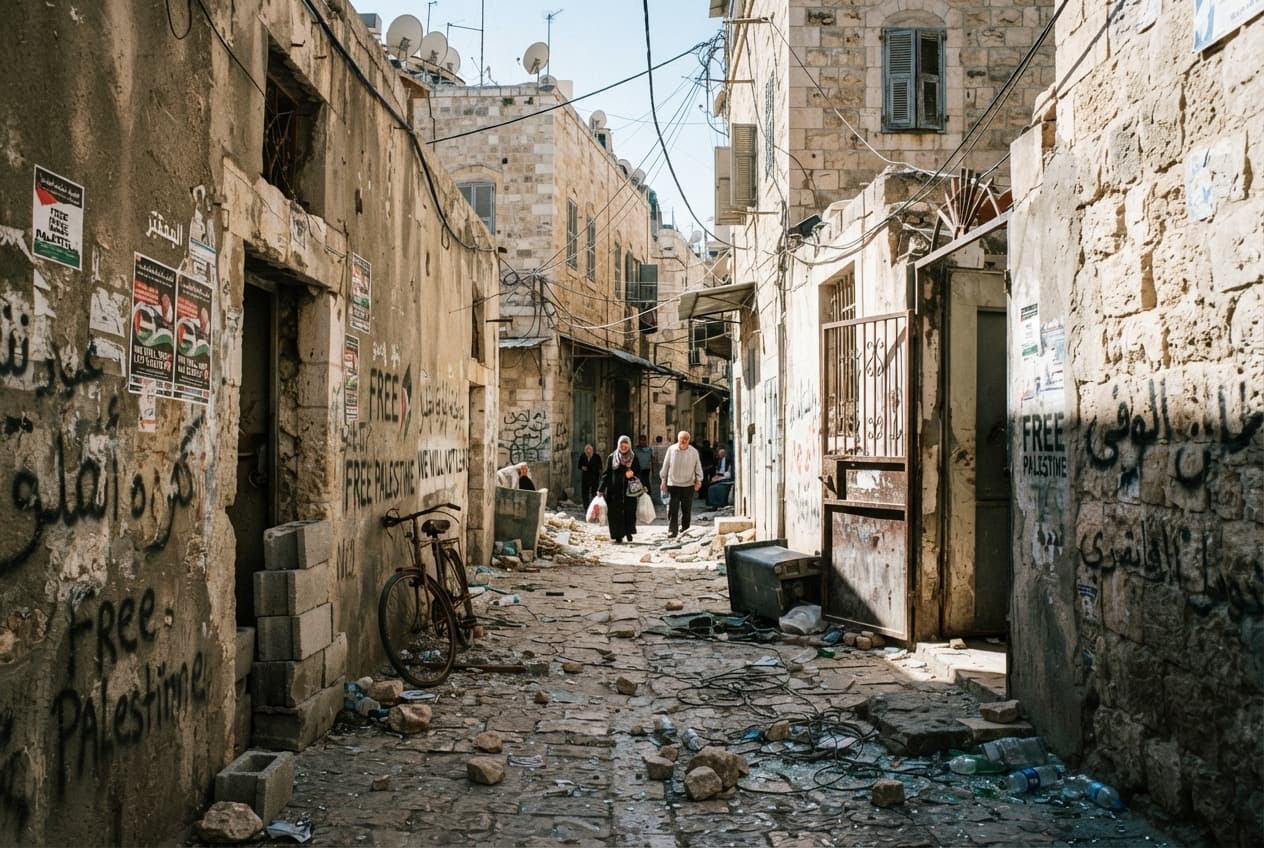
In the narrow alleys of urban barangays and the quiet stretches of provincial towns, a generation has grown up in the long shadow of a campaign once framed as a war on crime. During the presidency of Rodrigo Duterte, the government’s anti-drug crackdown reshaped communities across the Philippines — not only through arrests and killings, but through the quieter aftermath borne by children.
Officially launched in 2016, the so-called “war on drugs” was defended by Duterte as a necessary response to narcotics-related crime. Police operations and vigilante-style attacks, however, left thousands dead, according to both government figures and independent monitors. Human rights organizations, including Human Rights Watch and Amnesty International, documented allegations of extrajudicial killings and patterns of abuse. Authorities have consistently rejected claims of systematic wrongdoing, maintaining that police acted in self-defense during legitimate operations.
For children, the campaign’s impact extended beyond statistics. Some witnessed the killing of a parent. Others experienced the sudden disappearance of a breadwinner, thrusting families into financial precarity. In neighborhoods where operations unfolded at night, the sound of gunshots became part of childhood memory.
Psychologists and social workers have pointed to trauma symptoms among affected youth: anxiety, sleep disturbances, behavioral changes, and distrust of institutions. In households where a parent was accused of drug involvement — whether proven or alleged — stigma compounded grief. Classrooms became spaces where silence replaced normal conversation, where peers knew but did not ask.
Community groups and church networks attempted to fill gaps, offering counseling, financial aid, and informal mentoring. Yet resources often fell short of need. The effects of trauma are rarely confined to a single event; they reverberate over years, shaping educational outcomes, relationships, and mental health.
The campaign also altered the civic landscape. Critics argue it normalized a rhetoric of lethal force, influencing how children understand authority and justice. Supporters contend it restored order to neighborhoods long plagued by crime. The debate remains deeply polarized, dividing public opinion even after Duterte left office in 2022.
International scrutiny followed the crackdown. The International Criminal Court authorized an investigation into alleged crimes against humanity linked to anti-drug operations. The Philippine government has challenged the court’s jurisdiction, asserting sovereignty and disputing accusations.
For many families, however, accountability is less abstract than immediate survival. Children who lost parents navigate adolescence with altered trajectories — some stepping into adult responsibilities early, others struggling to reconcile personal memories with political narratives.
In barangay halls and modest living rooms, framed photos remain — reminders of lives interrupted. The question facing the country is not only how to assess a controversial chapter of governance, but how to support those who inherited its consequences without ever choosing it.
As the Philippines reflects on the legacy of its anti-drug campaign, the most enduring measure may not be arrest counts or crime rates, but the wellbeing of a generation shaped by fear, loss, and resilience.
AI Image Disclaimer
Illustrations are AI-generated representations and do not depict real individuals or specific events.
Sources
Human Rights Watch
Amnesty International
International Criminal Court
Published by Banx Network. This article is part of the Banx decentralized media programme, powered by the BXE token on the XRP Ledger.