

Key Highlights
- Three journalists were killed in Gaza while documenting humanitarian efforts.
- The incident occurred during a fragile ceasefire, raising concerns about press safety.
- Calls for accountability and investigation into the circumstances of their deaths have emerged.
In the ongoing conflict in Gaza, the line between documenting history and becoming part of it has tragically blurred once again. This week, three journalists lost their lives while working to capture the humanitarian efforts in a region fraught with danger. Abed Shaat, Mohammad Qeshta, and Anas Ghneim were killed when Israeli fire struck their vehicle in central Gaza, according to local officials and humanitarian groups.
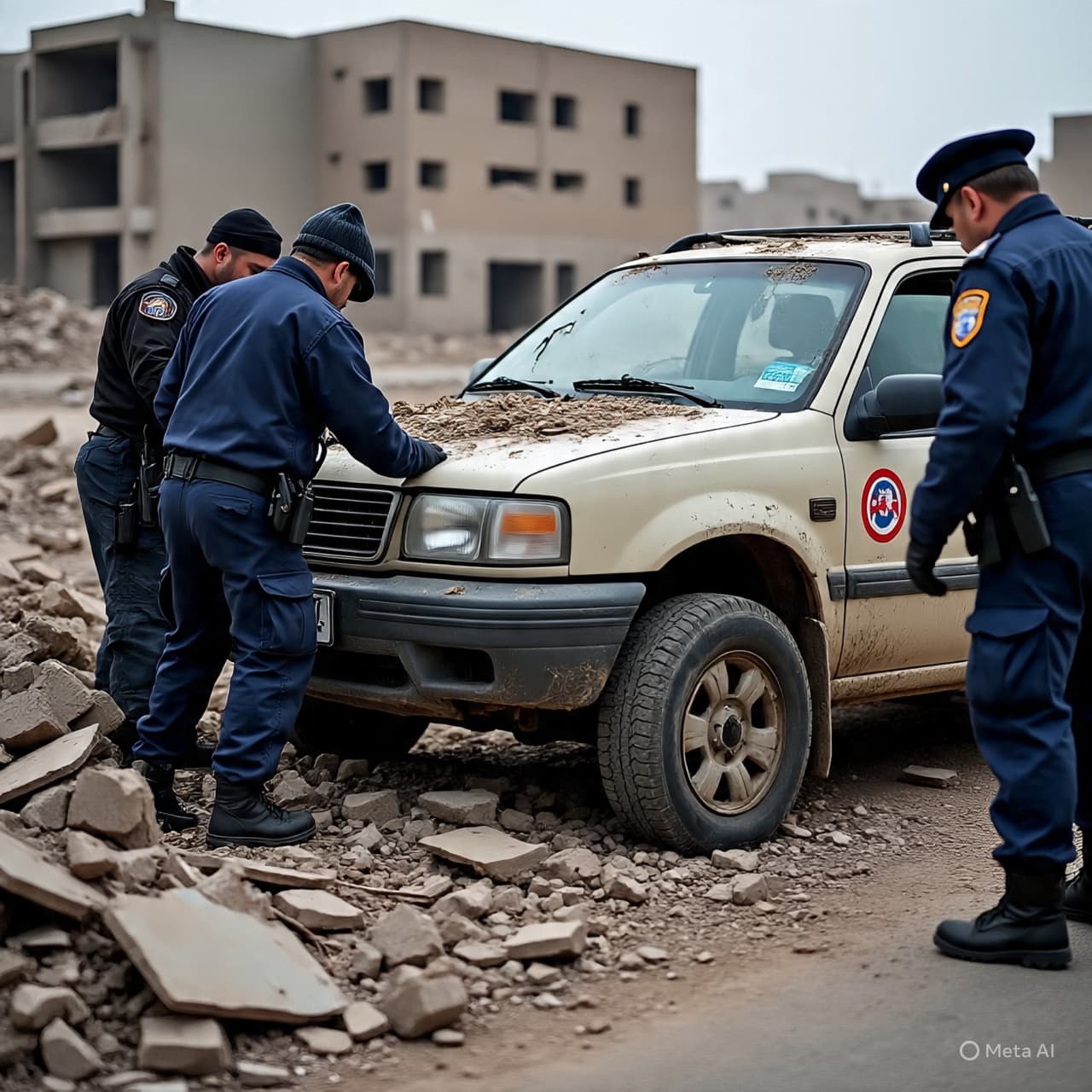
The Palestinian health ministry reported that the journalists were in a marked vehicle, on their way to cover Egyptian relief operations, when the attack occurred. Shaat, a freelance cameraman known for his dedication to telling stories amid chaos, along with Qeshta and Ghneim, both seasoned journalists, were committed to shedding light on the realities faced by civilians in conflict zones.
The Committee to Protect Journalists (CPJ), an independent organization advocating for press freedom, has called for a thorough investigation into the incident. They emphasized that journalists must be afforded special protections under international law, as their work is crucial for providing context and understanding of the ongoing turmoil. The CPJ's statement reflects the urgent need for accountability in situations where the safety of journalists is compromised.
In response to the incident, Israeli military officials acknowledged the strike but claimed it targeted individuals believed to be involved in militant activities. They stated that assessments were ongoing, yet provided little detail about the circumstances surrounding the attack. This lack of transparency is a common issue in conflict zones, where accountability often becomes obscured amid the chaos of war.
The violence on Wednesday was not isolated to the deaths of the journalists. Reports from medics and local observers indicated that Israeli fire also resulted in civilian casualties, including children, highlighting the precarious nature of the ceasefire that has been in place but remains vulnerable to escalation. This tragic event underscores the risks faced by journalists who venture into dangerous territories to report on the human cost of conflict.
As the world reacts to this loss, there are renewed calls for measures to better protect journalists and civilians in conflict areas. The intersection of narrative and national security continues to complicate the reporting landscape, but the voices of health officials, press organizations, and international agencies are crucial in piecing together the broader picture. The deaths of Shaat, Qeshta, and Ghneim serve as a stark reminder of the sacrifices made by those who seek to document the truth in the face of adversity, and their absence will resonate deeply within the communities they served and the global discourse they contributed to.
Published by Banx Network. This article is part of the Banx decentralized media programme, powered by the BXE token on the XRP Ledger.




