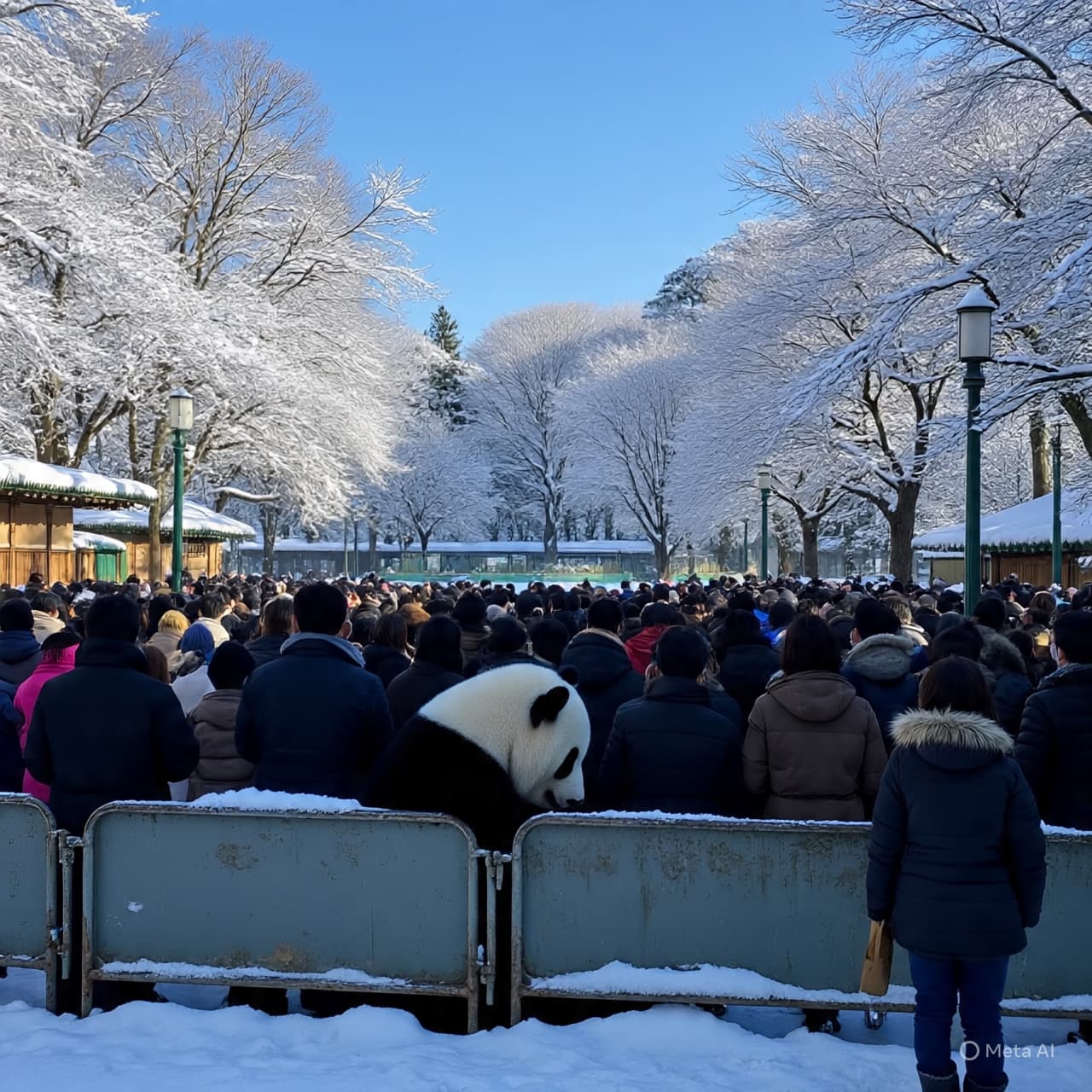
In early February, Tokyo’s Ueno Zoo will fall quietly into a kind of stillness it has never known in more than half a century. For generations of visitors, the sight of black-and-white shapes munching bamboo became as familiar as seasonal festivals, a comfort and a symbol that transcended cages and crates. But those gentle creatures—twins named Xiao Xiao and Lei Lei—are now preparing for the long flight home, their departure marking both an end and an unexpected beginning in the story of what was once called panda diplomacy.
For more than 50 years, China’s practice of loaning giant pandas to other nations was a soft bridge across international waters, a way to offer friendship without treaties and warm affection without speeches. In 1972, pandas first arrived in Japan to celebrate the normalization of relations between Beijing and Tokyo, and few could have guessed that these animals would become living ambassadors, beloved by children and adults alike.
This winter, however, the rhythm has shifted. The twin pandas, born at Ueno in 2021 but technically on loan from China, will soon leave the city that embraced them. Their departure comes amid a period of simmering diplomatic tension between Tokyo and Beijing, especially around political issues in East Asia that have made conversations between the two governments more fraught than in recent years.
At the zoo gates, the crowd waiting for their last moments with the bears was a mix of quiet admiration and gentle disbelief. Thousands showed up during the final public viewing days, some clutching panda-shaped toys, others simply gazing at the slow, deliberate movements of animals who had unwittingly become icons. Many visitors spoke of the pandas not as political symbols, but as companions—creatures whose slow steps and steady appetite offered, for a time, a refuge from the world’s harsher news.
Yet in the corridors of diplomacy, the absence of these animals carries a distinct note. China maintains ownership of all giant pandas worldwide and controls their placement as a form of soft power. Requests from Japan to receive new pandas were not granted, a sign that the age-old tradition of panda exchange may be fading, at least for now.
For zoo staff, the farewell has involved not only logistical care but emotional gratitude. The twins’ life in Tokyo brought joy to visitors and staff alike, and the memory of their slow, inquisitive gazes will linger long after their crates have closed. Much like leaves that fall and return in their own season, these pandas head back to the forests and conservation centers of China, where they will reunite with family and continue their species’ story.
That this moment arrives at a time of political strain does not diminish its resonance among everyday people. If anything, the emotional farewell underscores how certain bonds—between animals and humans, between hearts and shared experiences—can transcend politics even as they are shaped by it. In Tokyo, long after the pandas have departed, their memory will remain a soft echo of what once bridged nations and, for a moment, invited all of us simply to smile.
AI Image Disclaimer Visuals are created with AI tools and are not real photographs.
Listed Sources The Guardian Reuters Associated Press (AP) Japan Times inkl News
Published by Banx Network. This article is part of the Banx decentralized media programme, powered by the BXE token on the XRP Ledger.