Evening often settles slowly over Washington. The marble buildings soften under the fading light, and the long avenues begin to empty as the day’s official routines drift toward quiet. Yet in moments of international tension, words spoken here can travel quickly—across oceans, across deserts, across the fragile lines that separate diplomacy from confrontation.
This week, the language surrounding the escalating conflict between the United States, Israel, and Iran took on a sharper edge. Speaking publicly about the ongoing war, former U.S. President Donald Trump described Iran as the “loser of the Middle East,” pairing the remark with a warning that the United States could launch a “very big strike” if Iranian actions continue to threaten American forces or allies.
The statement arrived at a time when the region is already moving through a cycle of military escalation. Airstrikes carried out by Israel—alongside operations coordinated with the United States—have targeted a range of Iranian military facilities, missile infrastructure, and energy-related sites. In response, Iran has launched missiles and drones toward Israeli territory and toward U.S.-linked military locations across the Gulf.
In such moments, rhetoric becomes part of the strategic landscape. Words spoken by leaders are rarely isolated; they move alongside aircraft deployments, naval patrols, and defensive preparations. When Trump described Iran in dismissive terms while warning of a potential large-scale strike, the message was aimed both outward and inward: signaling resolve to allies while attempting to shape the calculations of an adversary.
The language also reflects a broader shift in tone that has accompanied the widening conflict. Earlier diplomatic efforts had often relied on cautious phrasing—references to “de-escalation,” “regional stability,” and “measured responses.” Now, the vocabulary has grown more direct, mirroring the intensity of events unfolding across the region.
Military analysts note that the threat of a major strike does not necessarily mean immediate action. In many conflicts, such warnings function as strategic pressure, designed to deter further attacks or encourage restraint without immediately committing to escalation. Yet even as a signal, such statements can ripple outward through the already tense political environment of the Middle East.
Across the region, governments are watching closely. Gulf states have increased security around oil facilities and military bases, while air defense systems remain on heightened alert after recent missile and drone exchanges. Commercial airlines continue to adjust flight paths across contested airspace, and naval patrols maintain a careful watch over shipping routes that carry a significant share of the world’s energy supply.
For Iran, the war has already entered a stage where endurance is part of the strategy. Officials have said the country is prepared for a prolonged conflict, suggesting that the current confrontation could extend for months if necessary. Such statements underscore the likelihood that neither side expects the crisis to resolve quickly.
Amid this atmosphere, the language of leaders becomes another front in the conflict—a way of projecting strength, shaping narratives, and influencing the uncertain path ahead. Each phrase travels beyond the moment it is spoken, echoing through diplomatic channels, military planning rooms, and the headlines that carry it across the world.
Meanwhile, the region itself continues its daily rhythms beneath the shadow of tension. Markets open, ships cross narrow straits, and cities move through their ordinary routines. Yet above these familiar patterns lies an awareness that the next shift in the conflict may arrive not only through aircraft or missiles, but through the words that precede them.
For now, the war remains defined by both action and anticipation. Strikes continue, responses follow, and the language surrounding them grows sharper with each passing day—reminding the world that in modern conflict, words often travel alongside weapons.
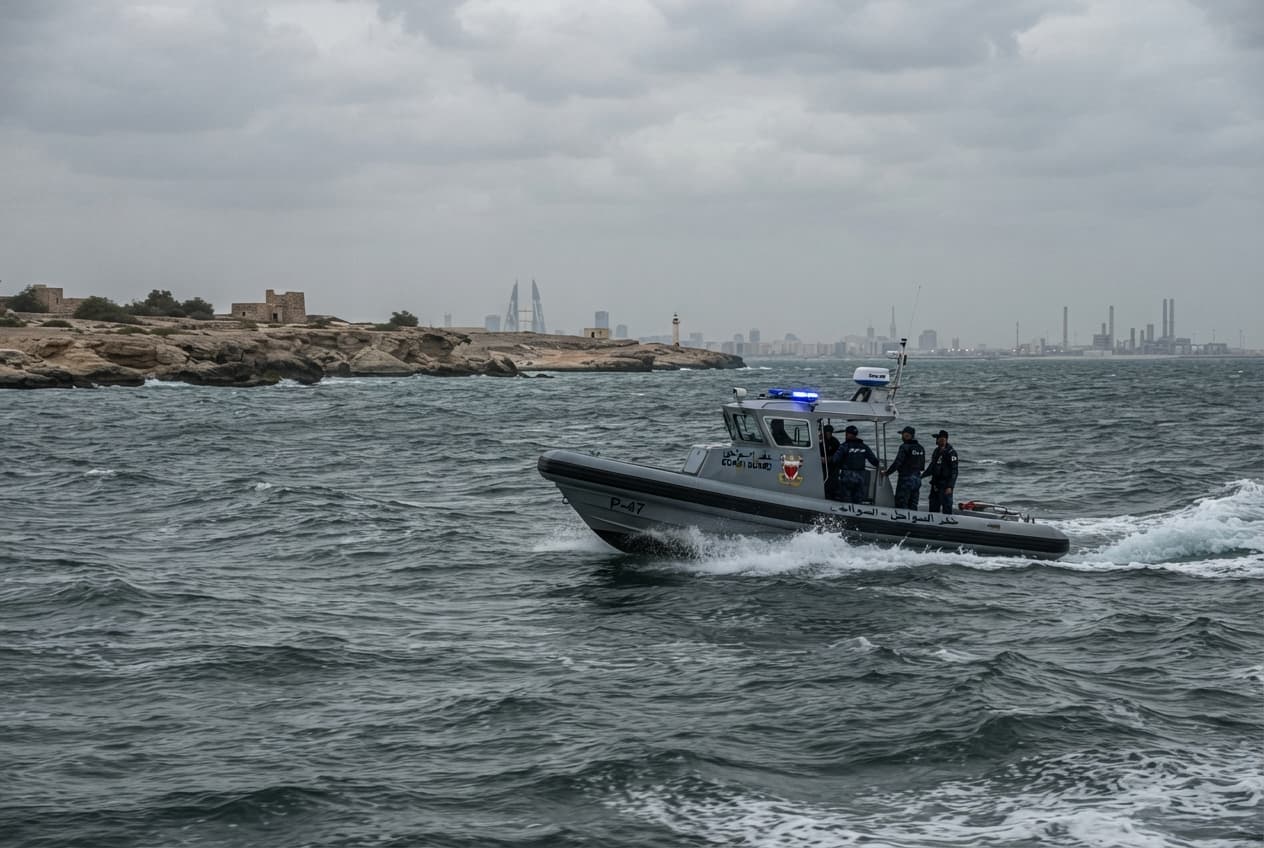
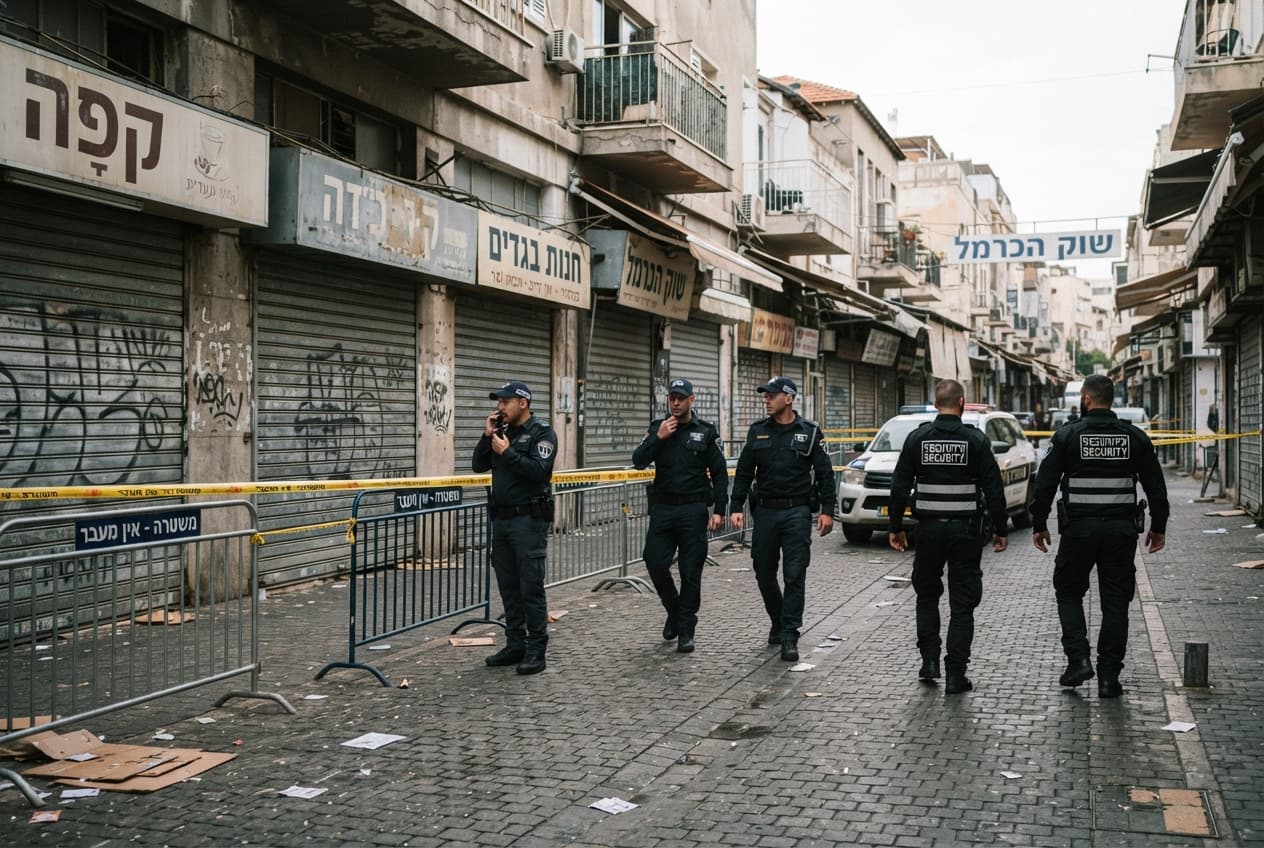
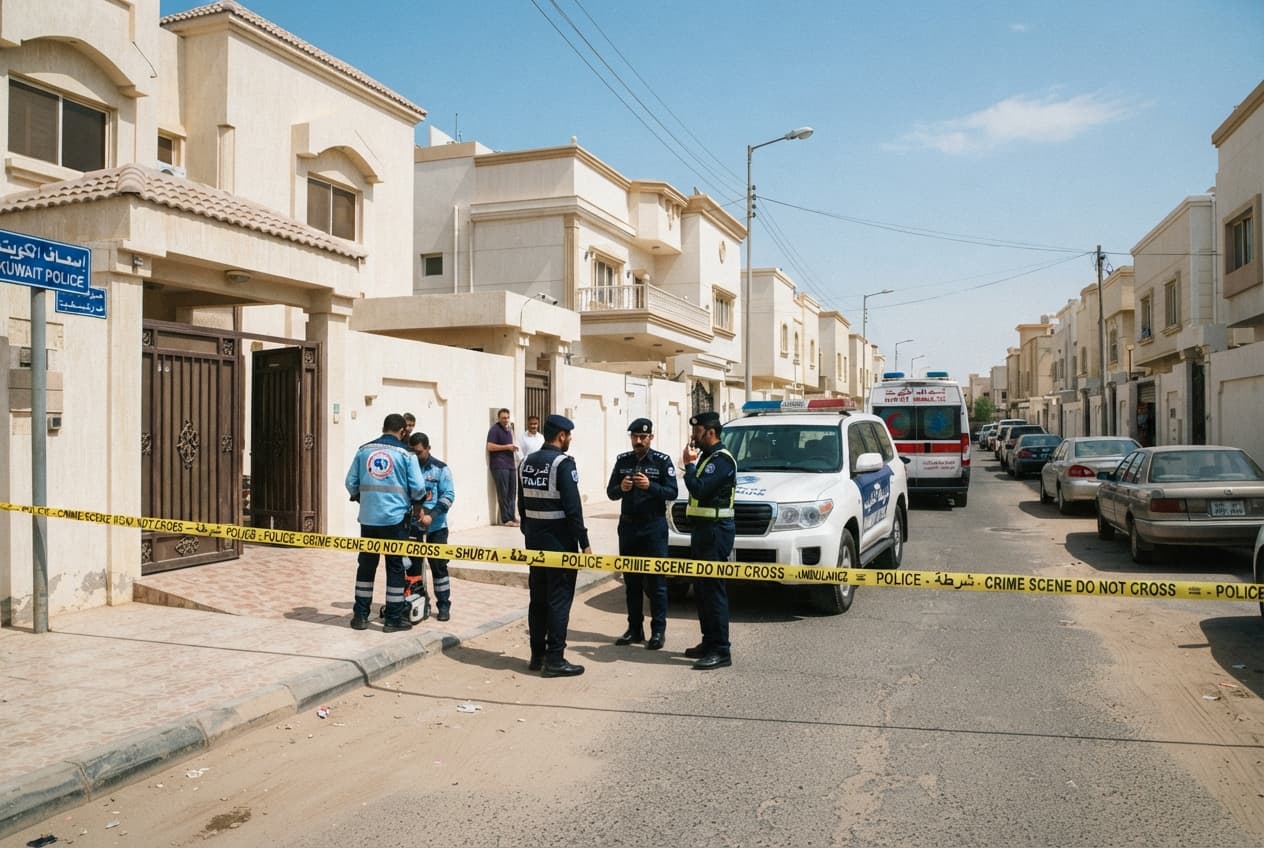
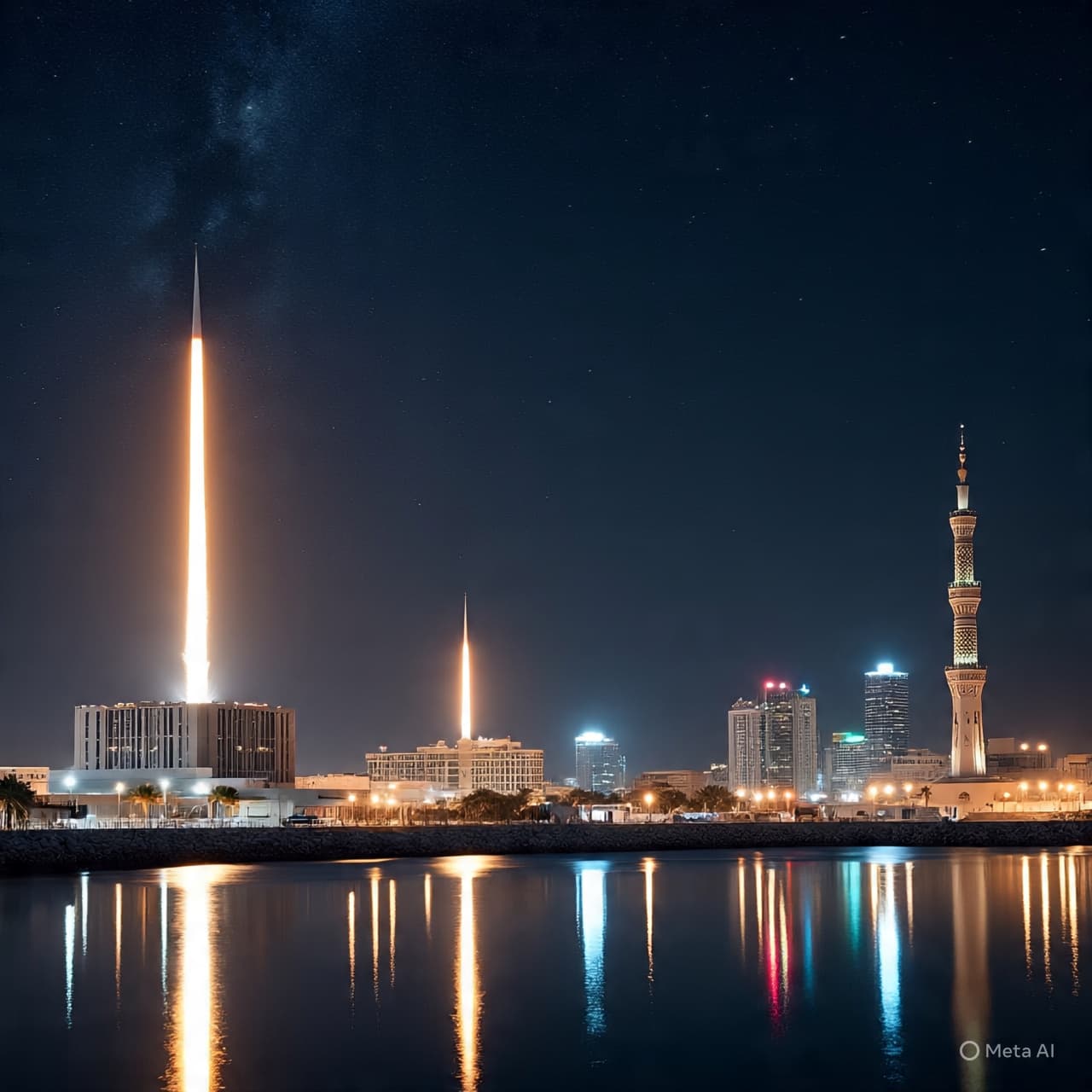
AI Image Disclaimer Images are AI-generated and intended for visual illustration only.
Sources Reuters Associated Press BBC News Al Jazeera Bloomberg
Published by Banx Network. This article is part of the Banx decentralized media programme, powered by the BXE token on the XRP Ledger.