In the slow symphony of our cosmic neighborhood, there are moments when a distant wanderer drifts a little closer, like a storyteller drawing near a campfire to share an aeons‑old tale. Tomorrow, on February 17, 2026, that quiet storytelling resumes as Comet C/2024 E1 Wierzchos makes its closest mathematical dance with Earth, a gentle reminder that even the far reaches of our solar system now and then brush against our view. There is a kind of quiet poetry in recognizing these celestial visitors — ice and dust carried in vast, looping orbits, crossing the deep night and whispering of ancient times.
Discovered in March 2024 by Polish astronomer Kacper Wierzchoś, this comet hails from the distant Oort Cloud, a vast sphere of icy debris orbiting at the edge of our Sun’s domain. Its elongated, near‑hyperbolic path suggests this may be a once‑in‑a‑few‑million‑years visit, a fleeting grace note in humanity’s long record of skywatching. On January 20, 2026, the comet made its closest approach to the Sun, brightened by solar heat that stirred its frozen gases into a luminous coma and tail. Now, as it drifts farther from our star, it draws nearest to Earth — about 151 million kilometers away, roughly the same separation between Earth and the Sun.
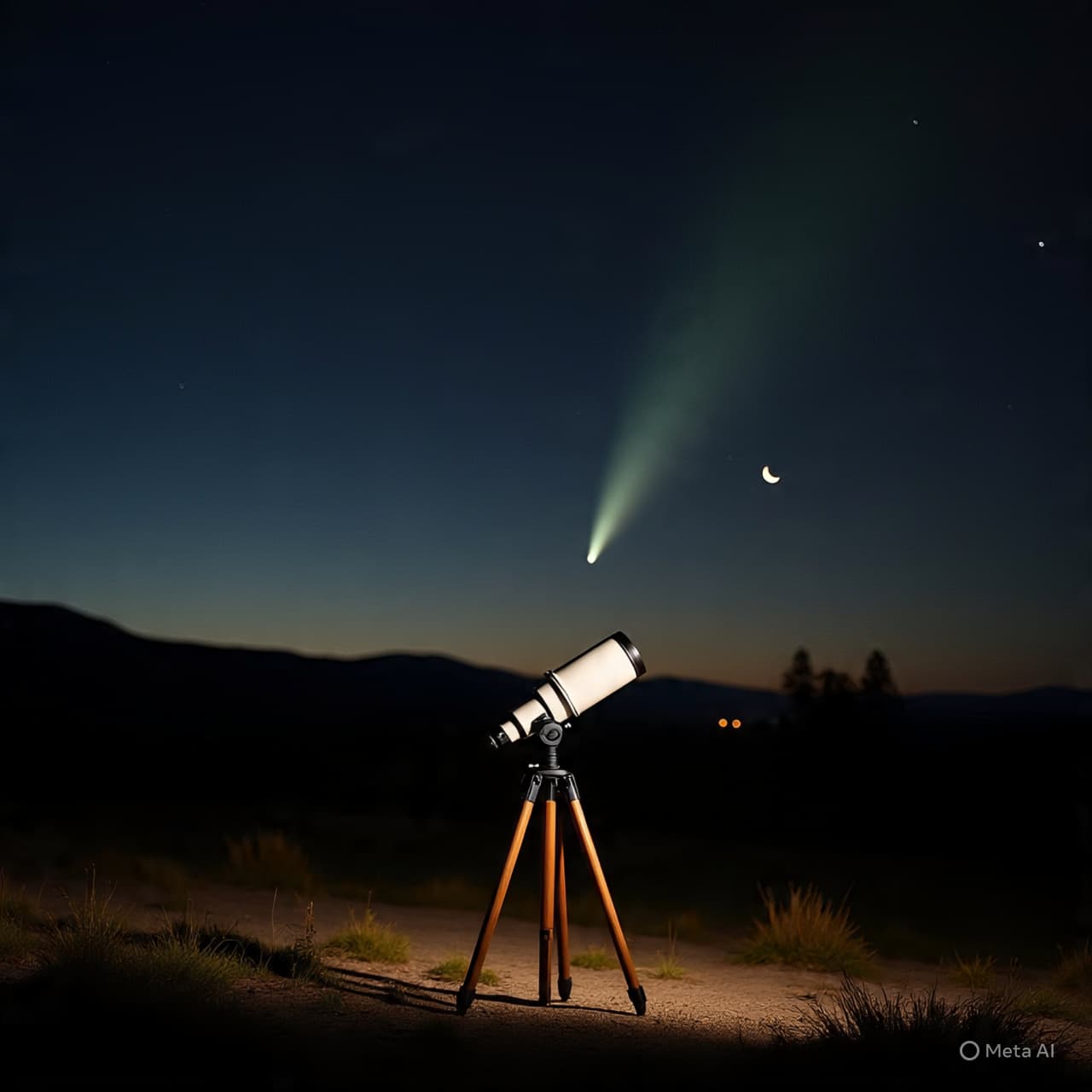
For many, seeing this visitor will require more than keen eyesight. With an apparent brightness around magnitude +7 to +8, the comet is fainter than what the unaided eye can typically detect, even under dark skies. Only those with binoculars or a small telescope may glimpse its greenish glow and feathery tail against the evening sky, particularly in the Southern Hemisphere or near the southwestern horizon at dusk for observers in mid‑northern latitudes. There is no danger posed to Earth by this icy interloper — it merely passes on its long journey, a silent traveler retracing ancient paths before heading back toward the cold depths of space.
As twilight deepens on February 17, astronomers and enthusiasts alike may tilt their eyes upward, telescopes poised, hearts curious. Because even if the comet doesn’t blaze brightly, its quiet passage reminds us of the universe’s slow, poetic rhythms — those cycles of light and shadow that unfold beyond the cadence of our everyday concerns. In such moments, we are invited not just to look, but to wonder.
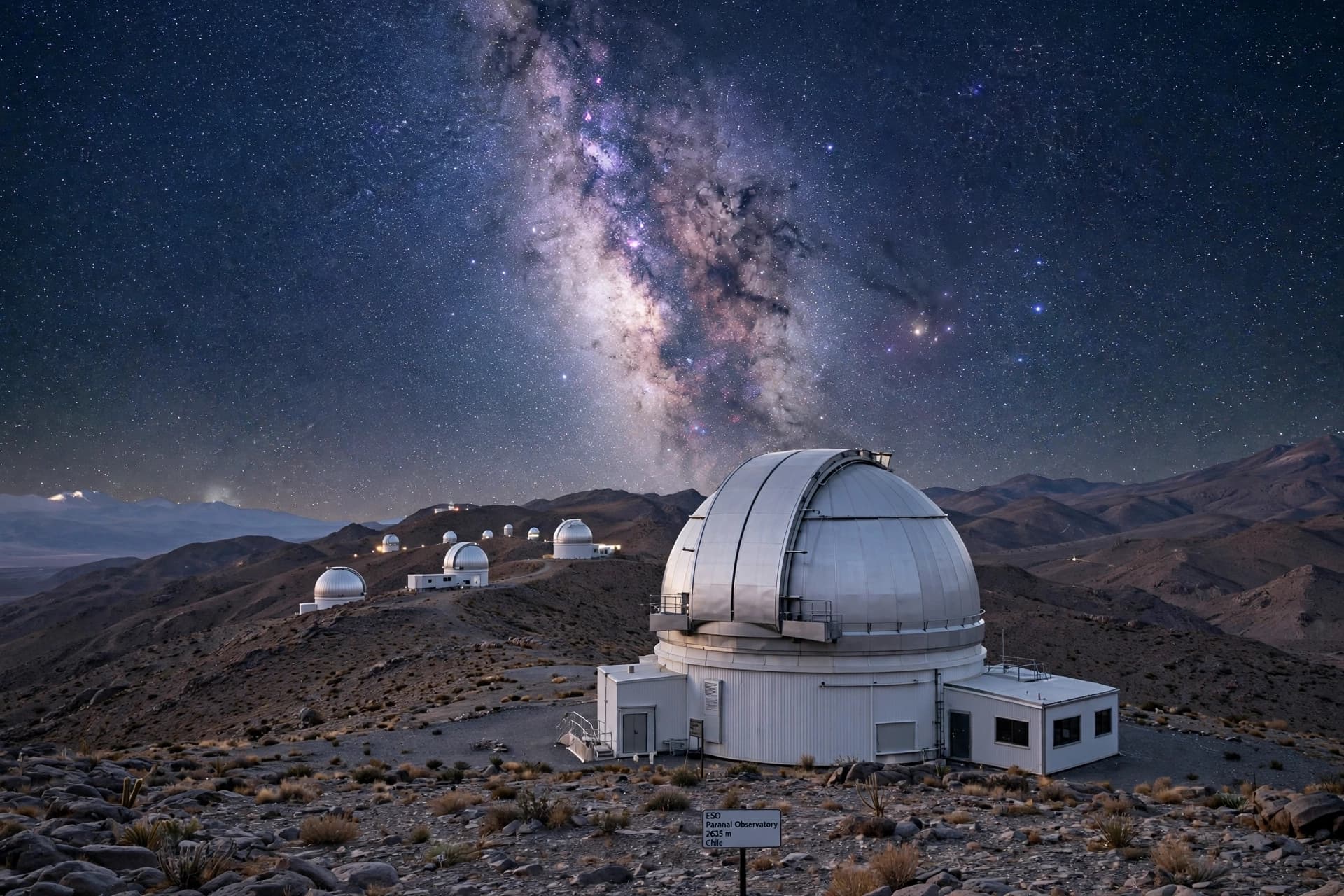
AI Image Disclaimer Visuals are created with AI tools and are not real photographs, intended for concept only.
Sources (credible media):
Space.com Live Science EarthSky (community science) Sky & Telescope Newsbytes App
Published by Banx Network. This article is part of the Banx decentralized media programme, powered by the BXE token on the XRP Ledger.