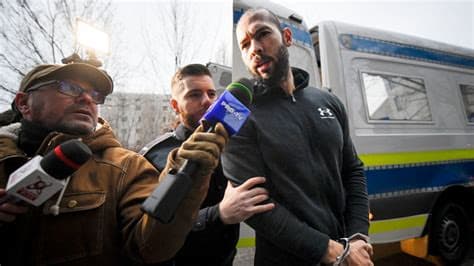
There are moments in geopolitics when a single event refracts wide into the international order, not with the blunt shock of battle drums, but with the reflective alarm of unwelcome precedent. This is how Brazil’s government has framed its response to the U.S. military operation in Venezuela — a dramatic intervention that resulted in strikes on Venezuelan territory and the capture of President Nicolás Maduro. Brazilian leaders, led by President Luiz Inácio Lula da Silva, say that what happened is not merely a shift in tactics but a signal that could ripple across sovereign borders and international norms.
On Saturday, Brazil’s president took to social media to condemn the U.S. assault as having “crossed an unacceptable line” — an action that he described as a “grave affront” to Venezuelan sovereignty and a “very dangerous precedent for the entire international community.” Lula urged a “vigorous” response from the United Nations and reiterated Brazil’s preference for dialogue and cooperation over force.
At the heart of Brazil’s concern is the notion that military intervention by one state in the territory of another — outside clearly defined international mandates — can weaken long-standing principles of sovereignty and peaceful coexistence. In a region shaped by a complex history of foreign intervention and internal conflict, the Brazilian government’s reaction reflects a deep sensitivity to actions that may shift unwritten boundaries of acceptable conduct between nations.
Brazil’s stance is echoed in broader international responses. The United Nations Secretary-General called the strikes a “dangerous precedent,” potentially at odds with the U.N. Charter and international law. Other countries, including Russia and China, also condemned the U.S. intervention, framing it as a violation of sovereignty and a troubling escalation of unilateral action in regional affairs.
Within Latin America, reactions are divided along familiar lines of ideology and diplomatic postures. Some leaders have voiced alarm, warning that such interventions could destabilize regional peace and undermine mechanisms for peaceful dispute resolution. Others have cautiously emphasized the need to balance concerns over governance in Venezuela with respect for established international norms.
For Brazil, the issue is not merely rhetorical; it ties into longstanding commitments to multilateralism and the rule of law. Brasília has offered itself as a potential mediator in past tensions with Venezuela, advocating negotiation over coercion and stressing that challenges between sovereign states are best resolved through collective and peaceful channels.
As global reactions continue to unfold, Brazil’s sharp criticism underscores how U.S. military actions — even when justified by Washington in terms of security or justice — can reshape diplomatic contours and provoke calls for reaffirmation of international legal standards. Whether the debate will lead to concrete multilateral responses or a reset in regional relations remains uncertain, but Brazil’s warning about dangerous precedent has already entered the broader geopolitical conversation.
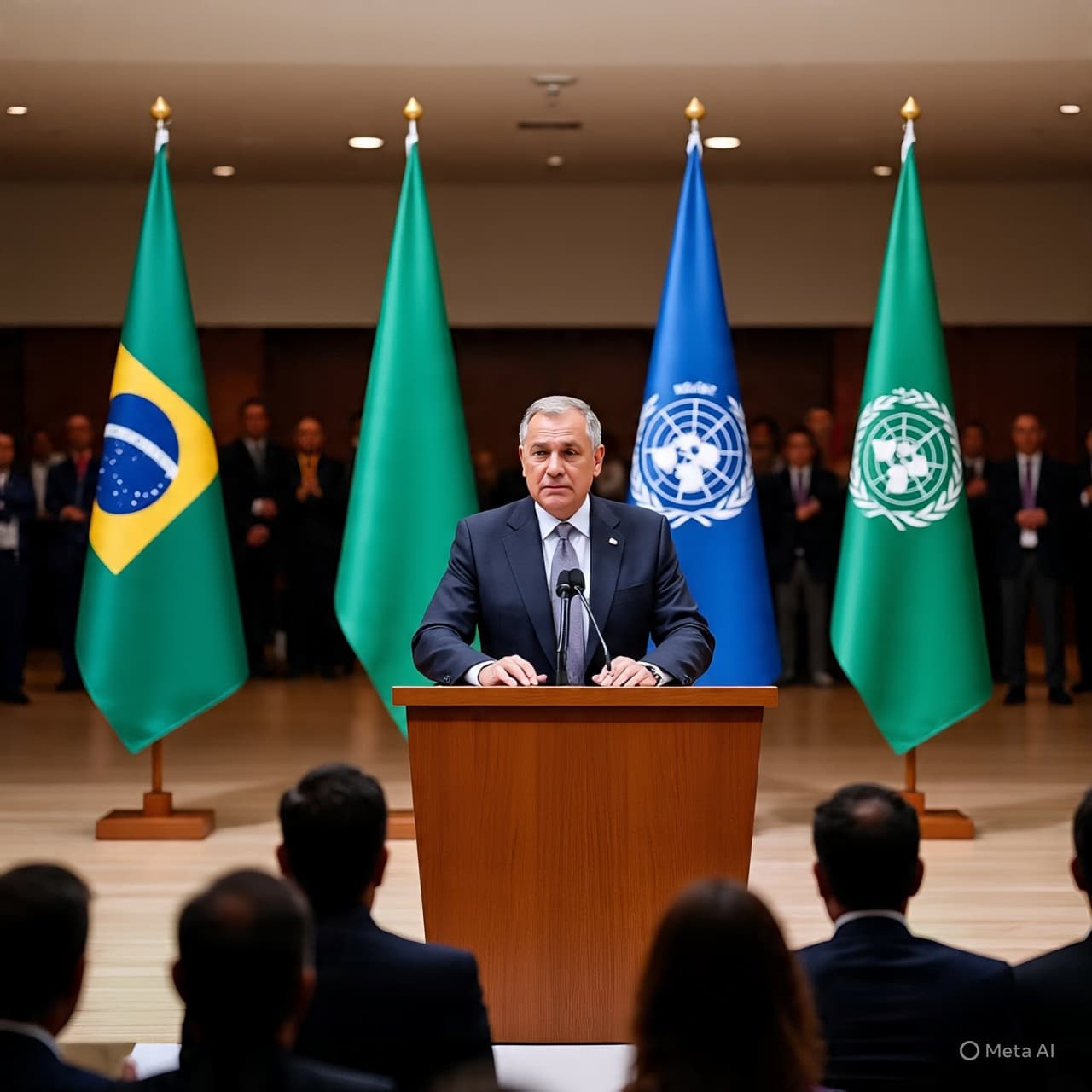
AI Image Disclaimer Visuals are AI-generated illustrations intended for representation and conceptual reference, not actual photographs.
Sources Reuters The Wall Street Journal (live coverage) CNN Brasil Reuters / UN reaction news The Guardian / global reaction coverage
Published by Banx Network. This article is part of the Banx decentralized media programme, powered by the BXE token on the XRP Ledger.