Key Highlights
- Historic buildings at 1600 and 1618 East Colfax face demolition after a fire.
- The decision follows a lengthy debate among stakeholders about preservation versus development.
- The buildings were part of Denver’s Wyman Historic District, reflecting the city’s architectural heritage.
The quiet streets of Denver often hold stories that echo through time, particularly along East Colfax Avenue, where the remnants of history stand as witnesses to the city’s evolution. Two notable structures at 1600 and 1618 East Colfax, once vibrant parts of the Wyman Historic District, are now facing demolition nearly two years after a devastating fire. This event has sparked a significant conversation about the balance between preserving the past and accommodating the needs of a growing urban landscape.
In March 2024, a fire severely damaged the building at 1600 East Colfax, leading to a prolonged period of vacancy and decay. The fate of these historic buildings became a contentious issue, drawing in property owners, preservation advocates, city officials, and local residents. The discussions surrounding their future were marked by a series of meetings and appeals, reflecting the community's divided sentiments about the structures' significance.
For many, these buildings represent more than mere bricks and mortar; they are symbols of Denver’s rich architectural history, dating back to the early 20th century. They embody the cultural memory of a time when East Colfax was a bustling corridor of homes and businesses. However, others viewed the buildings as blighted properties that posed safety risks, contributing to a growing desire for renewal in the area.
Pando Holdings, the owner of the properties, argued that the financial burden of restoring the buildings outweighed their potential value. After an initial denial from the city’s Landmark Preservation Commission regarding demolition, the case was revisited under economic hardship grounds. This legal pathway allowed for the removal of the structures, acknowledging the financial realities of rehabilitation in a landscape of rising construction costs.
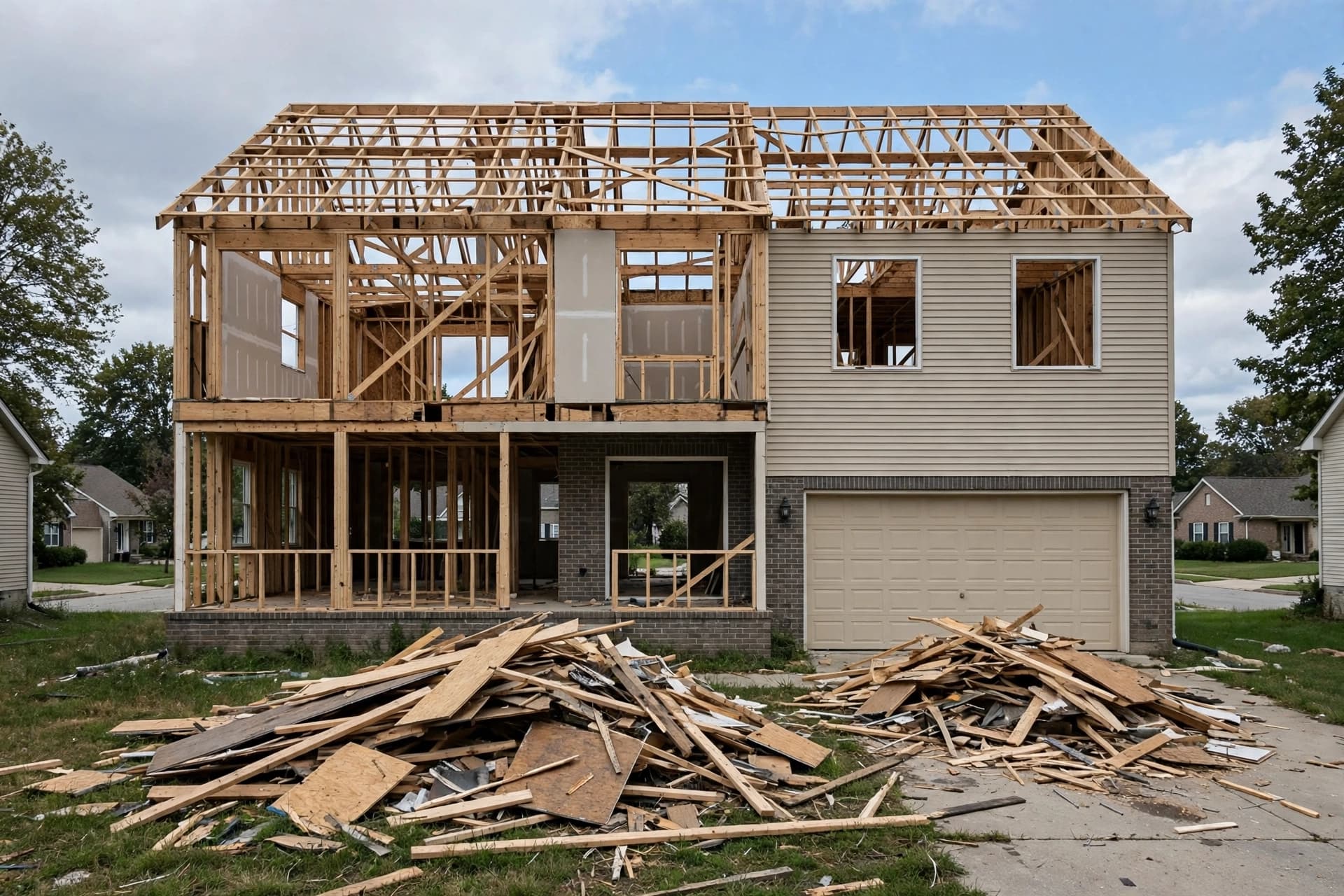
As the demolition process began in early 2026, onlookers witnessed not just the physical dismantling of the buildings but also a poignant reflection on the nature of urban change. The act of demolition was seen by some as a necessary step towards progress, while others lamented the loss of historical context that these buildings provided. The quiet lowering of walls into waiting dumpsters served as a metaphor for the city’s ongoing transformation, a gentle farewell to a chapter of its history.
The absence of these historic buildings will likely create a subtle void in the fabric of East Colfax, a reminder of the delicate balance between heritage conservation and the demands of modern development. As the city continues to evolve, the stories of what once stood will linger in the memories of those who walked these streets, echoing the complexities of urban life and the narratives that shape our communities.
Published by Banx Network. This article is part of the Banx decentralized media programme, powered by the BXE token on the XRP Ledger.