There are passages in the world that seem less like places and more like arteries—narrow, essential, and quietly burdened with the flow of global life. The Strait of Hormuz is one such passage, where the movement of oil becomes a language of interdependence, spoken daily by nations that may otherwise stand far apart. In such spaces, words spoken from afar can carry an unusual weight.
It is within this context that Donald Trump has reportedly told the United Kingdom and other countries to “go get your own oil” from the Strait of Hormuz, a remark that has drawn attention for both its tone and its implications. The statement, emerging amid heightened tensions in the region, reflects a perspective on global energy security that places emphasis on national responsibility rather than shared protection.
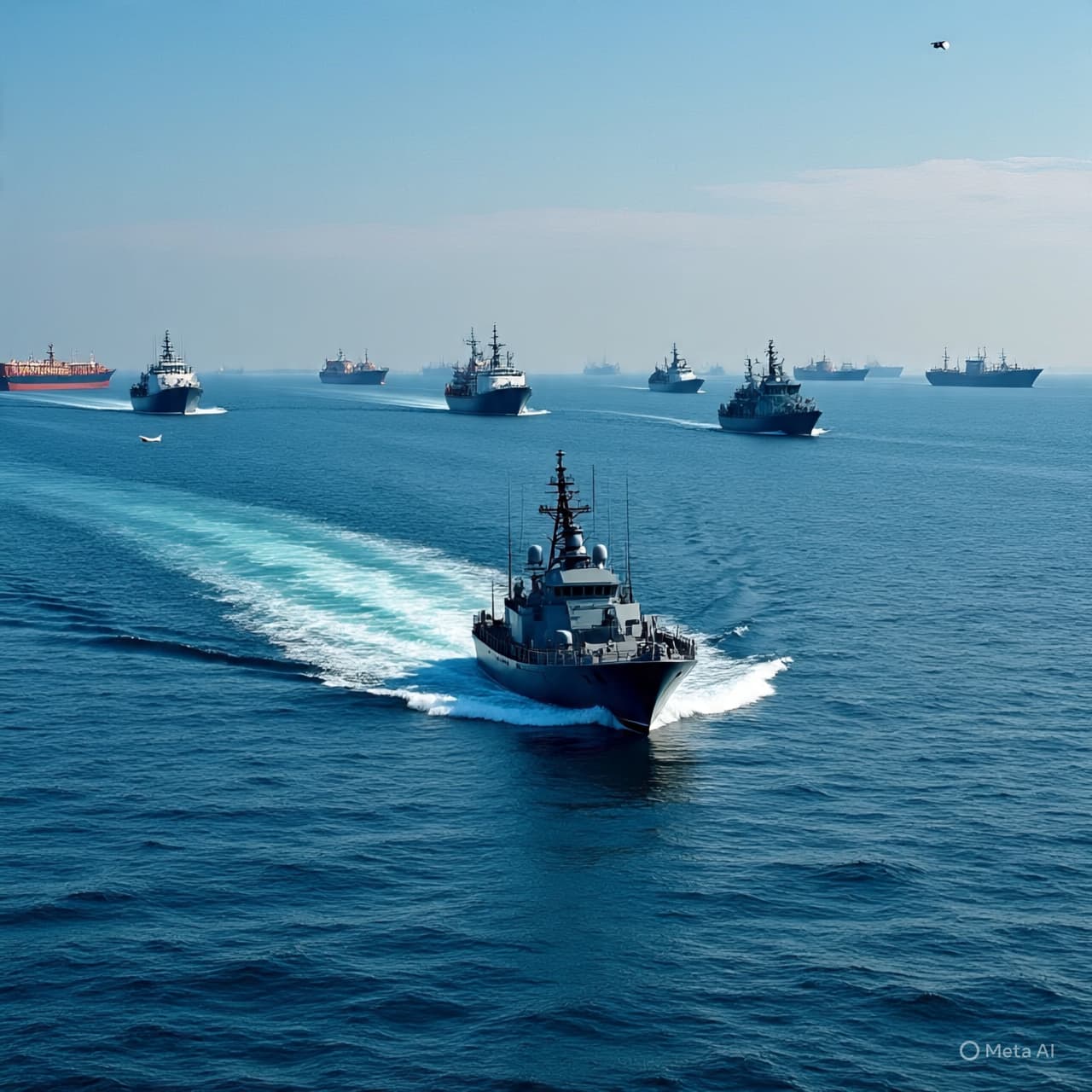
The Strait itself has long been recognized as one of the world’s most critical chokepoints for oil transport. A significant portion of global energy supplies passes through its narrow waters, making it a focal point for both economic activity and geopolitical concern. When tensions rise in the region, the stability of this passage becomes a matter of international interest, not confined to any single nation.
Trump’s remarks, as reported, suggest a recalibration of expectations—one in which allied nations may be encouraged to take a more direct role in securing their own energy routes. For some, this aligns with broader themes of burden-sharing and national autonomy. For others, it raises questions about the future of cooperative security arrangements that have historically underpinned stability in key regions.
The United Kingdom and other countries reliant on energy shipments through the Strait find themselves, in this framing, positioned within a shifting narrative. The idea of independently securing access to such a strategically sensitive route introduces both practical and diplomatic considerations. It is not simply a matter of logistics, but of coordination, resources, and the broader implications for international relations.
Observers note that statements like these often resonate beyond their immediate context, influencing how alliances and responsibilities are perceived. In a global system built on interconnected supply chains, the balance between national initiative and collective effort remains a central question—one that becomes more pronounced during periods of uncertainty.
At the same time, the realities on the ground—or rather, on the water—remain complex. Ensuring the নিরাপ flow of oil through the Strait involves a combination of naval presence, diplomatic engagement, and ongoing monitoring of regional dynamics. Any shift in approach would require careful consideration of these factors.
As discussions continue, the remarks serve as a reminder of how quickly the language of policy can intersect with the practicalities of global trade. They highlight the ongoing conversation about responsibility, cooperation, and the evolving nature of international partnerships.
For now, there has been no formal indication of immediate policy changes following the statement. Governments and officials are likely to continue assessing the situation as part of broader strategic considerations related to energy security and regional stability.
AI Image Disclaimer Images in this article are AI-generated illustrations, meant for concept only.
Source Check Credible coverage appears available from the following media outlets:
Reuters BBC News The Guardian CNN Al Jazeera
Published by Banx Network. This article is part of the Banx decentralized media programme, powered by the BXE token on the XRP Ledger.