

Key Highlights
- Iran has targeted Gulf infrastructure, escalating regional tensions.
- Israeli authorities confirm damage to industrial facilities amid ongoing strikes.
- Energy markets react cautiously to perceived risks from the conflict.
In a region where the horizon is often marked by both desert calm and distant uncertainty, recent military actions have reverberated beyond their immediate impact. Reports indicate that Iran has targeted an Israeli industrial zone for the third time, a development that is not merely an isolated incident but part of a broader pattern of escalating tensions in the Gulf. These strikes have reportedly extended beyond Israel, impacting critical energy infrastructure across the region, suggesting a strategic shift where economic lifelines—oil, gas, and industrial production—are becoming entangled with military signaling.
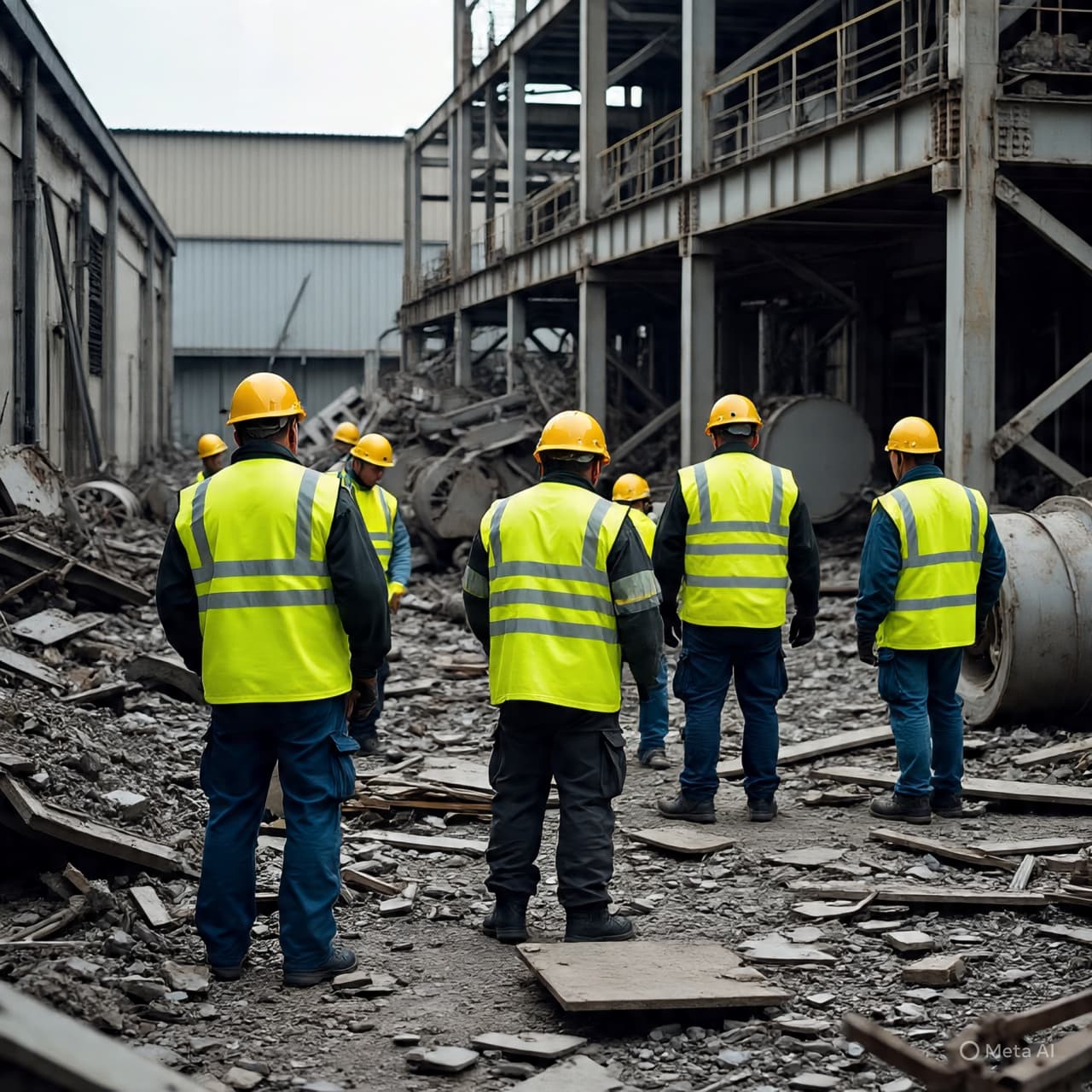
Israeli authorities have confirmed damage to various industrial facilities, although detailed assessments of the strikes are still ongoing. The repeated nature of these attacks has drawn significant attention, indicating a level of persistence that suggests a calculated approach rather than spontaneous aggression. Analysts are closely monitoring these developments, as they could have far-reaching implications for both regional stability and global energy markets.
Energy infrastructure in the Gulf has long been viewed as both vital and vulnerable. Any disruption, even if temporary, can have significant repercussions not only for the economies of the region but also for global markets that depend on a steady flow of energy resources. The potential for disruption raises alarms among investors and policymakers alike, as the Gulf remains a critical hub for oil and gas exports.
While Iran has not publicly detailed the operational specifics of the strikes, officials have framed their actions within the context of ongoing hostilities with Israel. Analysts suggest that targeting infrastructure may be a strategic move to exert pressure without escalating into full-scale confrontation. This approach allows Iran to demonstrate its capabilities while avoiding direct military engagement, a tactic that could lead to a dangerous cycle of retaliation.
The international community has responded with concern, urging all parties to exercise restraint. Diplomatic channels, though strained, continue to serve as essential avenues for de-escalation. The potential for miscalculation remains high, as both sides navigate a complex landscape of military posturing and economic interests.
Energy markets have reacted cautiously to the news of the strikes. While no widespread supply disruptions have been confirmed, the perception of risk alone can influence pricing and investor sentiment. Traders are closely watching the situation, as any escalation could lead to significant fluctuations in oil prices, impacting economies worldwide.
Civilians in the affected regions are experiencing the indirect consequences of these military actions. Heightened security measures, temporary shutdowns, and an atmosphere of uncertainty have become the new normal, lingering long after the strikes themselves. As the pattern of attacks continues, questions remain about the thresholds that separate military signaling from escalation, and how long such a precarious balance can be maintained.
For now, the region stands in a state of watchful tension, where each development is measured not only by its immediate impact but by the broader possibilities it may unfold. The stakes are high, and the world watches closely as the situation evolves.
Published by Banx Network. This article is part of the Banx decentralized media programme, powered by the BXE token on the XRP Ledger.




