

Key Highlights
- Recent cross-border strikes by Pakistan in Afghanistan have resulted in multiple casualties.
- Afghan officials condemned the strikes, citing civilian deaths and sovereignty violations.
- Tensions between Pakistan and Afghanistan have escalated amid historical disputes and rising militant activity.
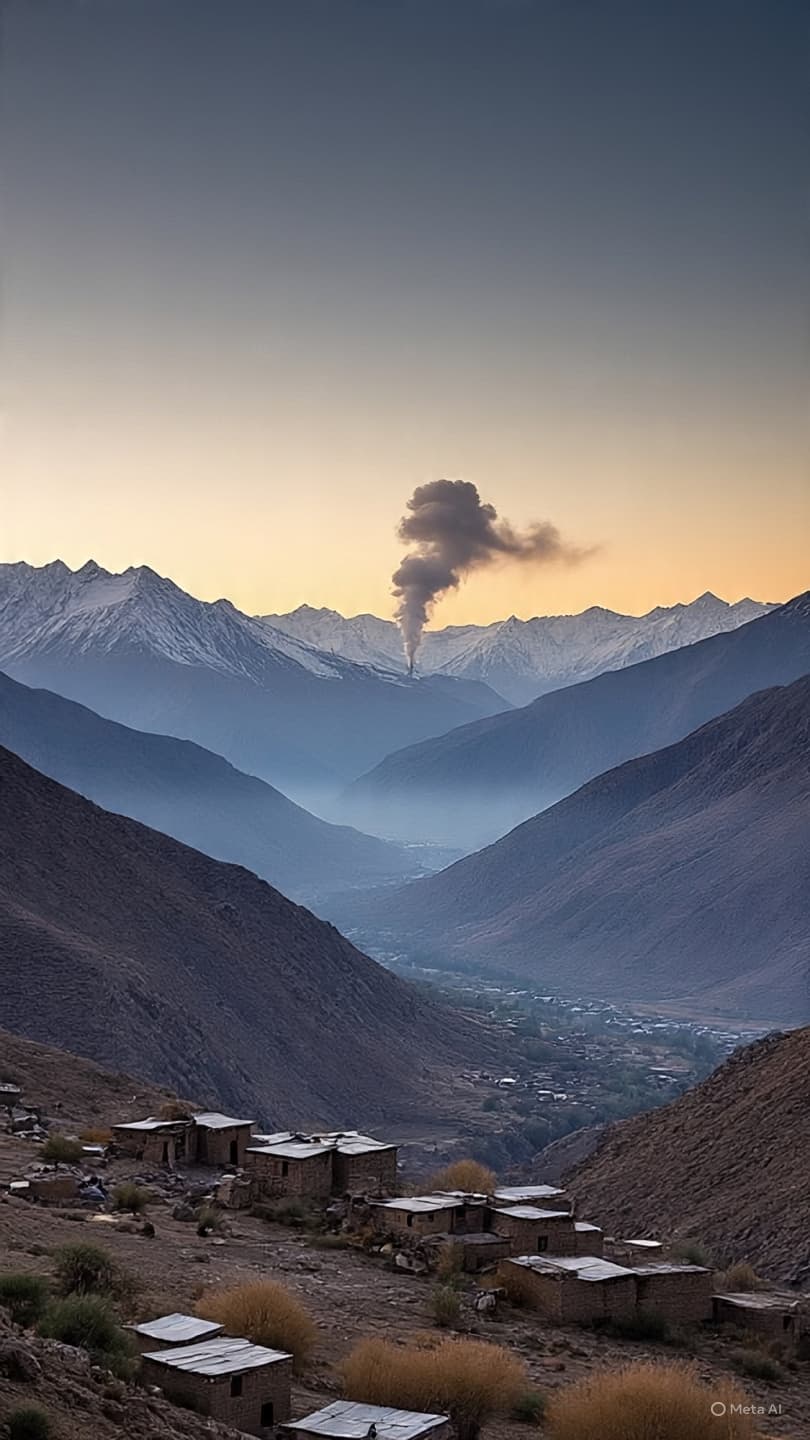
The rugged mountains along the Durand Line, which separates Pakistan and Afghanistan, have long been silent witnesses to the tumultuous history of the region. However, recent events have shattered this silence, as explosions echoed across the border, signaling a dangerous escalation in tensions. In the early hours of a tense day, Pakistan conducted cross-border strikes targeting what it described as militant hideouts in Afghanistan, claiming these groups were responsible for attacks on its territory. The strikes have reportedly resulted in dozens of casualties, raising alarms about the fragile state of peace in the region.
Pakistani officials assert that the military action was a necessary response to increasing militant activity, particularly from groups like the Tehrik-i-Taliban Pakistan (TTP), which Islamabad accuses of launching attacks from Afghan soil. The situation has become increasingly precarious, with Pakistan expressing growing frustration over what it perceives as a lack of action from Afghan authorities against these groups. The strikes are seen as part of a broader strategy to secure Pakistan's border provinces, which have been plagued by violence.
In stark contrast, Afghan authorities have condemned the strikes, labeling them a violation of their sovereignty. Officials in Kabul reported that civilians were among those killed, and local sources indicated that homes were damaged, displacing families in the affected areas. This tragic human toll underscores the complexities of border conflicts, where the consequences often extend beyond the intended military targets.
The historical context of the Durand Line adds another layer of complexity to the current situation. This border, drawn during British colonial rule, has been a source of contention between Pakistan and Afghanistan for decades. The Taliban's return to power in Afghanistan in 2021 has further complicated relations, with Pakistan urging stronger action against militant factions operating from Afghan territory. Afghan officials, however, have consistently denied that their country is a safe haven for cross-border violence, leading to heightened diplomatic tensions.
The recent military strikes risk deepening an already fragile relationship between the two nations. Pakistan has framed its actions as defensive, emphasizing the need for national security. Conversely, Afghan leaders have warned that unilateral military operations could destabilize the region and provoke further escalation. This precarious balance leaves border communities caught in the crossfire, where daily life is dictated by the search for peace amid geopolitical strife.
International observers have called for restraint from both sides, recognizing that both Pakistan and Afghanistan face significant internal challenges. Pakistan is grappling with economic pressures and security concerns, while Afghanistan is navigating political isolation and humanitarian crises. In such a volatile environment, each military action carries the potential for far-reaching consequences that extend beyond the immediate conflict.
As both governments review casualty figures and maintain open diplomatic channels, the future of this conflict remains uncertain. Whether this incident marks a brief flare-up or signals the onset of a more sustained confrontation will depend on the choices made by both nations in the coming days. The mountains may return to their quietude, but the underlying tensions and questions about the durability of borders and the nature of conflict will persist, echoing through the valleys of history.
Published by Banx Network. This article is part of the Banx decentralized media programme, powered by the BXE token on the XRP Ledger.




