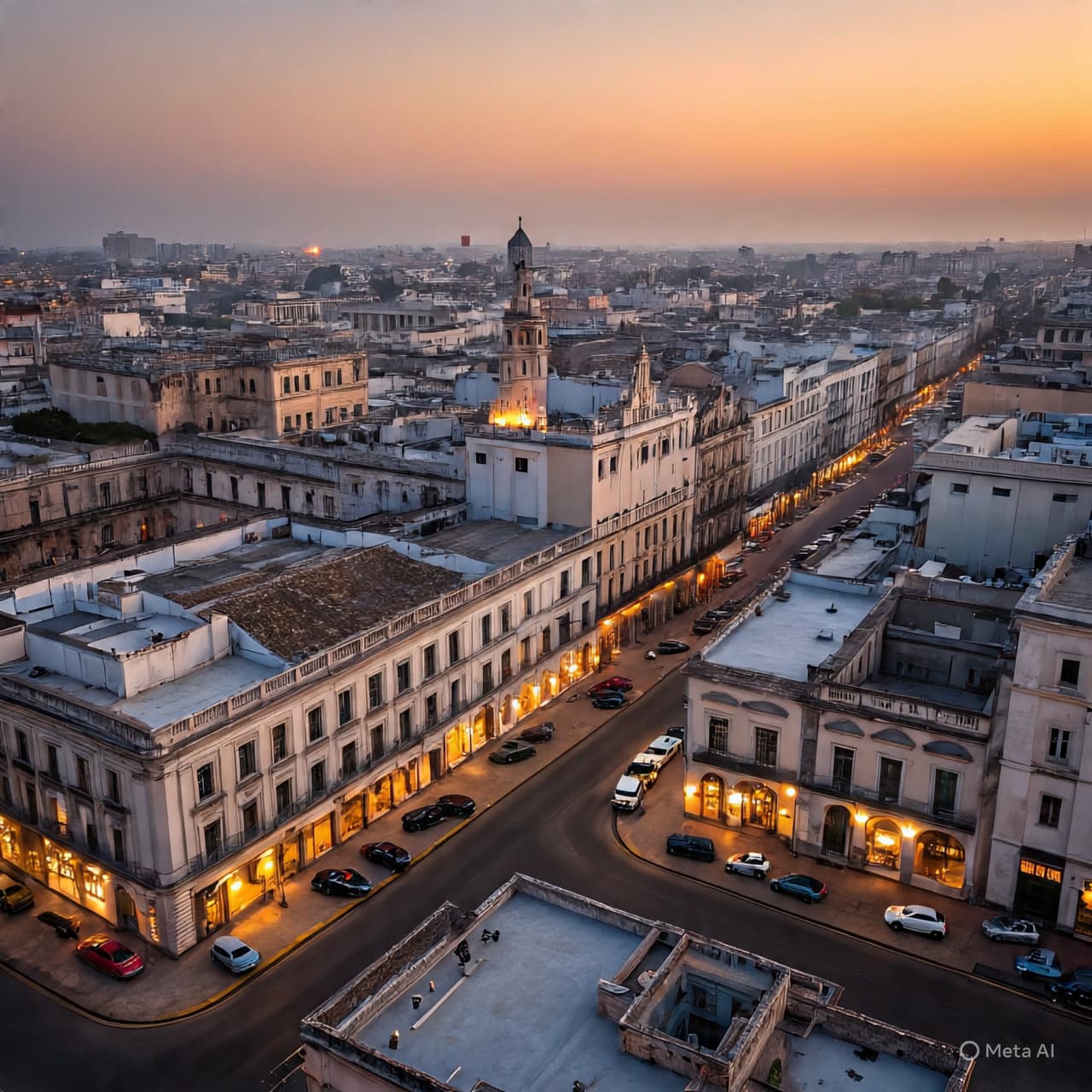
In the warm hush before dawn over the Caribbean Sea, the quiet streets of Havana carry an undercurrent that feels like a shifting tide. Coconut palms whisper to one another of a distant storm not of wind and rain, but of history-shaping forces that sometimes sweep across nations with a suddenness that even memory cannot fully capture. In the wake of Venezuela’s long-time leader falling from power, Cuba finds itself at a new threshold, where the familiar contours of its world are subtly but unmistakably altered.
This island nation, long accustomed to navigating the eddies and currents of geopolitics, now faces a moment that evokes both reflection and uncertainty. For decades, Cuba and Venezuela were bound in a partnership that went beyond oil and diplomacy. It was an exchange of sustenance and solidarity, a rhythm of mutual reliance that helped shape Havana’s cultural heartbeat and economic balance. When Nicolás Maduro whose government had been a central pillar of that alliance was captured in a dramatic foreign operation, it was more than a political event for Cubans; it was the closing of a chapter they had scarcely realized was written in the first place.
In the bustling plazas and narrow alleys of the island, voices mingle in cautious conversation. Some speak of fear fear of economic strain if the steady stream of Venezuelan oil were to fade entirely, and fear of becoming a focal point in broader strategic confrontations between global powers. Others reflect on a history of hardship and survival, recalling earlier seasons of scarcity and resilience that have become woven into the national narrative. Cuba’s leadership has responded with public mourning for the military personnel lost in recent regional turmoil, a gesture that echoes both sorrow and steadfast defiance.
Yet beyond the headlines, there are stories of ordinary Cubans bus drivers, teachers, street vendors who greet this new reality with a mix of stoicism and quiet questioning. They reflect on what will come next with the same patience that has carried them through years of shortages, rolling blackouts, and changing winds of policy from capitals far beyond their shores. There is an unspoken recognition that much of the island’s future now depends on a delicate dance of diplomacy, economics, and internal adaptation.
Across geopolitical circles, analysts note that Havana may seek support and new partnerships, mindful of old alliances but attuned to shifting global alignments. Meanwhile, U.S. policymakers cast their gaze toward Cuba with a blend of caution and ambition, fueling conversations about what might lie ahead in the broader Western Hemisphere.
If history is a long river, Cuba now stands by a bend that may change its course. The waters are unfamiliar here, but the island’s story has never been one to shy away from uncharted streams.
AI Image Disclaimer Visuals are created with AI tools and are not real photographs.
Sources:
UPI Reuters AP News CBS News The Washington Post
Published by Banx Network. This article is part of the Banx decentralized media programme, powered by the BXE token on the XRP Ledger.