In the still light of an early winter morning, policy shifts can feel like subtle tides — imperceptible at first, yet capable of reshaping distant shores. A ripple in airport crowds, a quiet pause in hopeful planning, and quietly, another set of nations finds itself at the center of an evolving U.S. approach to travel and immigration.
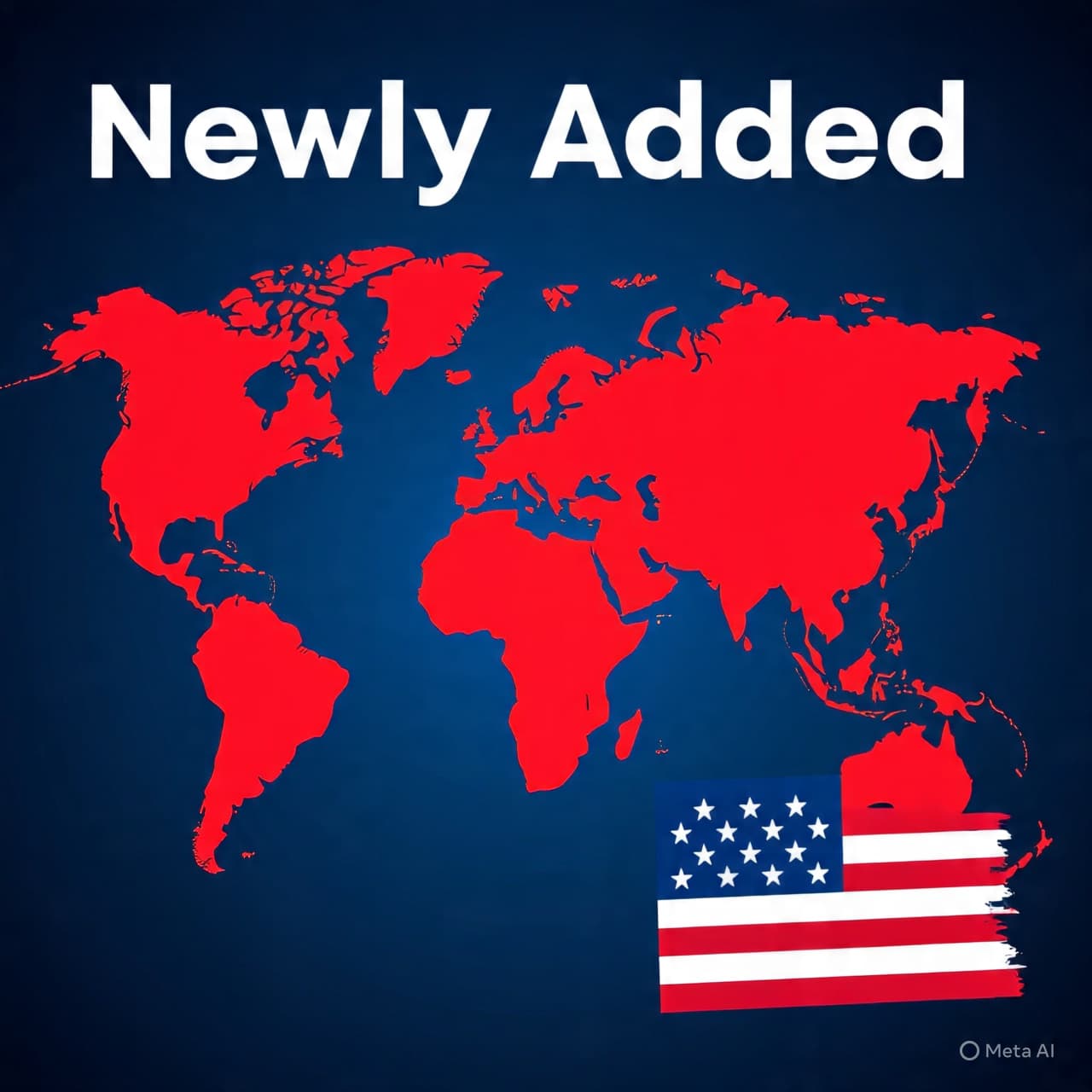
This week, the White House announced that the United States will broaden its travel ban to include 20 additional countries, effectively doubling the number of places whose citizens face either full bans or significant restrictions on entry. The expansion spreads across continents and cultures, touching places from Syria and South Sudan to nations in West and Central Africa. The policy, set to take effect at the start of the new year, also includes restrictions on travel for holders of Palestinian Authority documents — a shift that adds political complexity to humanitarian concern.
Officials framed the decision in terms of national security and immigration process integrity, citing a need to ensure more reliable screening and cooperation from foreign governments. Some countries face full suspension of travel rights, while others are newly subject to partial curbs or tighter vetting standards. Exemptions have been noted for existing visa holders, permanent residents, diplomats, athletes, and others whose travel serves specific interests.
For many observers, these changes are not just bureaucratic lines on passport pages but markers of broader currents in international relations. Where once the promise of shared borders suggested an increasingly interconnected world, these expanded restrictions underscore how questions of security, sovereignty, and identity continue to shape the stories of people and places in profound ways. Families planning reunions, students preparing for semesters abroad, and communities with ties across borders may now find their paths altered, their plans forced into new constellations of time and space.
Critics from legal and human rights circles have voiced concern that such measures risk framing entire populations by the actions of a few, potentially overshadowing individual aspiration and contribution. Supporters, on the other hand, argue that tightening entry requirements reflects prudent governance in an unpredictable global landscape. The unfolding practice reveals, in gentle but unmistakable terms, how the world’s patchwork of movement and belonging continues to be negotiated and renegotiated in legislatures and executive orders alike.
As these changes take root in the months ahead, travelers and policymakers alike will be watching to see how the ripple of this expanded ban influences not only diplomatic ties but also the everyday rhythms of life for those affected. From bustling terminals to quiet living rooms half a world away, the human impact of these evolving policies may be felt in ways both visible and unseen.
AI Image Disclaimer *Visuals are created with AI tools and are not real photographs.*
Source Check – Media Names Only
The Associated Press Reuters The Washington Post Newsweek The Guardian
Published by Banx Network. This article is part of the Banx decentralized media programme, powered by the BXE token on the XRP Ledger.