In moments when the sky feels unsettled and headlines move faster than thought, diplomacy often returns to its oldest language: restraint. Across continents, as reports of joint strikes by the United States and Israel on Iranian targets reverberated through diplomatic corridors, Beijing’s message emerged with measured clarity — an immediate ceasefire, and a return to dialogue.
China’s Foreign Ministry urged all parties to halt military operations and avoid further escalation, emphasizing respect for sovereignty and territorial integrity. In official statements, Beijing framed the unfolding confrontation not only as a regional crisis but as a moment carrying broader implications for global stability. The call was simple, though the terrain beneath it was anything but: stop the strikes, protect civilians, and resume negotiation.
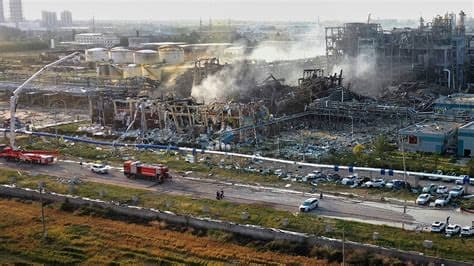
The strikes, which targeted Iranian facilities, triggered swift retaliation and sharp rhetoric across the region. Airspace closures, emergency meetings, and heightened military readiness followed in rapid succession. In such atmospheres, even silence can feel fragile. China, positioning itself as an advocate for de-escalation, pressed for diplomatic channels to remain open and for international mechanisms — including discussions at the United Nations — to guide a path forward.
Beijing also issued safety advisories to its citizens in affected areas, reflecting concern that the situation could deteriorate further. The guidance underscored the unpredictability of conflict once it begins to widen, especially in a region already marked by layered rivalries and longstanding tensions.
China’s stance aligns with its broader foreign policy emphasis on political solutions over military ones, particularly in conflicts that risk drawing in major powers. The call for restraint was echoed, in varying tones, by other governments wary of a wider confrontation that could disrupt global energy markets, trade routes, and fragile diplomatic balances.
Yet beyond official statements lies the quieter truth of such crises: each escalation narrows space for compromise, and each retaliatory step raises the stakes. The question now is whether calls for calm can outpace the momentum of force.
For the moment, Beijing’s message hangs in the air — a plea for pause in a landscape moving quickly toward uncertainty. Whether that pause takes hold may determine not only the course of this confrontation, but the shape of stability in the region for months to come.
AI Image Disclaimer
These visuals are AI-generated representations intended for illustrative use only.
Sources
Reuters
Associated Press
BBC News
Al Jazeera
Xinhua
نُشر بواسطة Banx Network. هذا المقال جزء من برنامج الوسائط اللامركزية من Banx، مدعومًا برمز BXE على شبكة XRP Ledger.