War rarely announces itself with subtlety. It arrives instead like a sudden storm—heavy, unrelenting, and echoing far beyond the horizon where it first gathers. In Eastern Europe, where the ground has already endured seasons of tension and loss, another surge of force has reshaped the silence once more.
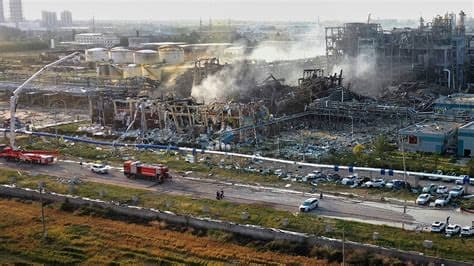
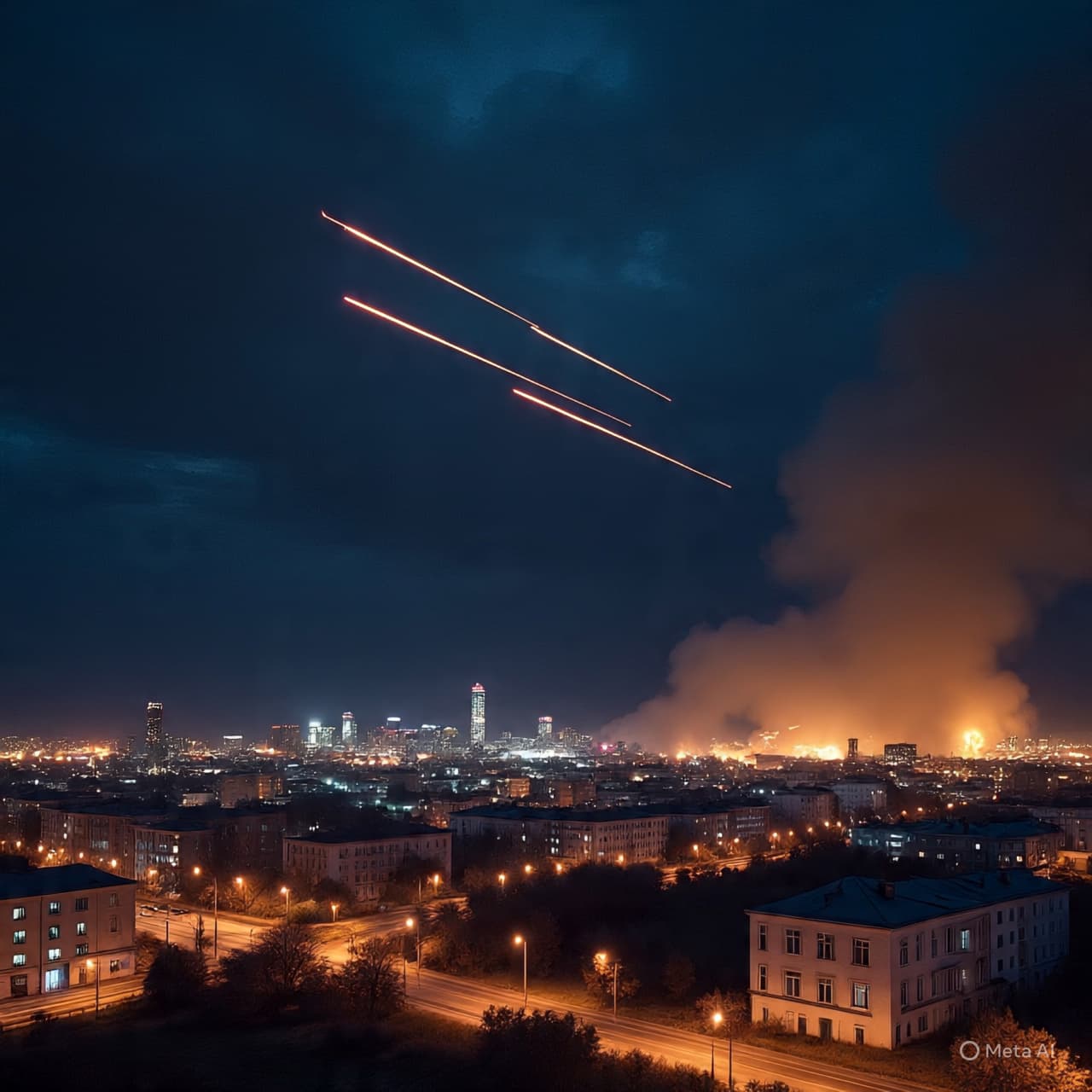
Russia has carried out a large-scale bombardment across Ukraine, striking 147 locations in what officials describe as a retaliatory operation. The attacks reportedly involved a combination of missiles, drones, and artillery, extending across multiple regions and affecting infrastructure, military positions, and urban areas.
According to reports from Ukrainian authorities, the strikes unfolded overnight and into the early hours, targeting energy facilities, industrial sites, and logistical points. Air defense systems were activated in several cities as residents sought shelter. Explosions were heard in different oblasts, underscoring the breadth of the assault. Ukrainian officials stated that emergency crews were deployed quickly to assess damage and assist civilians.
Russian officials framed the operation as a response to prior Ukrainian attacks, characterizing the strikes as retaliation against military and strategic targets. Moscow has, in past statements, described similar actions as efforts to weaken Ukraine’s defense capabilities and infrastructure. The language of retaliation has become a recurring note in official briefings, reflecting the cyclical nature of escalation that has defined much of the conflict.
Independent verification of each targeted site remains complex in an active war zone. However, international media outlets and defense analysts have confirmed widespread strikes across multiple regions. Energy infrastructure, in particular, has often been central to such exchanges, especially during colder months when its disruption carries both strategic and humanitarian implications.
For civilians, the renewed bombardment has meant another night measured not by hours of rest but by sirens and uncertainty. In cities far from the front lines, daily life continues to adapt to patterns of interruption—power outages, transportation disruptions, and the steady rhythm of alerts. Schools and businesses have learned to pivot between routine and refuge.
Global reactions have followed swiftly. Western governments reiterated support for Ukraine, while calling for restraint and de-escalation. International organizations expressed concern over the humanitarian impact, particularly where critical infrastructure was affected. The broader conflict, now stretching across years, continues to draw diplomatic statements even as military actions persist on the ground.
The reported strike on 147 locations signals not only a military maneuver but also a message—one embedded in force rather than dialogue. Analysts suggest that such масштабные operations may aim to project capability and deterrence, even as they risk further intensifying the cycle of response and counter-response.
Yet beneath the statistics—147 sites, dozens of drones, multiple regions—are the quieter dimensions of conflict: families displaced, workers navigating damaged systems, and communities adjusting once more to uncertainty. The numbers outline the scale, but the lived experience fills in the depth.
As of the latest updates, assessments of casualties and infrastructure damage are ongoing. Ukrainian authorities continue repair efforts and defense operations, while Russia maintains that the strikes were directed at military objectives. The situation remains fluid, with both sides monitoring developments closely.
In wars of attrition, each action leaves an imprint. The bombardment of 147 locations adds another chapter to a conflict that has already altered landscapes, lives, and geopolitical alignments. For now, the skies over Ukraine remain vigilant, and the international community watches for what may follow.
AI Image Disclaimer Visuals are created with AI tools and are not real photographs.
Sources Reuters Associated Press BBC News Al Jazeera The Guardian
Published by Banx Network. This article is part of the Banx decentralized media programme, powered by the BXE token on the XRP Ledger.