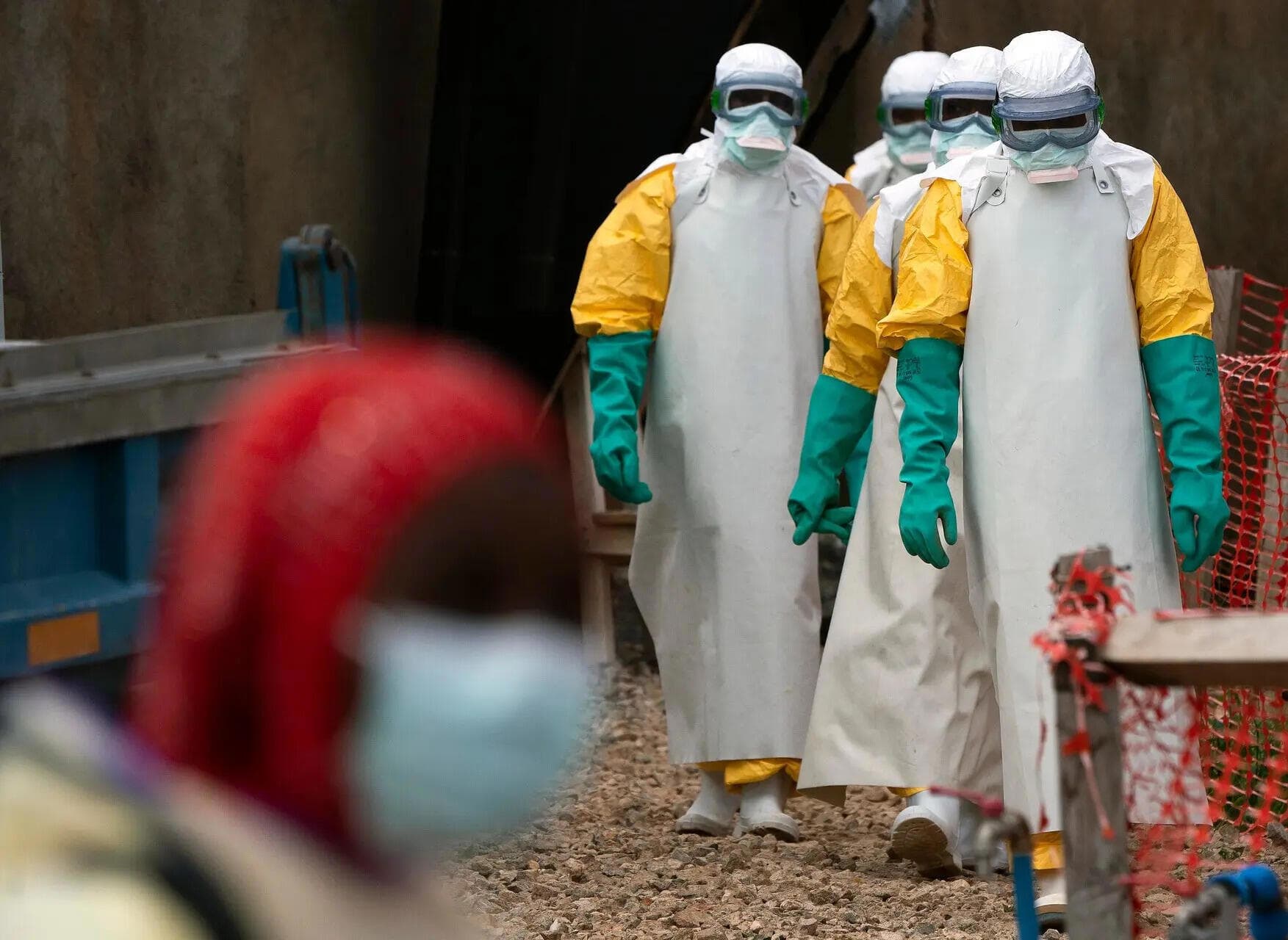
Health authorities are deeply concerned about the outbreak of a newly identified strain of Ebola in Congo and Uganda, particularly because there is no approved vaccine for this variant. This situation poses a formidable challenge for public health officials as they work to contain the spread and mitigate the impact on affected communities.
The ongoing outbreak has been characterized by a rapid increase in cases, prompting alarm among local and international health agencies. Given the absence of effective vaccination options, health officials are relying on traditional containment measures, such as isolation of patients, contact tracing, and community education to prevent further transmission.
The lack of an available vaccine underscores the importance of research and development to address emerging infectious diseases. Scientists and public health experts are calling for enhanced efforts to develop vaccines and treatments that can be deployed quickly in response to such outbreaks.
As the situation develops, the global health community is closely monitoring the outbreak, focusing on resource allocation, support for healthcare systems, and strategies for effective communication with at-risk populations. The stakes are high, and the response to this crisis could have lasting implications for how future epidemics are managed, particularly in regions vulnerable to outbreaks.
Efforts to control the spread of this Ebola strain are ongoing, and collaboration among countries, NGOs, and health organizations will be crucial in combating this public health threat.
Published by Banx Network. This article is part of the Banx decentralized media programme, powered by the BXE token on the XRP Ledger.