
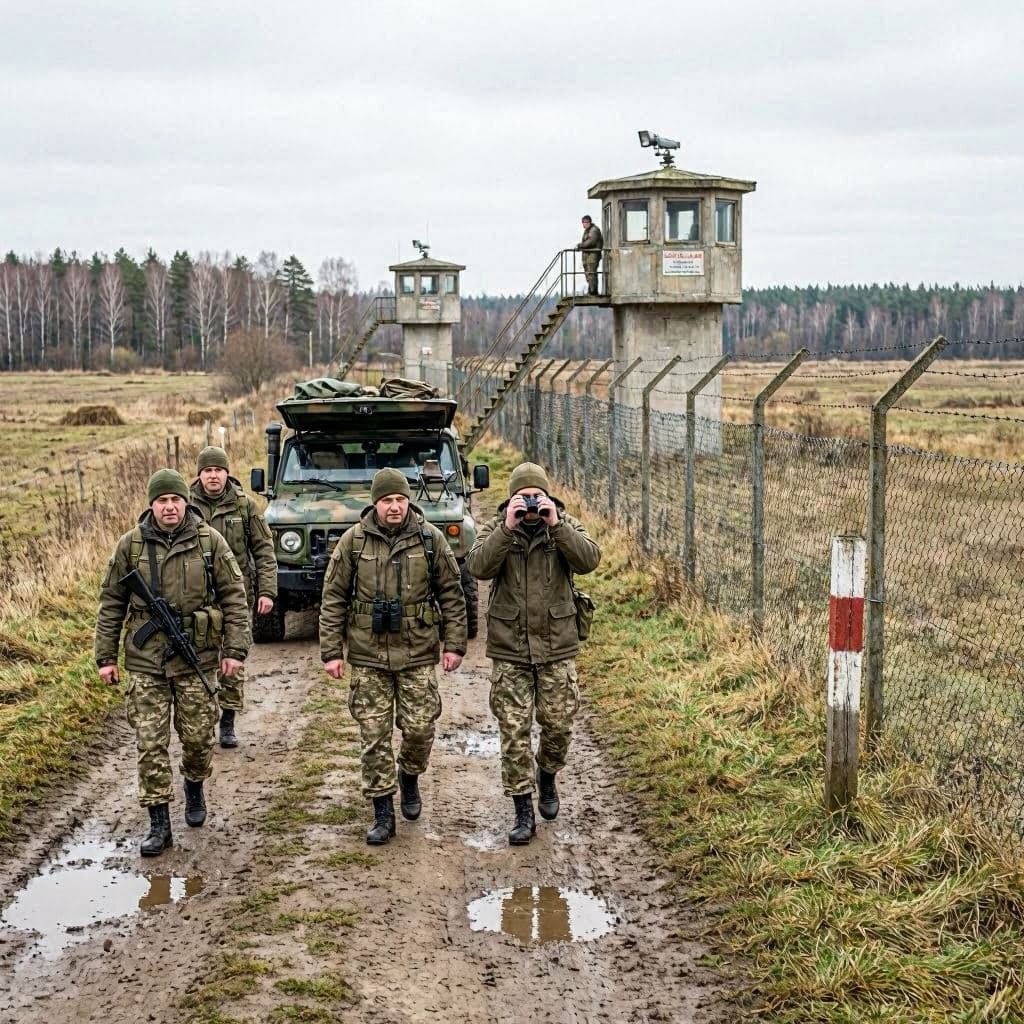
Key Highlights
- Belarus warns Ukraine against actions that could escalate conflict.
- NATO members are closely monitoring military activities near borders.
- Diplomatic channels remain active to prevent unintended escalation.
In Eastern Europe, geography and history often move together like intertwined rivers, carrying memories of past conflicts while shaping present decisions. Against the backdrop of the ongoing war in Ukraine, statements from neighboring states continue to attract close international attention, reflecting the delicate balance that exists across the region.
Belarusian President Alexander Lukashenko recently stated that Belarus has warned Ukraine against taking actions that could broaden the conflict beyond its current boundaries. The remarks come as regional governments continue monitoring military activities near shared borders and strategic areas. This warning underscores the precarious nature of the situation, where any misstep could lead to a wider confrontation.
Belarus, a close ally of Russia, has played a significant role since the beginning of Russia's full-scale invasion of Ukraine in 2022. While Belarusian forces have not directly entered combat in large numbers, Belarus has allowed Russian troops and military assets to use its territory during various phases of the conflict. This strategic partnership has raised concerns among neighboring countries about the potential for increased military aggression.
Ukrainian officials have repeatedly expressed concern about military developments along the northern border with Belarus. Kyiv has maintained defensive positions in the region while focusing the majority of its military efforts on eastern and southern fronts. The situation remains tense, with both sides on high alert for any signs of escalation.
International observers note that statements from Minsk are closely scrutinized because any expansion of military activities involving additional countries could significantly alter the security landscape in Eastern Europe. NATO members bordering Belarus have also continued monitoring developments, emphasizing the importance of readiness in the face of potential threats.
Diplomatic channels remain active despite the broader conflict. International organizations and several governments continue advocating measures aimed at reducing risks of unintended escalation, particularly in border regions where military movements are closely watched. This diplomatic engagement is crucial in maintaining stability and preventing misunderstandings that could lead to conflict.
Security analysts emphasize that communication between neighboring states remains important during periods of heightened tension. Clear messaging and diplomatic engagement can help reduce misunderstandings that might otherwise contribute to instability. As the situation evolves, the role of diplomacy will be critical in navigating the complexities of Eastern European security.
For now, there has been no indication of major changes in Belarus' military posture. Nevertheless, developments involving Belarus, Ukraine, and Russia are expected to remain a focus of international diplomacy and security discussions in the months ahead. The interplay of military readiness and diplomatic efforts will be essential in shaping the future of the region.
Published by Banx Network. This article is part of the Banx decentralized media programme, powered by the BXE token on the XRP Ledger.



