
Key Highlights
- Ebola cases in eastern Congo exceed 1,000, with 254 deaths reported.
- The outbreak is primarily in Ituri province, with the Bundibugyo strain involved.
- Humanitarian challenges complicate containment efforts amid ongoing conflict.
The Democratic Republic of Congo (DRC) is grappling with a severe Ebola outbreak that has escalated since its declaration in May. Health authorities report that confirmed cases have surpassed 1,000, with at least 254 fatalities. The outbreak is concentrated in the eastern Ituri province, an area already burdened by years of conflict and displacement.
As of now, a total of 1,003 confirmed infections have been documented, with approximately 100 individuals recovering. However, hundreds remain hospitalized or isolated as medical teams work tirelessly to treat and contain the virus. The outbreak involves the Bundibugyo strain of Ebola, which is notably rare and lacks approved vaccines or targeted treatments, complicating the response efforts.
Public health experts have raised alarms about the challenges posed by this particular strain. Contact tracing, a critical component of outbreak management, has proven to be a significant hurdle. Congolese authorities have reported that only slightly more than half of identified contacts are currently being monitored, leaving thousands of potential exposures untracked. This gap in monitoring could lead to further spread of the virus, especially in densely populated areas.
The humanitarian situation in eastern Congo further complicates the response to the Ebola outbreak. Ongoing armed conflict and mass displacement have created conditions that hinder effective containment measures. Many displacement camps are situated in regions deemed high-risk for the virus's spread, making it difficult for health workers to conduct outreach and surveillance activities.
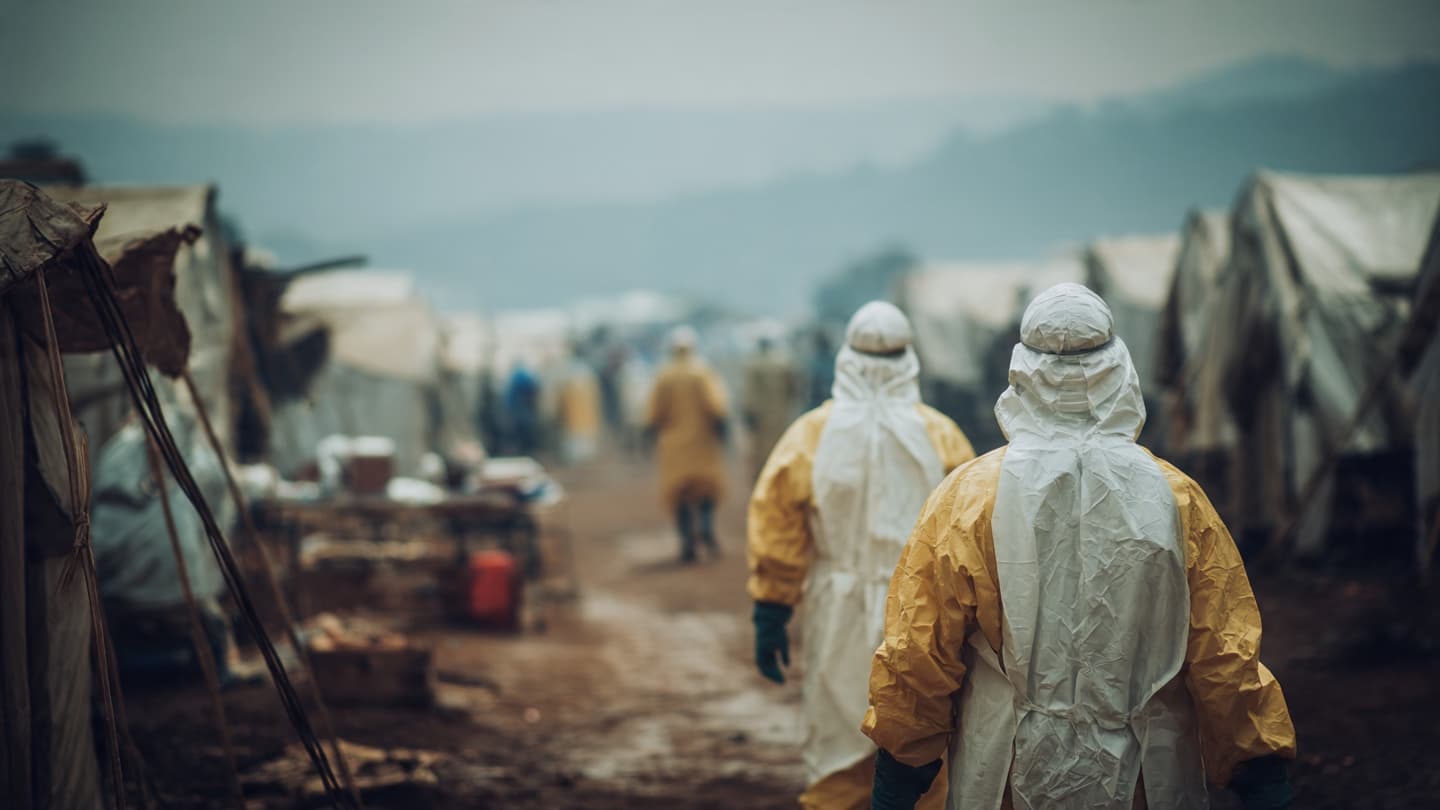
In response to the crisis, health workers are actively engaging in community outreach campaigns, surveillance, and infection-control measures. International organizations, including the World Health Organization (WHO), are collaborating with local authorities to manage the emergency. Their support is crucial in bolstering the response efforts and ensuring that health workers have the resources they need.
Medical experts emphasize the importance of early detection and rapid isolation of infected individuals to prevent broader transmission. The current situation underscores the urgency of sustained international support, as Congolese officials acknowledge that the outbreak has not yet reached its peak.
As the situation evolves, the need for comprehensive strategies to address both the health crisis and the underlying humanitarian challenges remains critical. The international community's engagement will be vital in navigating this complex landscape and mitigating the impact of the Ebola outbreak in eastern Congo.
Published by Banx Network. This article is part of the Banx decentralized media programme, powered by the BXE token on the XRP Ledger.



