Sometimes truth arrives burdened — burdened by politics, by hesitations, by the hum of lobbyists’ machines. The latest environmental alarm from the halls of the United Nations was meant to be such a clear‑eyed call: an urgent reckoning of our planet’s wounds, a map toward healing. But when the world’s most comprehensive environmental assessment was presented this week, it came stripped of its official embrace. A handful of governments chose silence — or dissent — instead of responsibility.
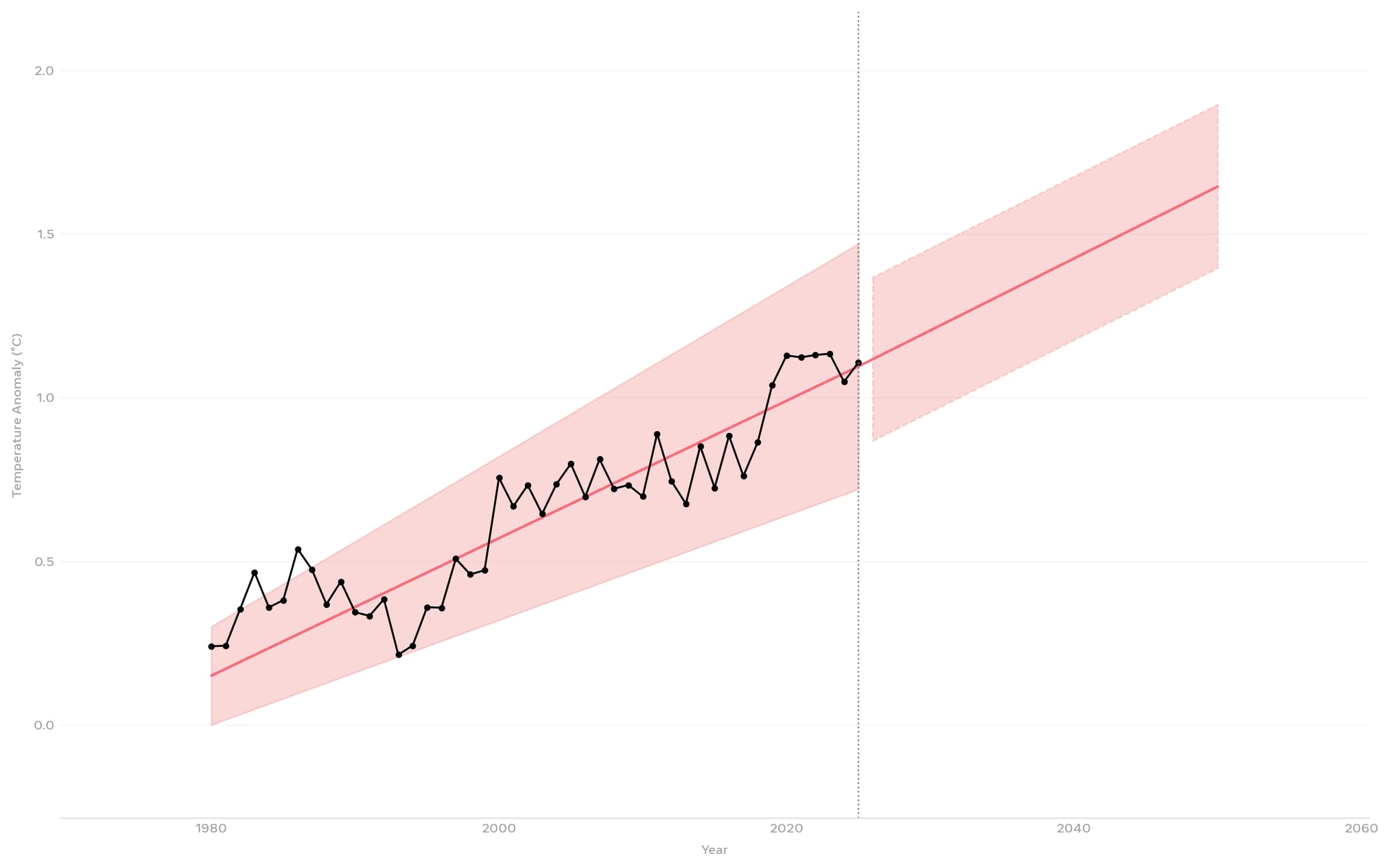
The document, the Global Environment Outlook, is the product of six years’ work by nearly 300 scientists across 83 nations. Its pages weave together the interconnected crises of climate change, loss of biodiversity, land degradation, pollution, and unsustainable consumption. It warns — starkly — of a “dire future” unless humanity dramatically reduces dependence on coal, oil and gas, ends harmful subsidies, and reshapes production and resource use.
But when the time came to approve its summary — the distilled message to governments and the public — a coalition of fossil‑fuel producing and high‑consumption countries blocked consensus. The summary was not adopted; the report went out with only the scientists’ backing. To the report’s co‑chair, Sir Robert Watson, the process was “hijacked.” A small number of countries, unwilling to confront the consequences of their own consumption, derailed a document meant to shine light, not soften its message.
For months, global conferences like COP30 have seen similar resistance — language urging a fossil‑fuel phase‑out diluted or removed; financial interests outweighing ecological urgency. The same tensions played out here, in what was meant to be a scientific consensus. The result: a weakened voice for science in the halls of power, and perhaps a fading of urgency at a time when time itself is running out.
Still — the report stands. Its conclusions remain. It calls for sweeping transformation: rethinking energy, agriculture, industry; pricing in the true costs of extraction, pollution and environmental damage; investing in renewables and sustainable systems even if it means short‑term economic pain. For the planet, for future generations, perhaps there is no alternative. The silence of governments doesn’t erase the science.
In release without formal endorsement, the GEO makes a statement of its own: sometimes, facts don’t need approval to be true. And even if the pathway is blocked by politics, the greater journey — toward a sustainable Earth — continues, guided by evidence, not convenience.
AI Image Disclaimer “Visuals are created with AI tools and are not real photographs.”
Sources BBC / reports on Global Environment Outlook, The Global Herald, AP via Washington Post coverage of UNEP report, Yahoo News summary of hijacking controversy
Published by Banx Network. This article is part of the Banx decentralized media programme, powered by the BXE token on the XRP Ledger.