Time often feels steady, marked by clocks, calendars, and routines repeated across generations. Yet beneath that familiar rhythm, Earth itself has been changing quietly for billions of years. The length of a day, which now seems fixed and dependable, has slowly stretched across geological history like a river widening over distance.
Scientists have long understood that Earth’s rotation gradually slows over immense periods of time. The primary reason is the gravitational interaction between Earth and the Moon, which creates tidal forces that slowly transfer rotational energy. This process causes Earth’s spin to decrease at an almost imperceptible rate.
Evidence for this slowdown comes from multiple scientific methods, including astronomical calculations and fossil records. One of the most striking sources is ancient coral fossils that preserve growth patterns resembling tree rings.
Researchers studying coral fossils from roughly 380 million years ago found evidence suggesting Earth experienced around 400 days per year during that period. Because the length of a year remained relatively constant in relation to the planet’s orbit around the Sun, each individual day was shorter than today.
Scientific estimates indicate a day during the Devonian Period lasted approximately 22 hours. At that time, dinosaurs had not yet appeared, and life on Earth was dominated by marine ecosystems and early land plants.
The gradual slowing of Earth’s rotation continues today, although the change is extremely small on a human timescale. Modern measurements show that the length of a day increases by only fractions of a second over many centuries.
Tidal friction generated by the Moon remains the dominant influence. As ocean tides move across Earth’s surface, energy is dissipated, causing the planet’s rotation to slow while the Moon slowly drifts farther away from Earth.
The relationship illustrates a remarkable connection between celestial bodies. What appears to be a stable 24-hour cycle is actually part of a dynamic process shaped by gravitational forces operating across millions and billions of years.
Scientists continue to combine fossil evidence, geological records, and astronomical modeling to better understand how Earth’s rotation has evolved and how it may continue changing far into the future.
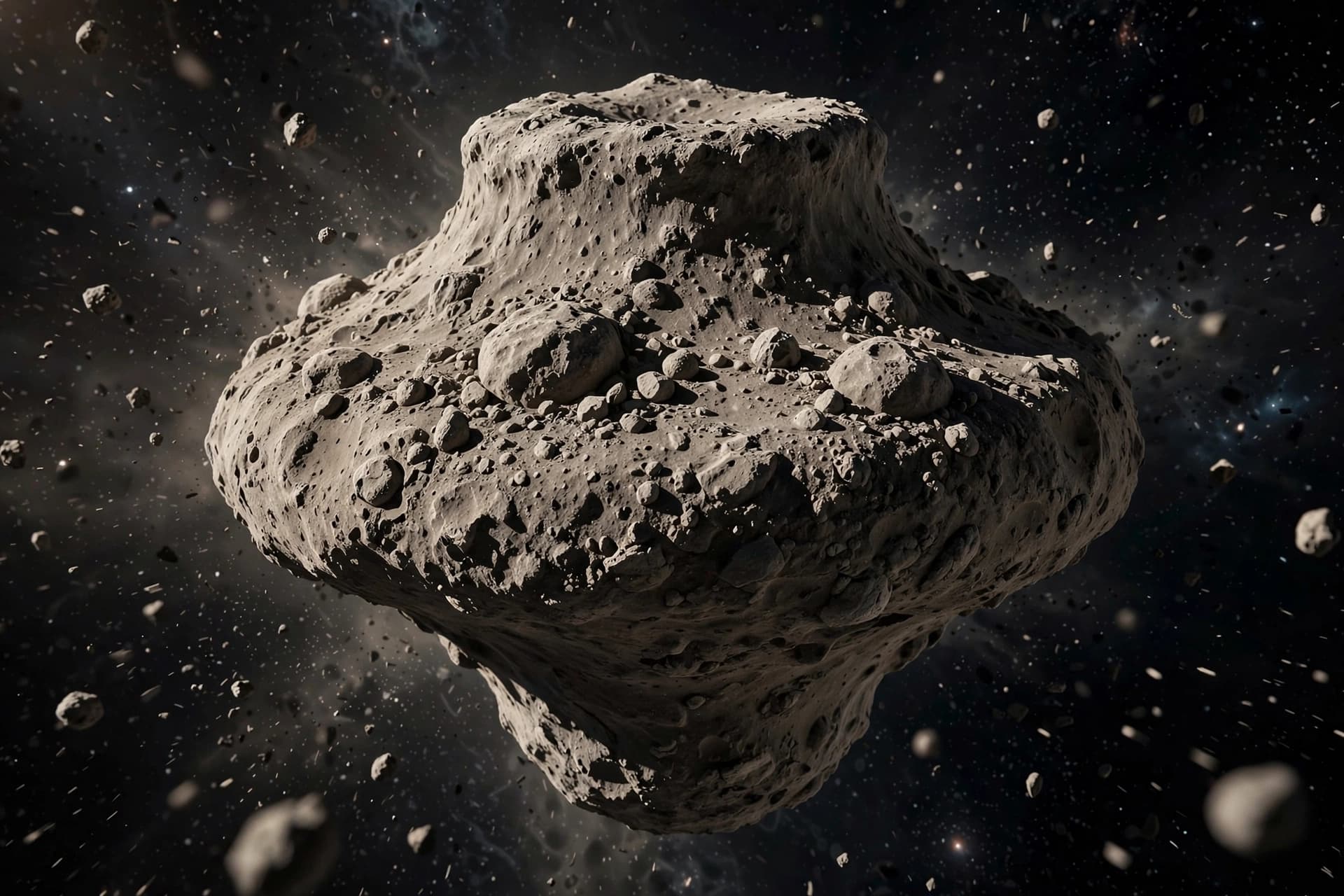
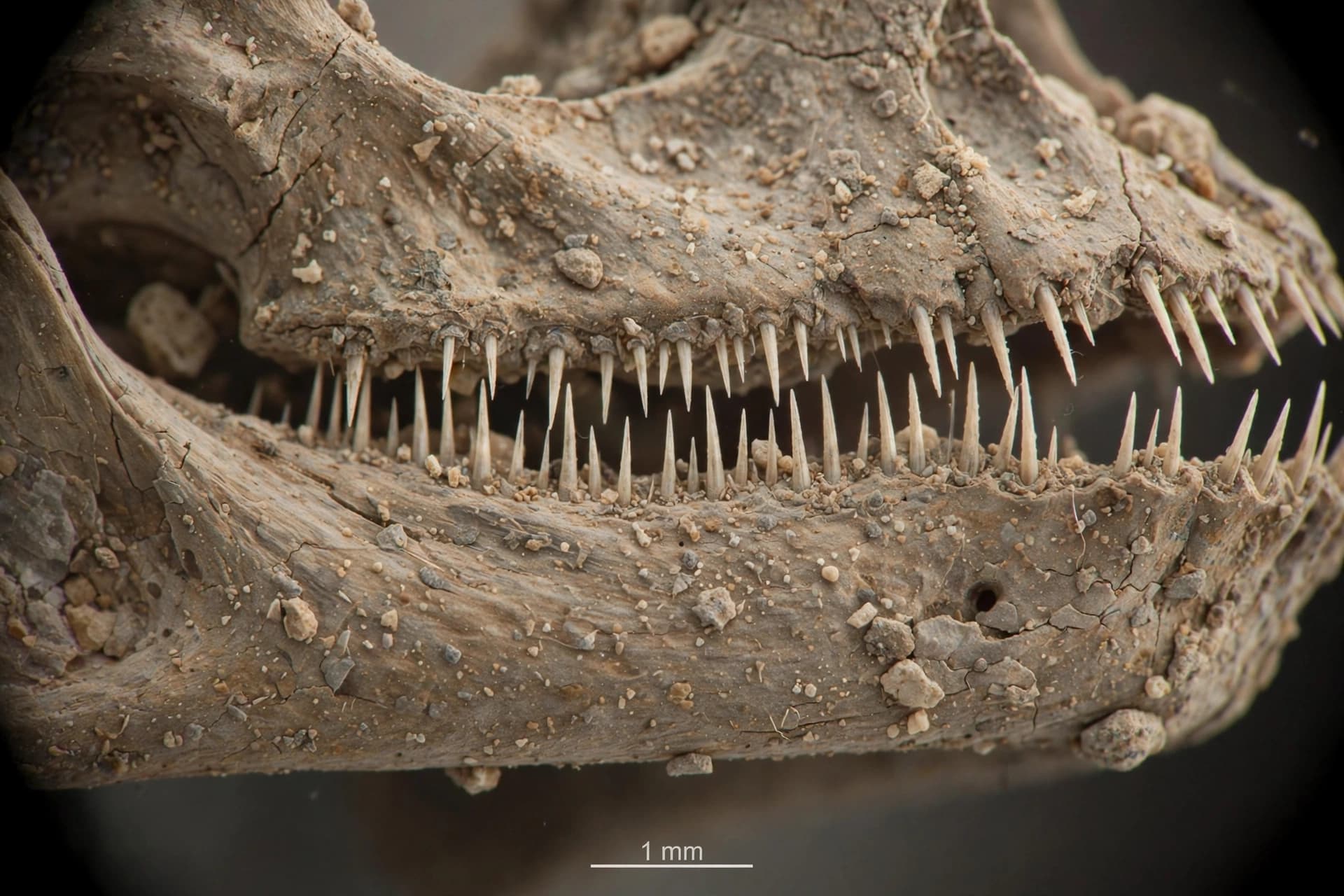
AI-generated images are used for educational illustration and are not scientific reconstructions.
Sources: Smithsonian Magazine, NASA
Published by Banx Network. This article is part of the Banx decentralized media programme, powered by the BXE token on the XRP Ledger.