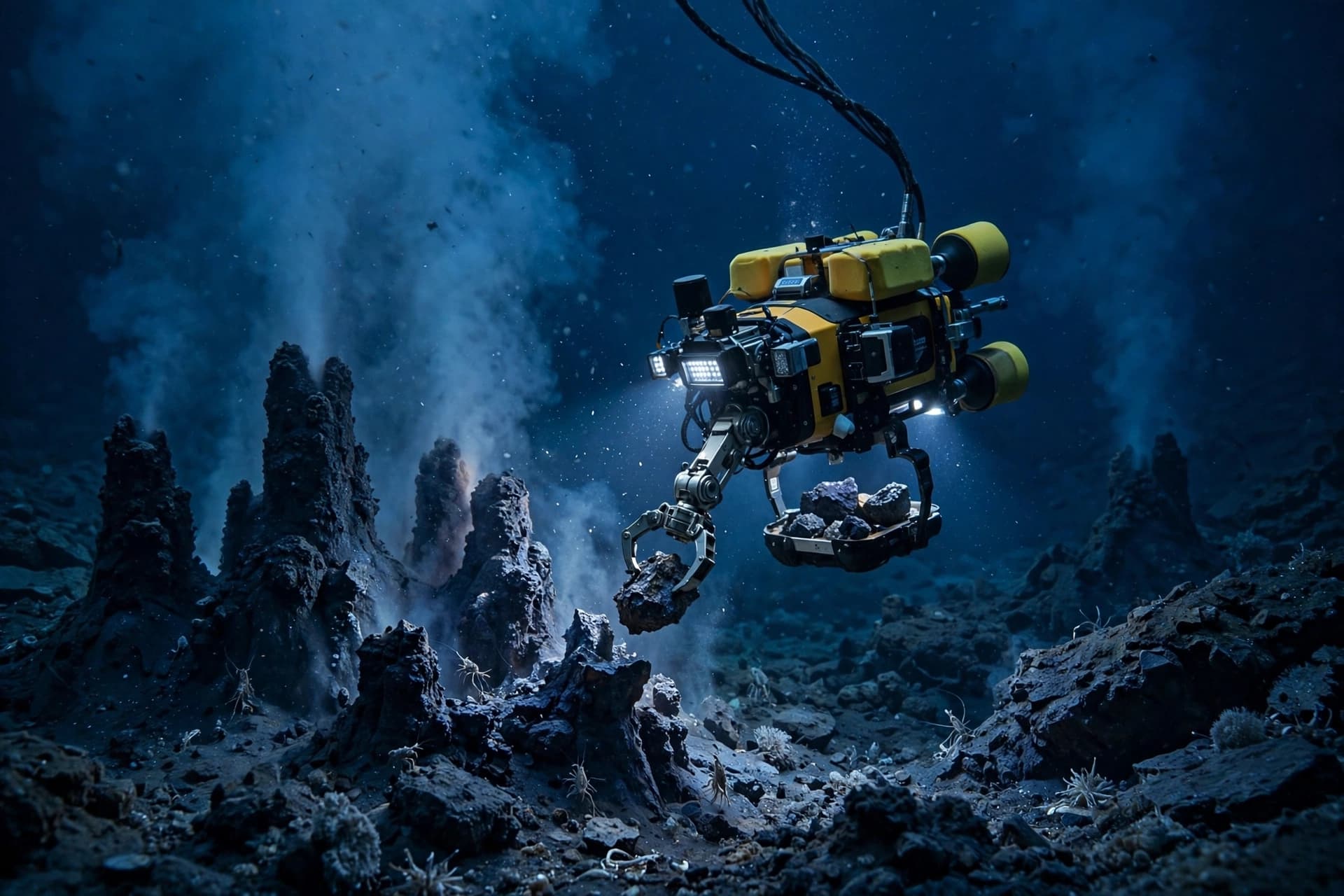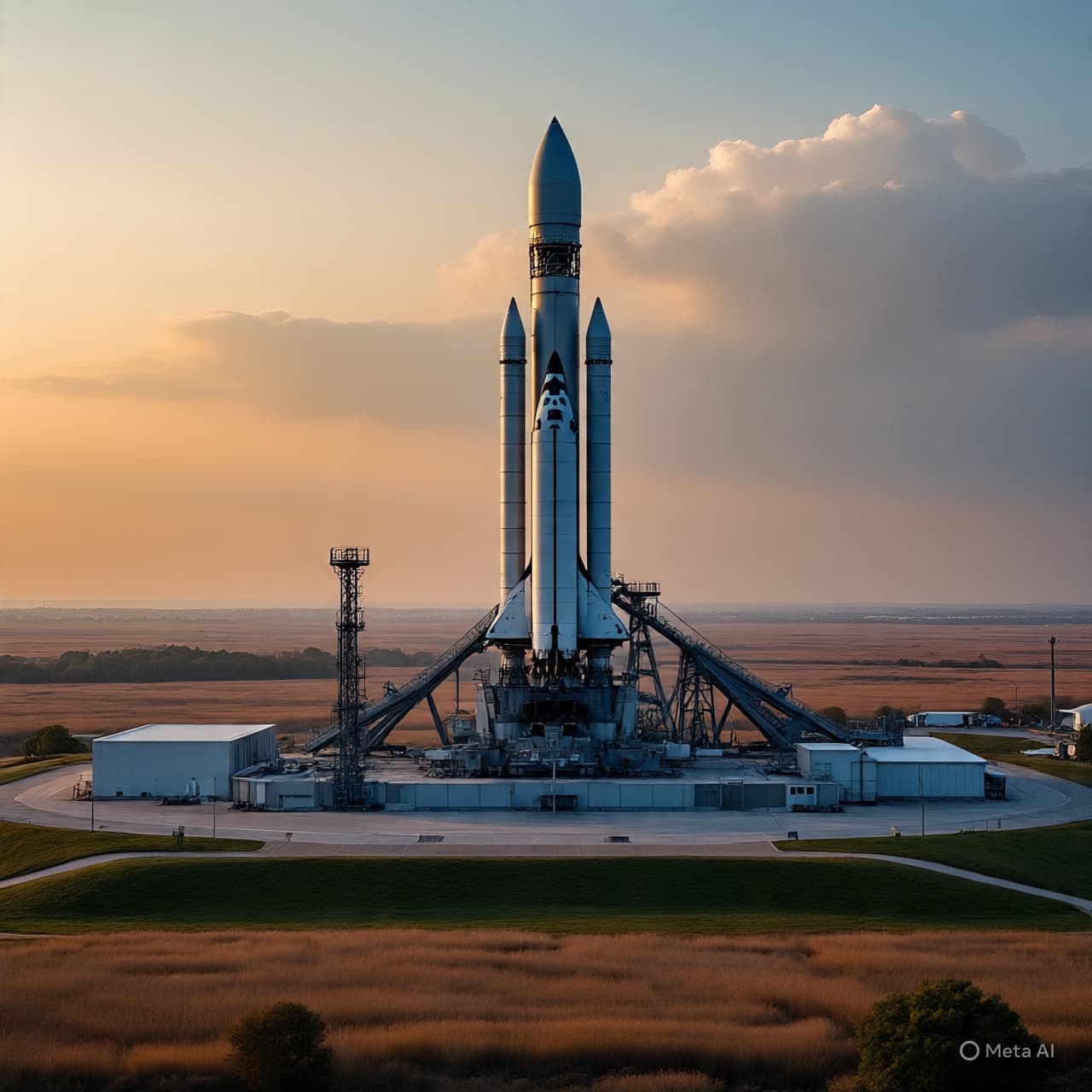
From the vantage of orbit, the Earth below drifts in muted blues and greens, oceans folding into continents, cities flickering like constellations. Amid this quiet spectacle, an astronaut aboard the International Space Station glimpses a new addition to the tapestry: the Artemis 2 moon rocket, poised and gleaming on its launch pad, a monument to human ambition. Seen from hundreds of kilometers above, it is at once fragile and colossal, a steel arrow aimed at the void, waiting for the moment to trace a path beyond our world.
The image captures more than machinery; it evokes the choreography of exploration itself. Every bolt, every fuel line, every carefully calculated trajectory is the product of decades of planning, experience, and imagination. From this celestial perspective, the rocket is both a technical marvel and a symbol: humanity’s yearning to reach farther, to touch the pale lunar surface that has long inspired poets and scientists alike. Observing it from space, the astronaut reflects not only on the precision of the engineers below but also on the shared endeavor that connects Earth-bound teams to those already floating among the stars.
In that frozen instant captured from orbit, there is a quiet poetry. The Artemis 2 rocket stands ready, yet the moment emphasizes patience, preparation, and perspective. The astronaut’s gaze, framed by the curvature of Earth and the void beyond, reminds us of the delicate intersection of ambition and vulnerability. It is a reminder that space exploration is a human story, told in light and shadow, in steel and motion, in the slow, deliberate rise of dreams toward the heavens.
AI Image Disclaimer Visuals are AI-generated and serve as conceptual representations.
Sources NASA; Space.com; Ars Technica; The Verge; SpaceNews
Published by Banx Network. This article is part of the Banx decentralized media programme, powered by the BXE token on the XRP Ledger.