
Key Highlights
- Investigation:Dutch YouTube creators linked to Alberta separatist videos.
- Views:Some videos have garnered over 12 million views.
- Concerns:Experts warn about the impact on public opinion and democracy.
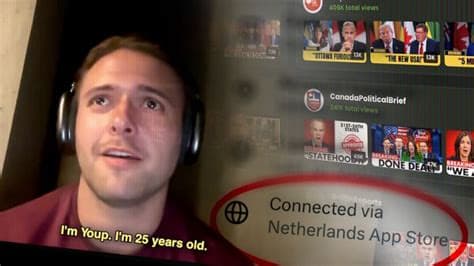
A recent investigation has unveiled a network of Dutch YouTube creators responsible for a series of misleading videos that promote Alberta separatism, collectively amassing millions of views. These creators have reportedly participated in an online course designed to teach individuals how to generate 'faceless' YouTube content aimed at passive income. This approach has allowed them to contribute to a growing narrative regarding Alberta's potential separation from Canada.
The accounts involved in this network have produced sensationalist videos, often featuring provocative titles that elicit strong emotional responses while misrepresenting the political landscape. One notable account, DavidFraserYT, has achieved over 12 million views, showcasing the reach and influence of this content. The videos frequently utilize AI-generated voiceovers and deepfake technology to present politicians in misleading contexts, raising ethical concerns about the authenticity of the information being disseminated.
Digital traces have linked several individuals to the same online course, known as the 'Faceless Education Community.' This program instructs participants on how to monetize YouTube channels without revealing their identities. One participant, Youp Licher, confirmed his involvement in creating such channels but downplayed any political affiliations, claiming that the content is intended to be informative rather than propaganda. This assertion, however, has been met with skepticism by many observers who question the motives behind such content.
Despite the increasing influence of these videos, some local political figures and experts have attempted to downplay their significance. Mitch Sylvestre, the CEO of the Alberta Prosperity Project, characterized the idea of foreign interference as exaggerated. Nevertheless, many experts recommend public vigilance against these deceptive media practices, emphasizing the need for critical engagement with online content.
The rise of these so-called 'slopaganda' videos has sparked concerns about their potential impact on public opinion, particularly in politically charged environments. Researchers warn that these videos exploit existing grievances within communities, leveraging frustrations to promote separatist sentiments. This trend poses a significant risk to the integrity of democratic discourse in Canada, as it may distort public perceptions and influence political outcomes.
As the situation evolves, the role of social media in shaping political narratives will continue to be scrutinized. The intersection of technology, misinformation, and public sentiment underscores the importance of media literacy and critical thinking in navigating the complexities of modern political discourse.
Published by Banx Network. This article is part of the Banx decentralized media programme, powered by the BXE token on the XRP Ledger.



