
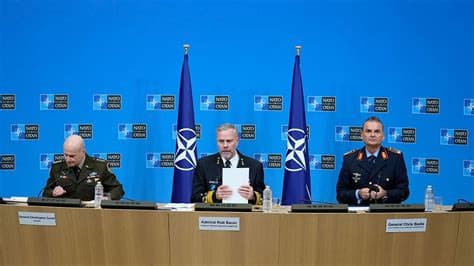
Key Highlights
- Policy Shift:The Dutch government is refocusing its Arctic strategy from climate initiatives to defense.
- Geopolitical Context:This change is in response to Russia's military expansion in the Arctic region.
- NATO Involvement:The Netherlands will participate in a NATO strategy to enhance Arctic security.
In a significant policy shift, the Dutch government has announced a change in its approach to Arctic affairs, transitioning from a focus on climate initiatives to prioritizing defense and security issues. This decision comes amid heightened concerns regarding Russia's expanding military footprint in the region, reflecting a broader trend among NATO member states to reevaluate their Arctic strategies in light of shifting geopolitical landscapes.
The move follows a series of military maneuvers by Russia, which has been strengthening its Arctic capabilities by establishing new military bases and conducting exercises aimed at asserting its influence over key shipping routes and resource-rich areas. While the Dutch government acknowledges that climate change remains a pressing issue, the escalating geopolitical risks associated with Russia's actions necessitate a shift in focus towards national and collective defense.
In 2026, the Netherlands will participate in a multifaceted NATO strategy designed to enhance collective security in the Arctic. This strategy includes collaborations with other Arctic nations and NATO allies, emphasizing military readiness and operational capabilities in the face of potential threats. The Dutch military is expected to increase its presence and engage in joint exercises aimed at addressing both conventional and hybrid threats emerging from the region.
The Ministry of Defense has stated that this new policy will involve closer cooperation with Norway, Canada, and other Arctic states. The goal is to promote security and stability while ensuring navigational safety in light of changing environmental conditions. As climate-induced changes continue to open up new maritime routes, the potential for conflict over resources and territorial claims intensifies, making this policy shift all the more critical.
The Dutch government’s pivot reflects broader NATO trends, where member states are increasingly recognizing the need to balance environmental concerns with the imperative of national and collective defense. As Russia solidifies its military presence in the Arctic, this decision underscores the importance of a coordinated response among NATO allies to ensure regional security.
As the situation evolves, the international community will closely monitor the implications of this policy shift, particularly regarding NATO's broader strategy and engagement in the Arctic region. The Netherlands aims to play a vital role in maintaining security while navigating the complex interplay of climate change and military strategy, ensuring that both environmental and defense priorities are addressed effectively.
Published by Banx Network. This article is part of the Banx decentralized media programme, powered by the BXE token on the XRP Ledger.



