
Key Highlights
- Fuel Tax Reduction:Germany cuts fuel excise taxes by €0.10 per liter.
- Price Disparity:The gap between German and Dutch fuel prices reaches €0.30 per liter.
- Economic Impact:Estimated savings of €1.6 billion for drivers and businesses.
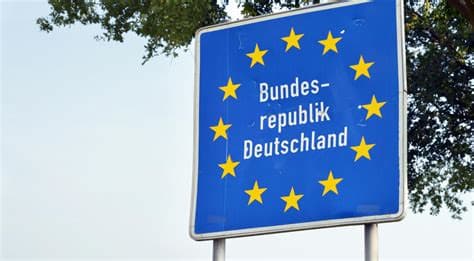
Dutch drivers are flocking to Germany to fill their tanks after the German government implemented a slashing of fuel taxes aimed at alleviating high gas prices. Starting May 1, 2026, fuel excise taxes were reduced by €0.10 per liter, leading to a notable decline in prices at the pump. As a result, the gap between German and Dutch fuel prices has expanded to approximately €0.30 per liter, making it substantially cheaper to refuel across the border.
This two-month tax relief is projected to deliver an average reduction of around €0.17 per liter, resulting in an estimated total benefit of €1.6 billion for drivers and businesses. The initiative was largely a response to rising fuel costs exacerbated by international disruptions, including the Strait of Hormuz blockade, which has impacted global oil supply and prices.
According to data from ADAC, a German automobile club, prices are expected to continue decreasing in the coming days as stations deplete their existing stock that was taxed at higher rates. Customers are advised that fuel prices can vary throughout the day, with early mornings generally being the most economical time to refuel. This fluctuation in prices is likely to encourage more Dutch motorists to make the trip across the border.
Research from ABN Amro reveals that when the price disparity increases, drivers tend to travel further distances. For instance, previously observed patterns showed a 15% shift in gasoline consumption from southern Dutch border areas to Belgium whenever price differences surged. This trend is expected to repeat itself as Dutch drivers seek to capitalize on the current savings available in Germany.
Local gas stations near the Dutch border have already reported a decline in customer traffic. Gerrit Heinen, a station owner, commented on the slowdown, anticipating "two somewhat quieter months" as drivers take advantage of the new prices in Germany. He noted that many of his regular customers are now opting to fill up across the border, which has led to a noticeable drop in sales.
In summary, while the Dutch government grapples with high fuel costs, the German tax cut is drawing significant interest from Dutch motorists eager to save money during their refueling stops across the border. The impact of this tax reduction is likely to resonate beyond just immediate savings, potentially influencing fuel purchasing behaviors in the region for months to come.
Published by Banx Network. This article is part of the Banx decentralized media programme, powered by the BXE token on the XRP Ledger.



