
Key Highlights
- Drought Crisis:Somalia faces severe water shortages and food insecurity.
- Presidential Call:President Hassan Sheikh Mohamud urges coordinated action.
- Community Involvement:Local leaders play a crucial role in response efforts.
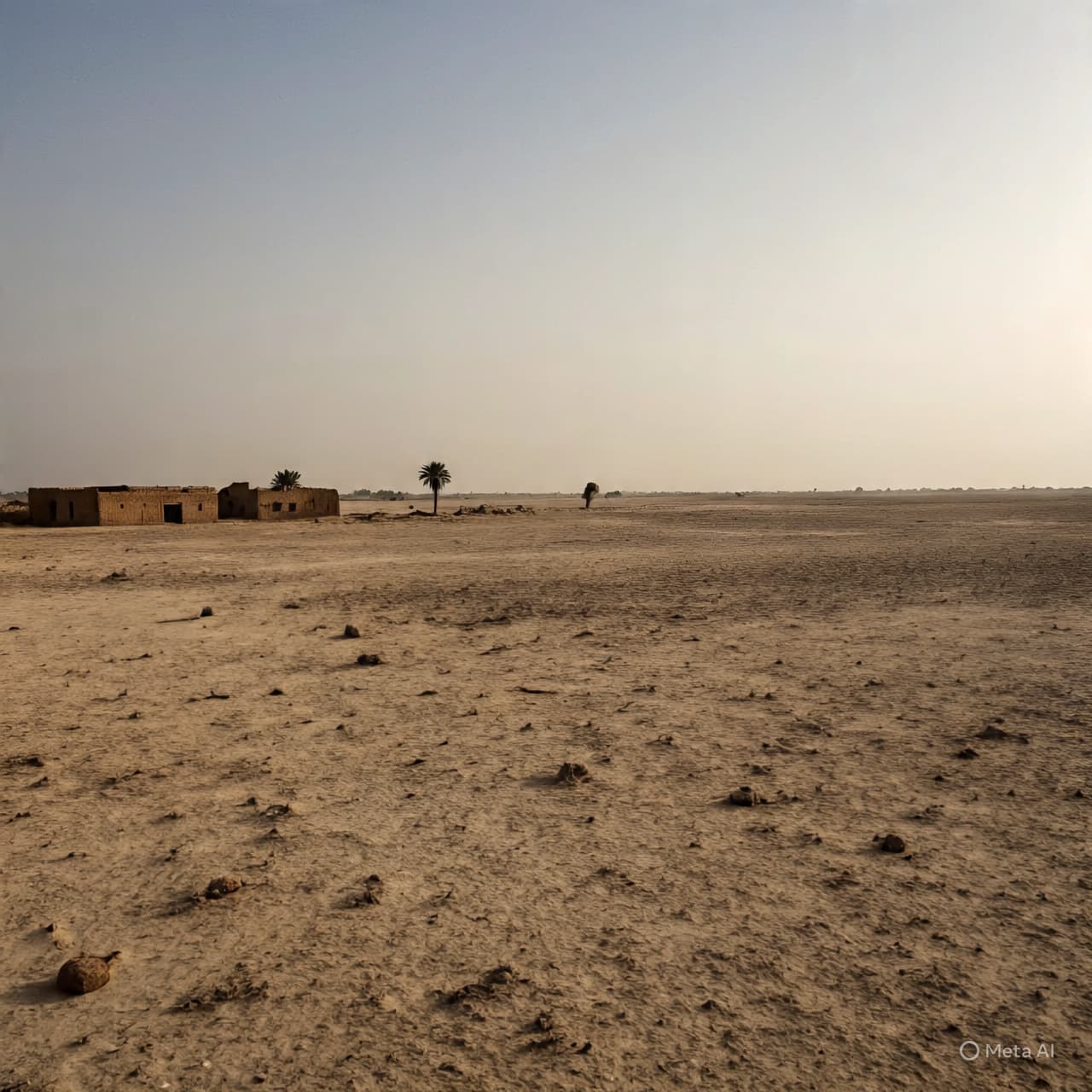
Somalia is grappling with a severe drought that has left communities across the nation in a state of uncertainty. As wells dry up and fields wither under the relentless sun, the daily struggle for water and sustenance has become a grim reality for many. In response to this escalating crisis, President Hassan Sheikh Mohamud has called for a unified approach to tackle the challenges posed by the drought, emphasizing the need for collaboration among federal institutions, regional authorities, humanitarian partners, and local communities.
The president's appeal comes at a critical time when large swathes of the country are experiencing worsening water shortages and food insecurity. Erratic rainfall patterns and prolonged dry seasons have become increasingly common, exacerbating the plight of vulnerable populations. The government's directive encourages national agencies to work closely with state administrations, while humanitarian organizations are urged to align their relief operations with government planning. This coordinated effort aims to ensure that essential services such as water provision, food assistance, and health care reach those in need before the situation deteriorates further.
Drought has long been a defining feature of life in Somalia, but recent years have tested the resilience of communities more than ever. Historical dry cycles have displaced millions and strained pastoral livelihoods, placing immense pressure on already fragile systems. This time, officials are prioritizing preparedness, focusing on mapping at-risk areas, pre-positioning supplies, and enhancing early-response mechanisms. The goal is not only to provide emergency aid but also to minimize displacement and protect livelihoods before losses become irreversible.
The president's call for joint action reflects a broader understanding that climate stress transcends administrative boundaries. Effective drought management requires not only governance and trust but also the active involvement of local leaders, elders, and community networks. These individuals serve as vital links between policy and practice, translating plans into actionable steps on the ground. Their engagement is crucial in ensuring that the response to the drought is both effective and culturally sensitive.
As the dry season continues, the impact of these coordinated efforts will be measured in tangible outcomes: the amount of water drawn, the number of animals sustained, and the families who remain in their homes rather than being forced to flee. While the order for coordinated action cannot summon rain, it aims to stabilize the response to its absence. In a nation accustomed to enduring hardship, there is hope that alignment across various sectors can mitigate the drought's effects and provide relief to those most affected.
Published by Banx Network. This article is part of the Banx decentralized media programme, powered by the BXE token on the XRP Ledger.



