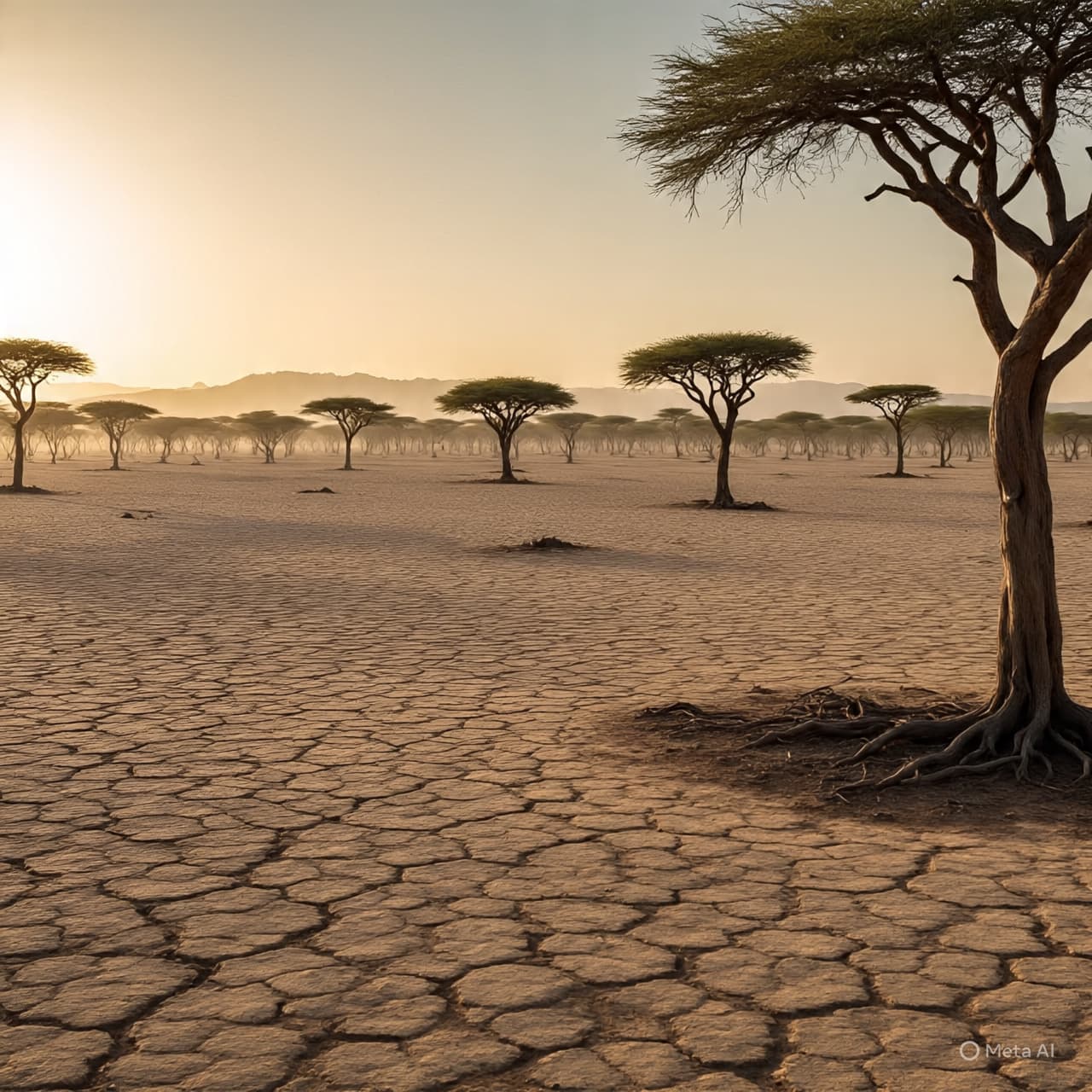
The wind moves gently across the plains outside Baidoa, lifting fine dust into the pale morning light. Acacia trees stand scattered against the horizon, their shadows thin and elongated in the early heat. Women walk along narrow paths with empty containers balanced carefully in their hands, while children trail behind, their footsteps quiet on the dry earth. In Somalia, the landscape often tells its own story before any official report does.
This week, the World Food Programme issued a warning that hunger across Somalia is deepening as international aid funding declines. The agency estimates that millions of Somalis face acute food insecurity, with humanitarian operations struggling to keep pace after significant budget shortfalls forced reductions in food assistance programs. In some regions, rations have been scaled back; in others, distributions have stopped entirely.
Somalia’s vulnerability to hunger is neither sudden nor singular. Years of erratic rainfall, prolonged droughts, and flash floods have disrupted farming cycles and displaced rural communities. Conflict with the militant group al-Shabaab has further constrained access to agricultural land and humanitarian corridors. The cumulative effect is a fragile food system, one that bends under the weight of each new shock.
According to recent assessments cited by the WFP and the Food and Agriculture Organization, large swaths of the population are experiencing crisis or emergency levels of hunger. Malnutrition rates among children remain high in several districts, particularly in central and southern Somalia. Clinics report rising admissions for severe acute malnutrition, even as funding gaps limit the scale of therapeutic feeding programs.
Aid agencies point to a broader global context. Humanitarian budgets have been strained by multiple crises unfolding simultaneously—from Ukraine to Gaza to Sudan. Donor governments face competing priorities, and pledges have not always translated into timely disbursements. For Somalia, where humanitarian assistance accounts for a significant share of basic services, the contraction is immediately felt.
In Mogadishu, officials within the federal government have appealed for renewed international support, warning that without sustained funding, progress made after the devastating 2022–2023 drought could unravel. That drought brought the country to the brink of famine, displacing more than a million people and leaving communities reliant on emergency food distributions. Rains have since returned in parts of the country, but recovery remains uneven and precarious.
On the ground, the consequences of aid cuts are measured in smaller portions and longer waits. In displacement camps on the outskirts of cities, families gather beneath makeshift shelters of plastic sheeting and cloth. Water trucks arrive intermittently. Mothers speak of meals stretched thin, of livestock lost during drought, of sons leaving in search of work that may not exist.
The WFP has emphasized that early action can prevent famine, but only if funding stabilizes. The agency’s representatives have called for immediate contributions to sustain food pipelines and support resilience programs aimed at helping communities withstand future climate shocks. Cash assistance, school feeding initiatives, and agricultural support projects have all been affected by the shortfall.
Somalia’s story is also entwined with climate change. Scientists note that the Horn of Africa is experiencing increasingly volatile weather patterns, with prolonged dry spells followed by intense rainfall. Such extremes complicate traditional pastoralist livelihoods and undermine crop yields. In this shifting climate, humanitarian relief becomes both a bridge and a lifeline.
As the afternoon sun intensifies over the plains, life continues with quiet determination. Markets in Mogadishu bustle with traders selling grain, fruit, and tea. Fishermen return to coastal towns with modest catches. Yet beneath the rhythm of daily activity lies a persistent uncertainty—whether assistance will arrive, whether the next harvest will hold, whether children will remain nourished.
The WFP’s warning is not framed as alarm but as appeal. It is a reminder that hunger rarely erupts overnight; it deepens gradually, in increments of missed deliveries and shrinking budgets. Somalia stands once again at a delicate threshold, where timely intervention could steady the ground beneath vulnerable communities.
As dusk falls and the sky turns a muted orange, the wind quiets. The plains settle into stillness. In offices far from the Horn of Africa, funding decisions are debated and spreadsheets recalculated. In Somalia, those deliberations translate into the presence—or absence—of food at daybreak.
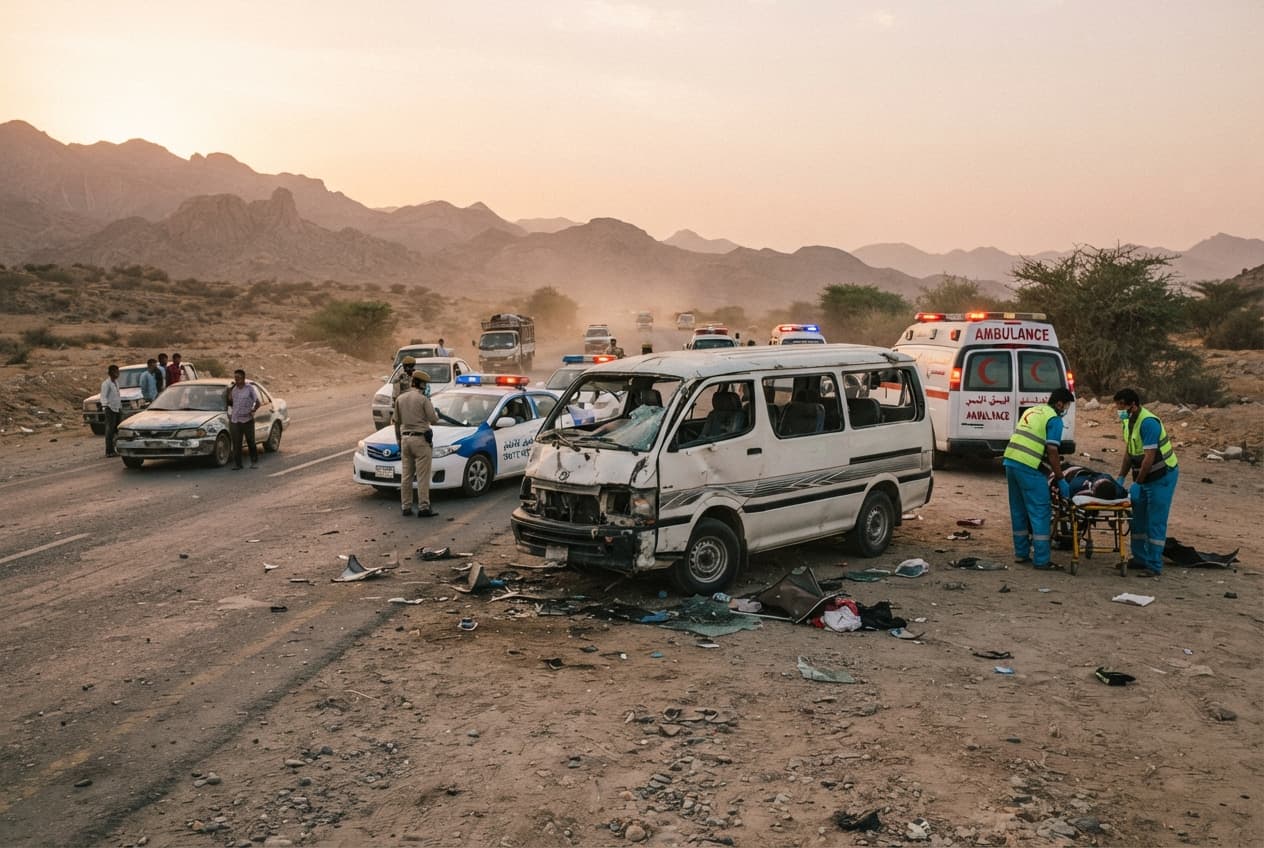
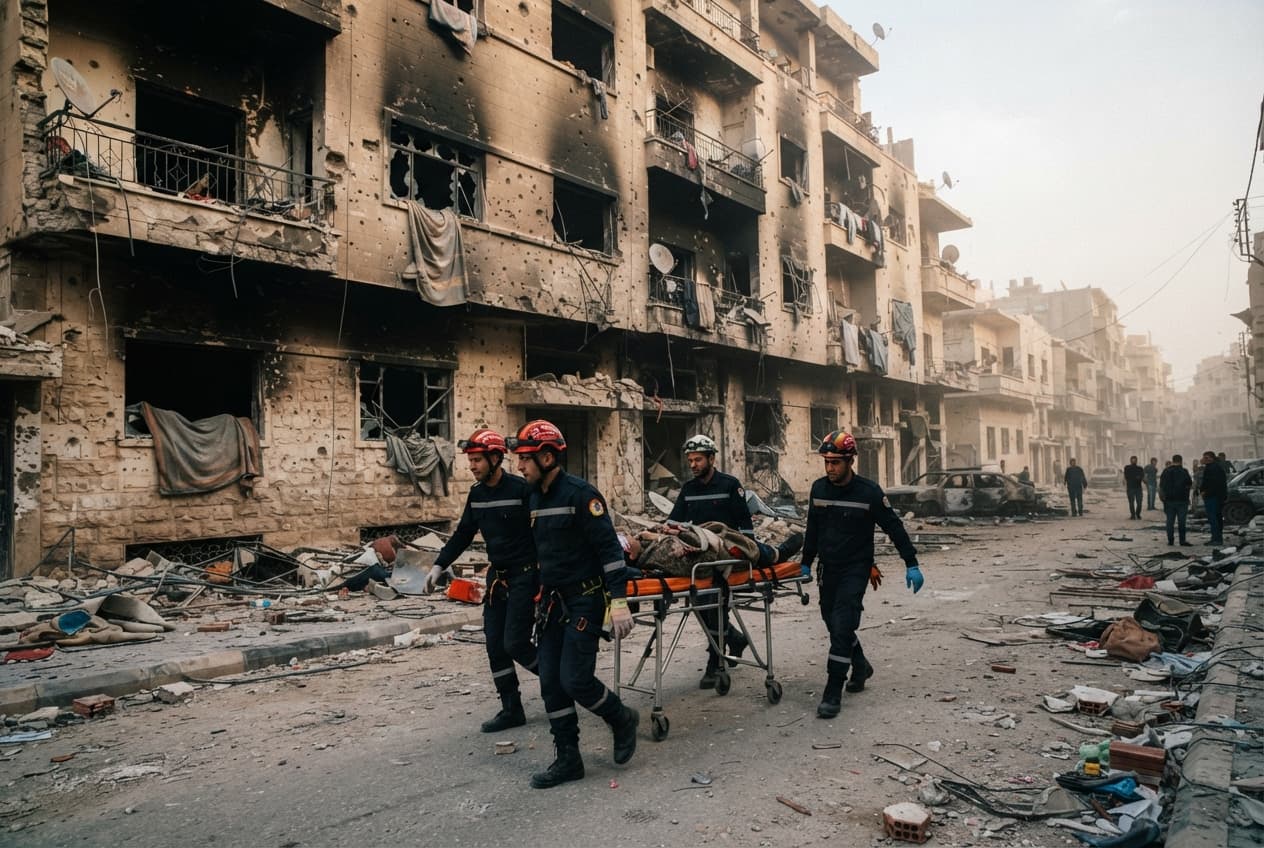
AI Image Disclaimer Visuals are AI-generated and serve as conceptual representations.
Sources World Food Programme Food and Agriculture Organization Reuters Associated Press UN Office for the Coordination of Humanitarian Affairs
Published by Banx Network. This article is part of the Banx decentralized media programme, powered by the BXE token on the XRP Ledger.