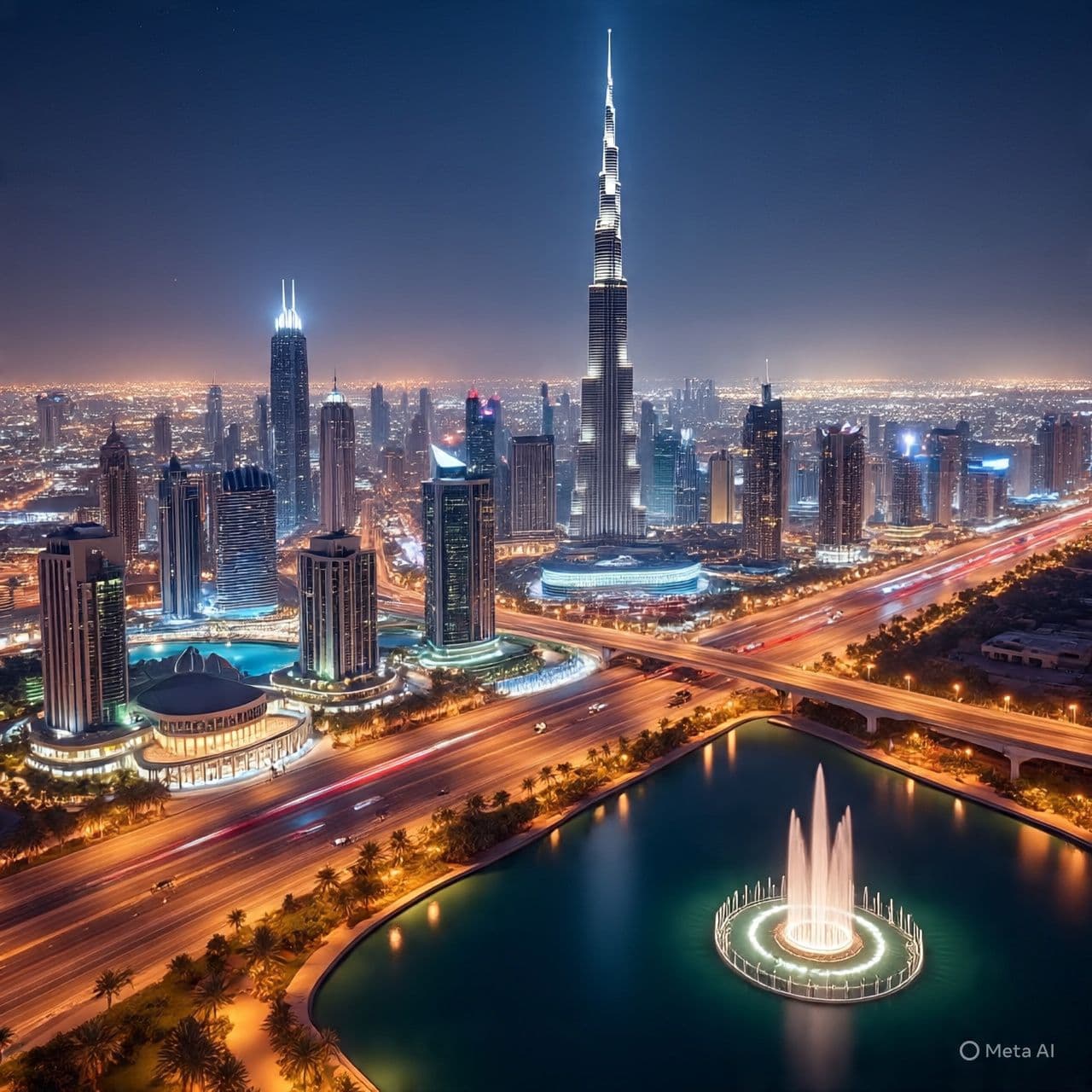
There has always been this soft glow around Dubai — a feeling that the desert has been persuaded, gently, to cooperate with ambition. But the newest ranking makes the idea official: Dubai is now the No.1 most attractive city for high-income individuals.
This is not a simple trophy. It is a measurement of global intent.
The wealthy are not tourists. They are portfolio movers, legacy planners, generational strategists. They select cities for tax logic, lifestyle friction, personal safety, and a sense of positioning within the global chessboard. And more than any other place, Dubai has built an environment where prosperity is not an apology, but a framework.
Zero income tax. Frictionless residency. Speed as a default value. A skyline that looks deliberately coded for future reliability. And a geopolitical posture that is simultaneously neutral, functional, and aggressively open for business.
In a time when Western cities are talking about regulating wealth, Dubai is busy building new runways.
But the question is not why Dubai rose.
The more interesting question is: where did the others fall?
London, New York, San Francisco — all of them are suffering from a sense of heaviness. The cost of operating a high-income lifestyle in these cities is rising faster than the utility of staying there. The friction is increasing. And mobile wealth, like any mobile organism, follows the path of least resistance.
Dubai offered an answer before others even phrased the question.
It didn’t try to copy Silicon Valley or Wall Street or Hong Kong. It built a new category: the global lifestyle capital for borderless capital.
And now, the wealthy have rewarded it with the currency that matters more than headlines — relocation.
Published by Banx Network. This article is part of the Banx decentralized media programme, powered by the BXE token on the XRP Ledger.