Key Highlights
- Dubai launches a pilot program for real estate tokenization on the XRP Ledger.
- The initiative aims to democratize property investment and simplify ownership processes.
- Over 3,000 investors have already engaged with the pilot program.
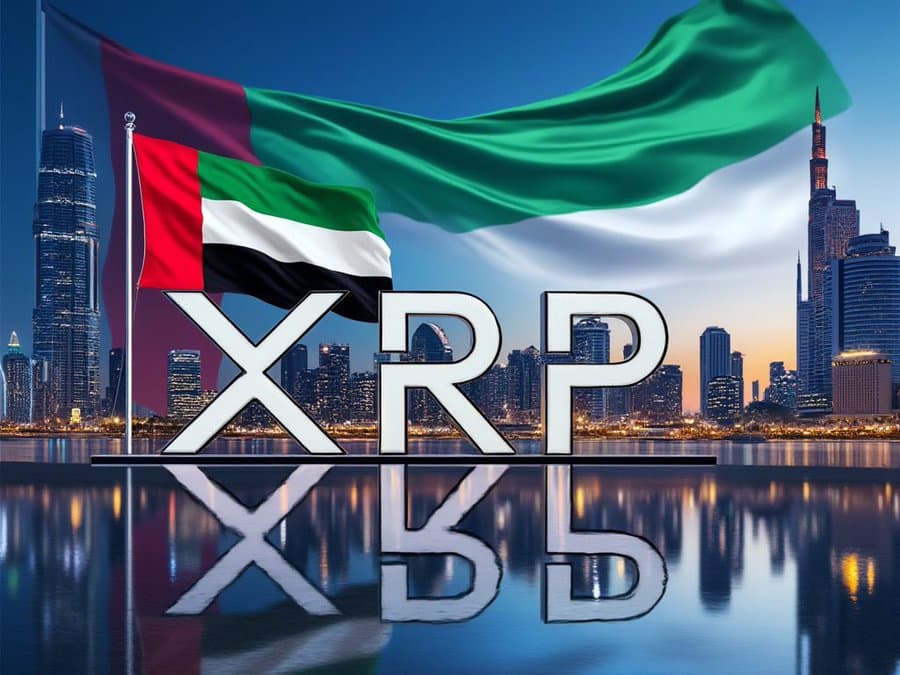
Dubai has taken a monumental leap into the future of real estate investment by launching a pilot program that tokenizes property on the XRP Ledger (XRPL). This government-backed initiative is not just theoretical — it is live, operational, and poised to change the global property market forever.
A New Era for Real Estate Ownership
For years, blockchain enthusiasts and industry experts have envisioned tokenization as the key to democratizing real estate investment, breaking down barriers traditionally associated with property ownership. Until now, these aspirations had not fully materialized in mainstream real estate markets — until Dubai led the charge. The Dubai Land Department (DLD), in partnership with blockchain firms Ctrl Alt and Prypco Mint, is pioneering this transformational approach by digitizing government-owned real estate assets through tokenized property title deeds recorded immutably on the XRP Ledger. This public blockchain platform offers the scalability, speed, and security required for government-level adoption.
What Makes XRP Ledger Ideal?
Dubai’s choice of the XRPL underscores its commitment to leveraging proven, efficient technology. The XRP Ledger is renowned for its high throughput — able to settle around 1,500 transactions per second — with transaction fees costing only fractions of a cent. Importantly, it is also considered one of the most environmentally sustainable blockchains due to its low energy consumption. This foundation’s robustness enables seamless fractional ownership, letting investors buy “tokens” representing shares of physical properties. These tokens facilitate co-ownership, trading, and transfer with transparency and legal clarity, a feat achieved by integrating Dubai’s real estate registry directly with the blockchain platform.
How This Benefits Investors and Home Buyers
Tokenization opens real estate investment to a broader audience by lowering entry costs and simplifying processes. Homebuyers and investors can now acquire fractional interests in premium Dubai properties, making it easier to diversify portfolios and invest in high-value assets with smaller capital commitments. The blockchain infrastructure also reduces bureaucratic hurdles, cutting down paperwork and speeding up ownership transfer. Dubai’s initiative goes further by allowing cryptocurrency payments, notably XRP, bridging traditional real estate with the digital asset economy in a regulated, compliant manner.
Regulatory Backing and Market Impact
This project is not an isolated experiment but part of a broader blockchain embrace within Dubai’s regulatory framework. The Virtual Assets Regulatory Authority (VARA) oversees crypto activities, ensuring compliance, while the Dubai Land Department validates on-chain property ownership. Dubai’s blockchain strategy aims to digitize 50% of government transactions by 2025, and real estate tokenization is a flagship project in this vision. Analysts estimate that by 2033, the UAE’s tokenized property market could reach $16 billion in value, illustrating the scale and ambition of this initiative.
Global Implications
Dubai’s pioneering move places it among the first global cities to implement licensed, government-backed real estate tokenization at scale. This development signals a shift toward more transparent, accessible, and liquid property markets worldwide. The pilot has already attracted over 3,000 investors and is setting new standards for how governments can securely digitize and democratize real estate markets using blockchain technology.
Published by Banx Network. This article is part of the Banx decentralized media programme, powered by the BXE token on the XRP Ledger.